 ← All animals
 bird · Prosthemadera novaeseelandiae
Tūī
Gallery
7 photos Real photograph 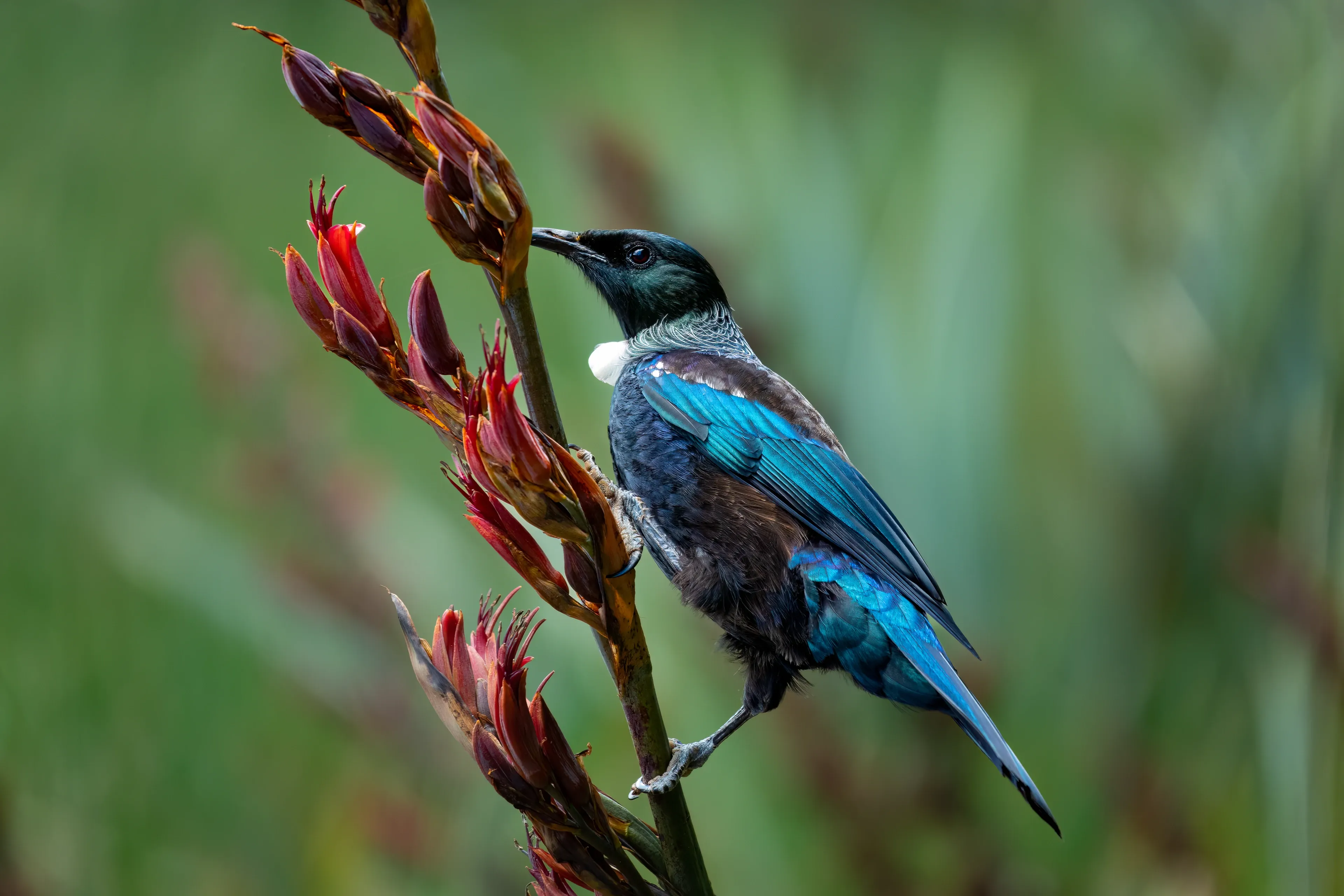 Real photograph
  Real photograph
  Real photograph
  Real photograph
  Real photograph
  Real photograph
 Why we love them
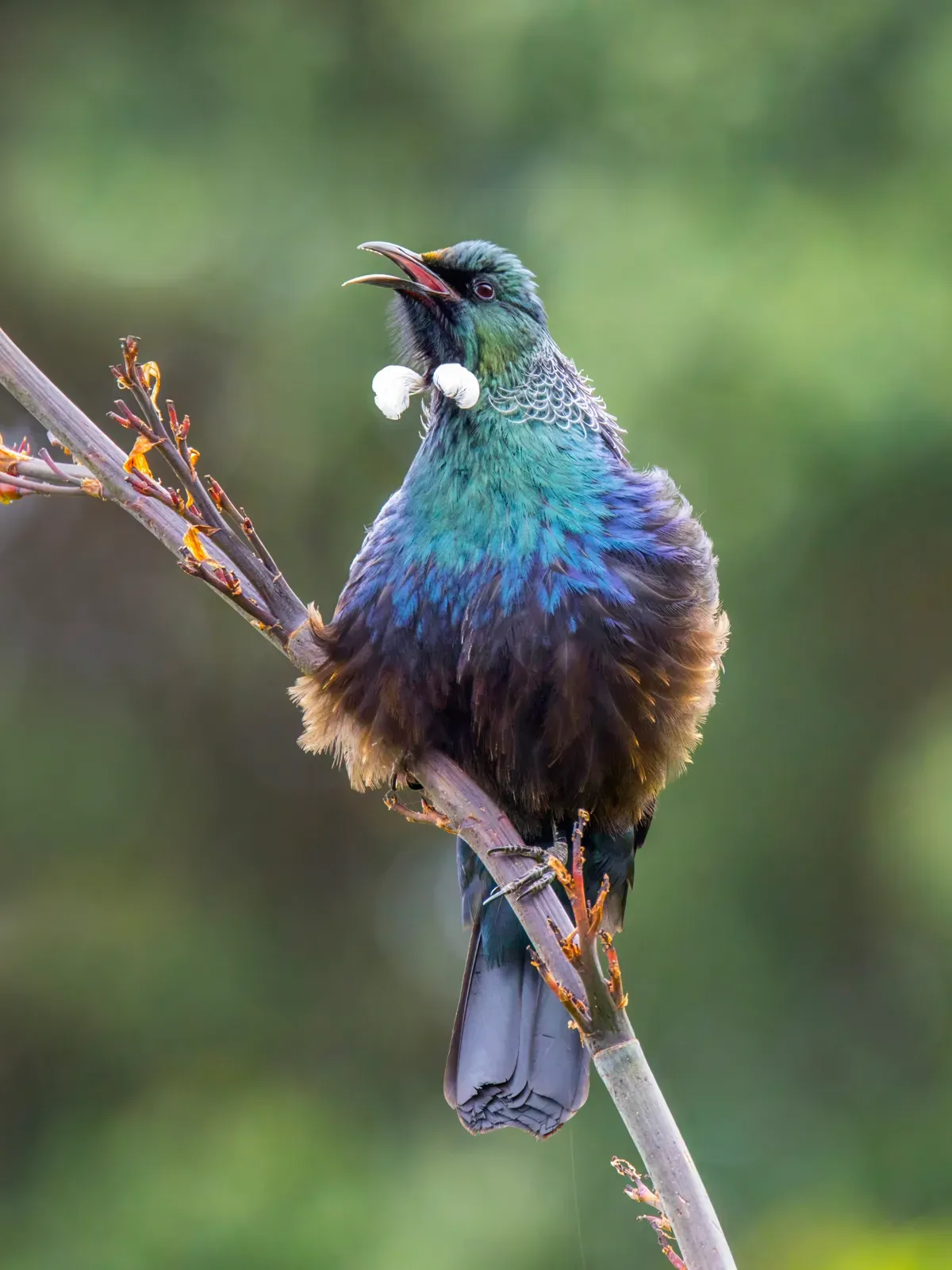
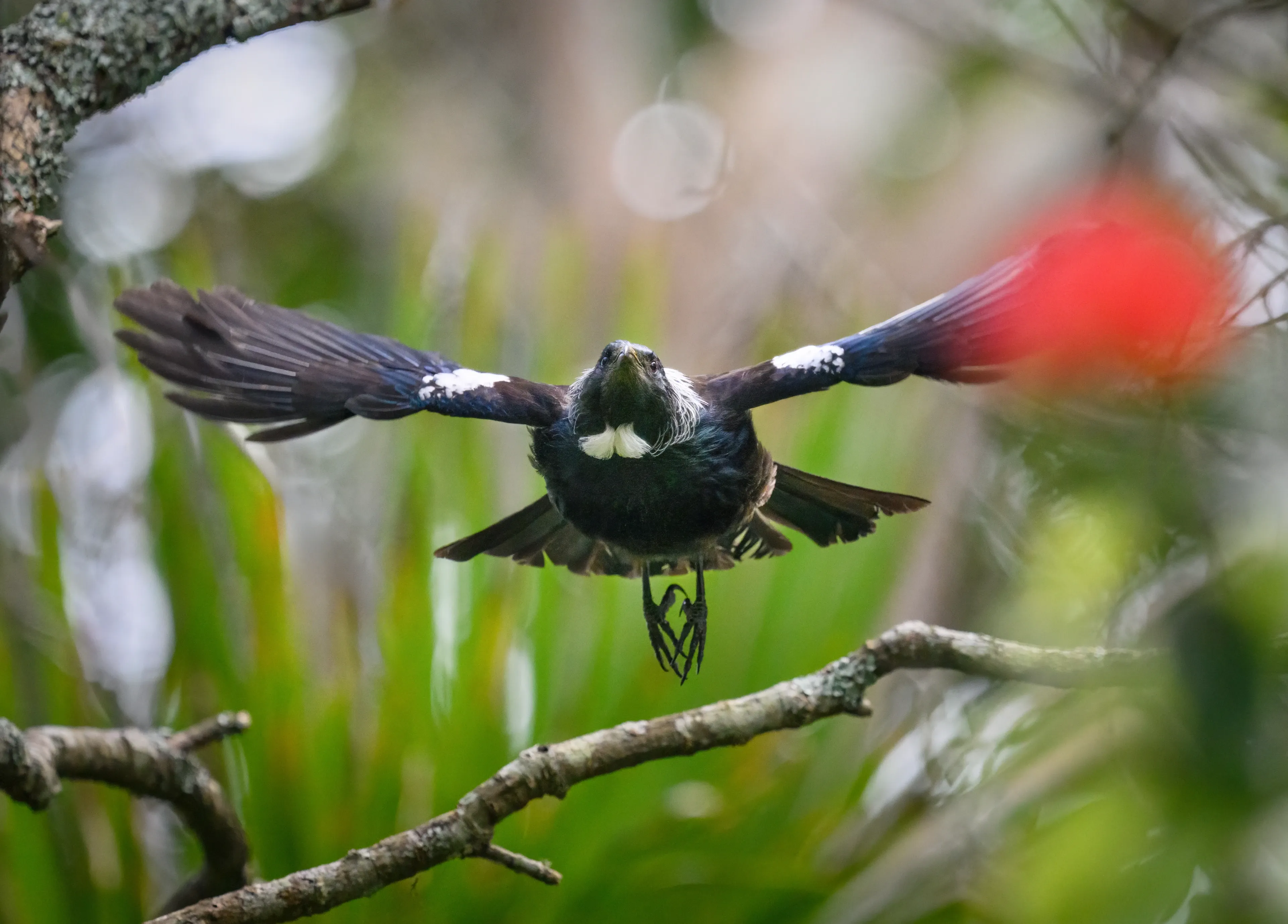
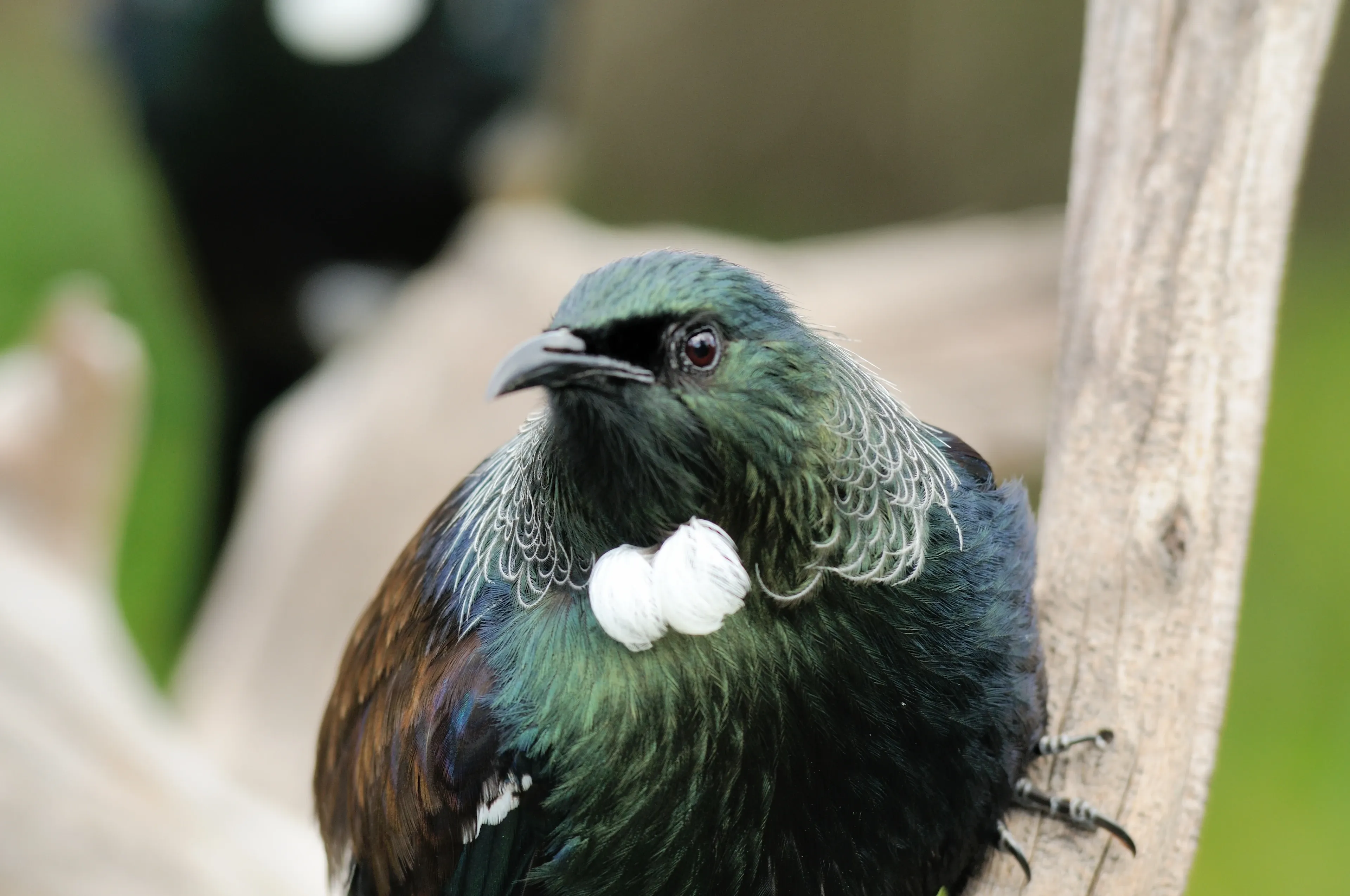
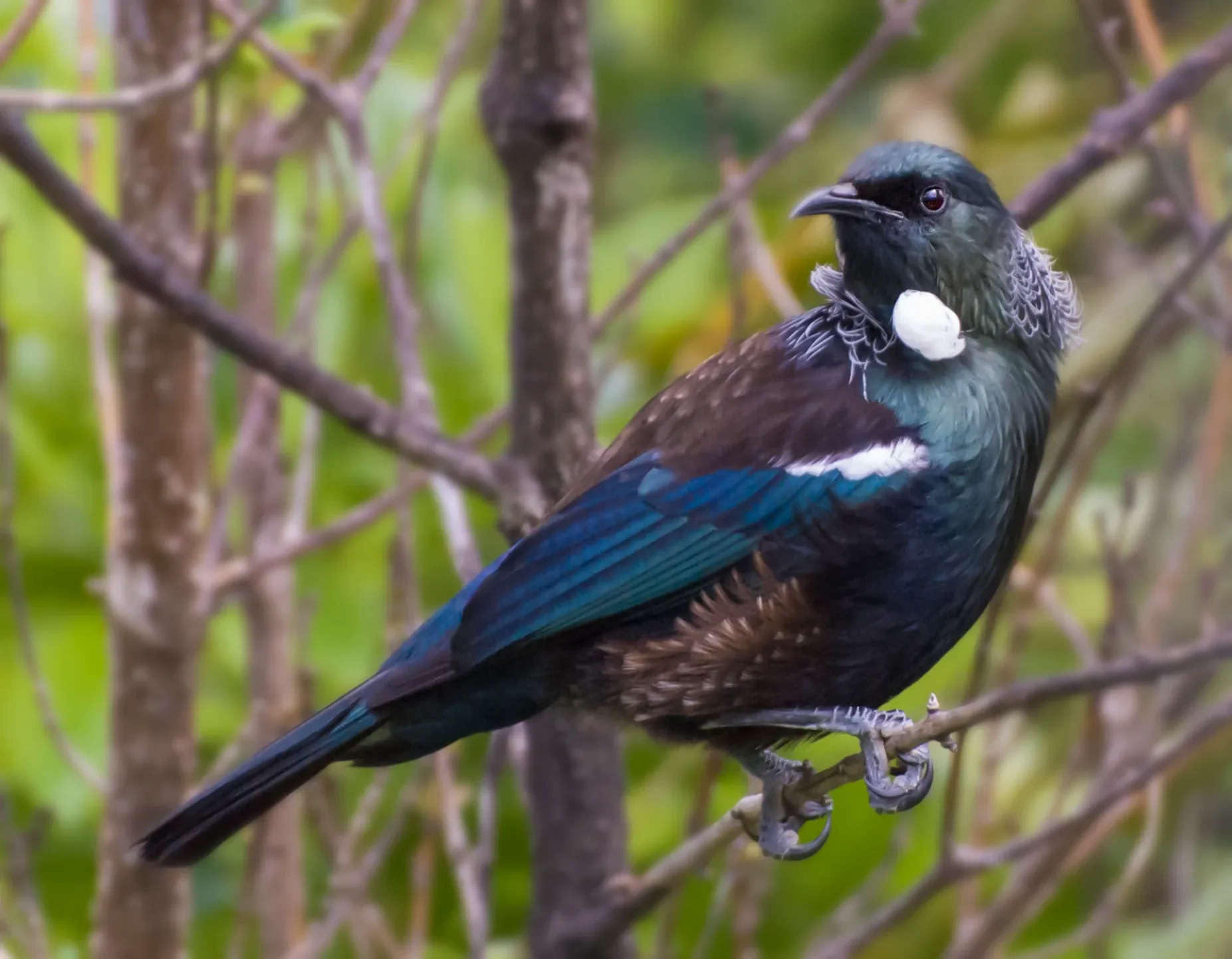
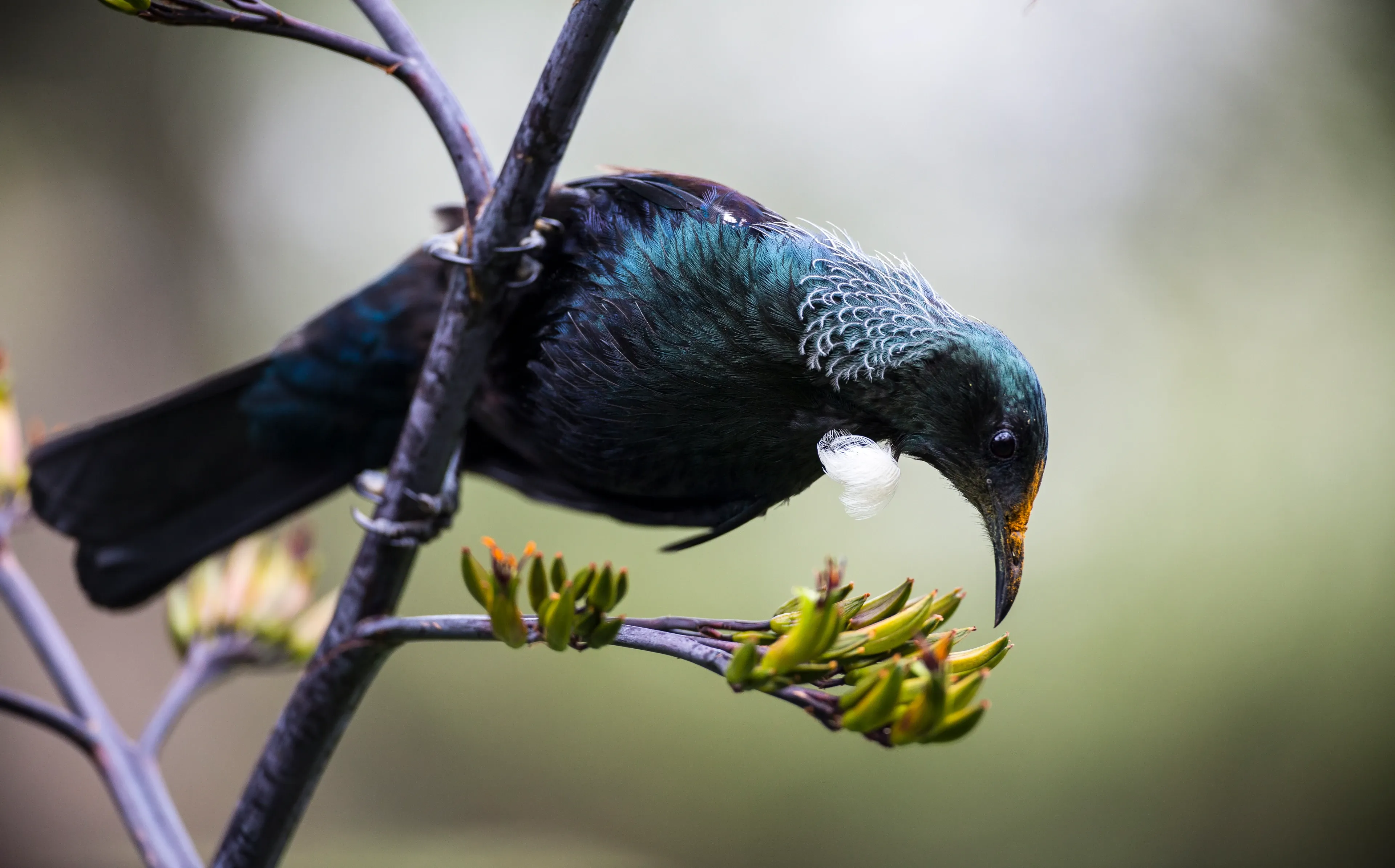
The tūī is a beautiful songbird found only in Aotearoa New Zealand. From a distance it can look plain and dark, but in the sunshine its feathers shimmer with green, blue and bronze. Its most famous feature is the little curly tuft of white feathers at its throat, which bobs about as the bird sings and looks a bit like a tiny bow tie.
Tūī belong to a group of birds called honeyeaters, and their favourite food is nectar, the sweet juice deep inside flowers. They twist and dangle to reach into blossoms of native plants such as flax and kōwhai, and while they sip they carry pollen from flower to flower. This makes the tūī a very important pollinator, helping Aotearoa New Zealand's plants make new seeds. They also enjoy fruit and insects.
One of the most delightful things about tūī is how they sing. They are wonderful mimics who can copy the calls of other birds like the bellbird, and they will even imitate everyday sounds such as phone ringtones. Long ago, Māori sometimes trained tūī to repeat spoken words, just like a clever talking pet.
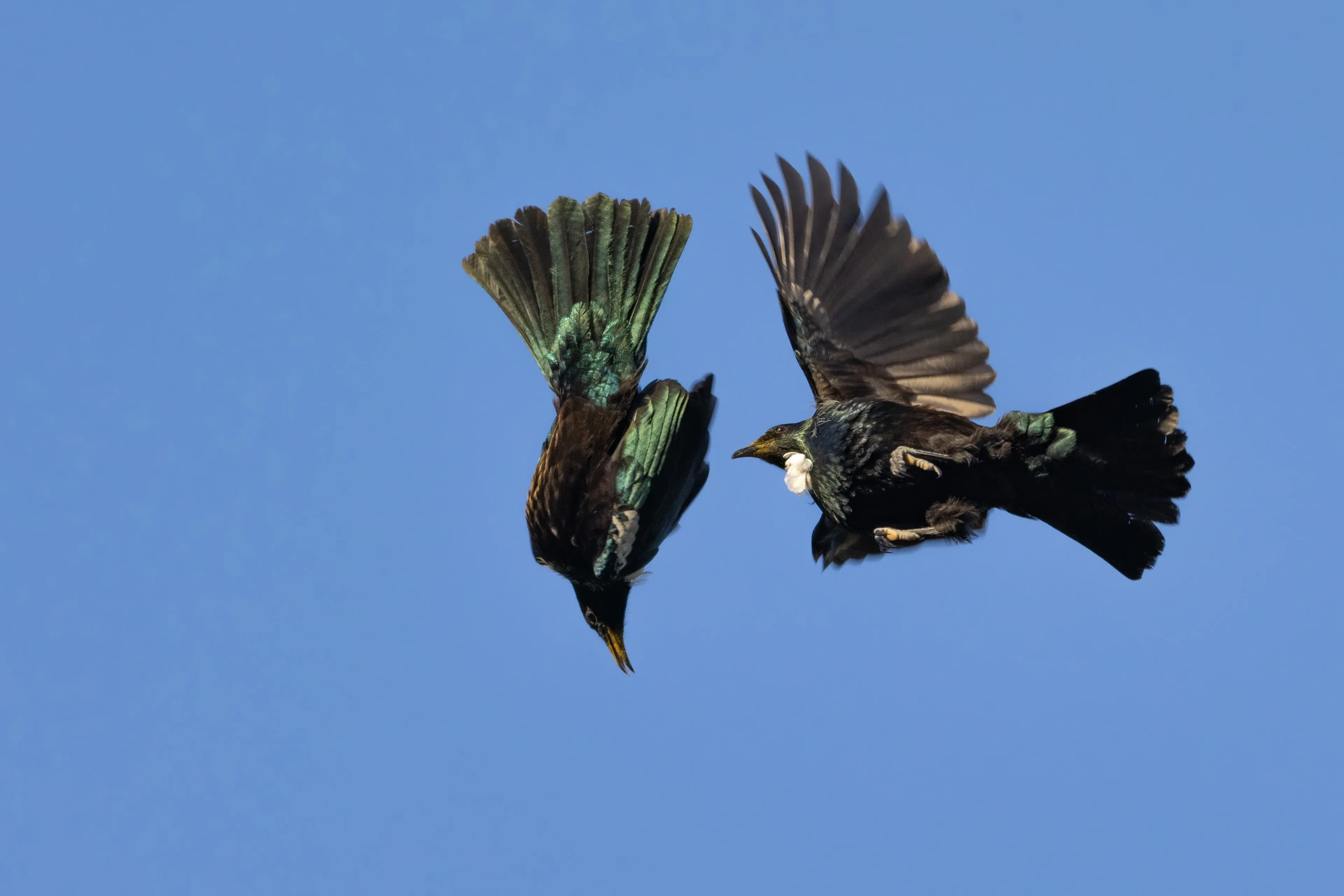
Here is a funny fact: the nectar inside flax flowers can sometimes ferment. When a tūī drinks a lot of it, the bird may fly about in a wobbly, tipsy-looking way before shaking it off. It is one of the many things that make watching tūī such a joy.
Happily, the tūī is not threatened, and it can be found across the North, South and Stewart Islands. Where people look after native forest and keep introduced predators under control, tūī can become common again, filling the trees with their bubbling, clicking, musical song.
My home
Broadleaf forest, native forest, gardens
Where I live
Oceania
What I eat
Nectar, fruit, insects, pollen, seeds
How heavy I am
0.058–0.15 kg
The tūī has a curly tuft of white throat feathers and belongs to the honeyeater family, feeding mainly on nectar; it is an important pollinator of native plants like flax and kōwhai.
Tūī are wonderful mimics — they can copy other birds such as the bellbird and even sounds like phone ringtones, and long ago Māori trained them to repeat words.
The nectar of flax flowers can sometimes ferment, and a tūī that drinks it may fly in a wobbly, tipsy-looking way.
Every tūī can feel happy, scared and loved — just like you.
Looking after my friends
How many are there?
A tūī nest usually contains about 2–4 eggs.
This is one clutch, not a population estimate.
Estimate source: Tūī | Tui
How are they doing?
Lower extinction riskThis species has a lower global extinction risk right now. Local populations can still grow or shrink.
You can help by learning their names, keeping wild places clean, and telling someone why this animal matters.
Where this came from
- Prosthemadera novaeseelandiae (Tui) — Red List Assessment — IUCN Red List of Threatened Species / BirdLife International (Red List Authority for birds)
- Tui — New Zealand native land birds — New Zealand Department of Conservation (Te Papa Atawhai)
- Tūī — Wikipedia
- Tūī | Tui — New Zealand Birds Online