 ← All animals
 mammal · Vulpes vulpes
Red fox
Gallery
7 photos Real photograph 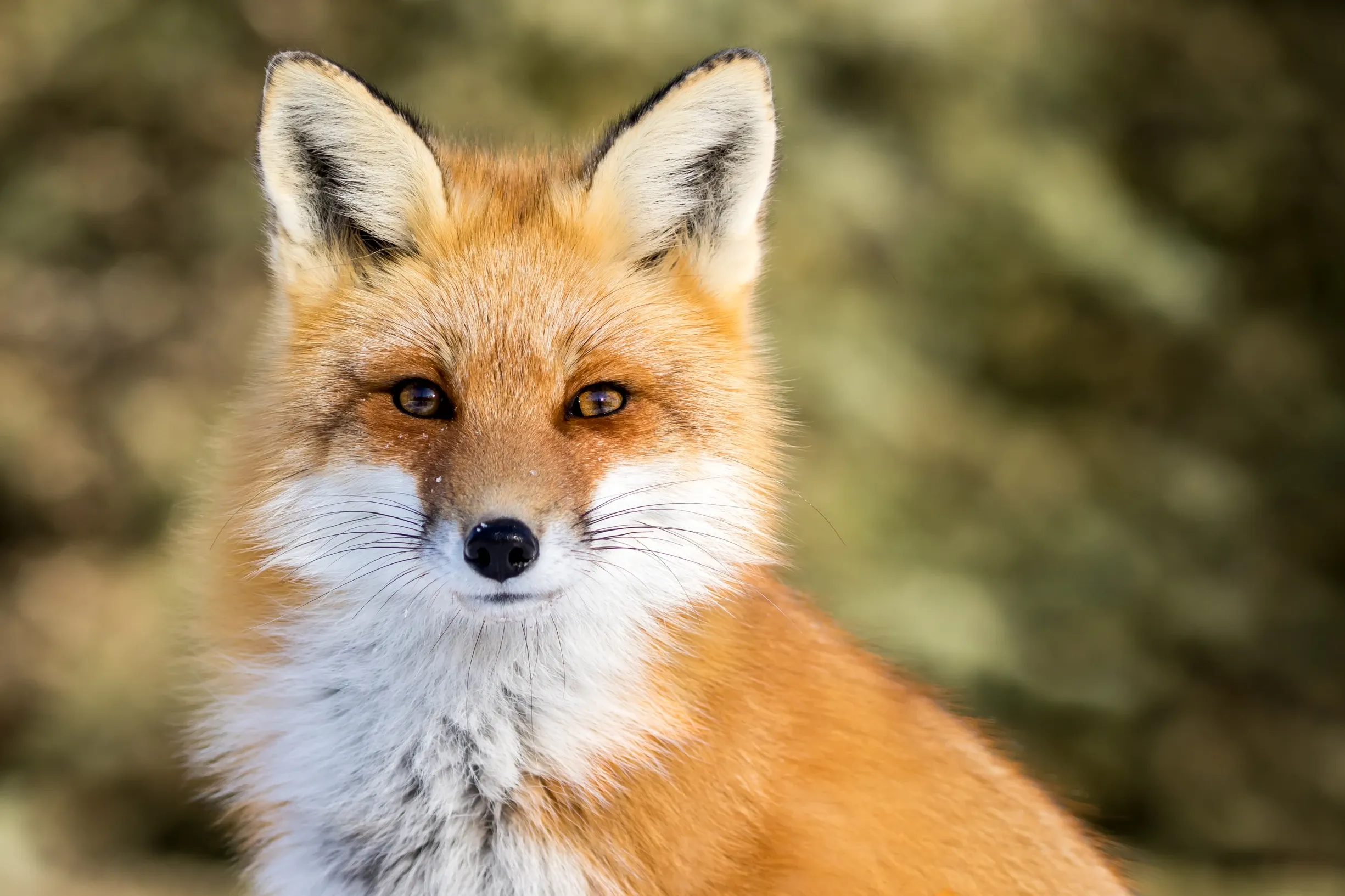 Real photograph
  Real photograph
  Real photograph
  Real photograph
  Real photograph
  Real photograph
 Why we love them
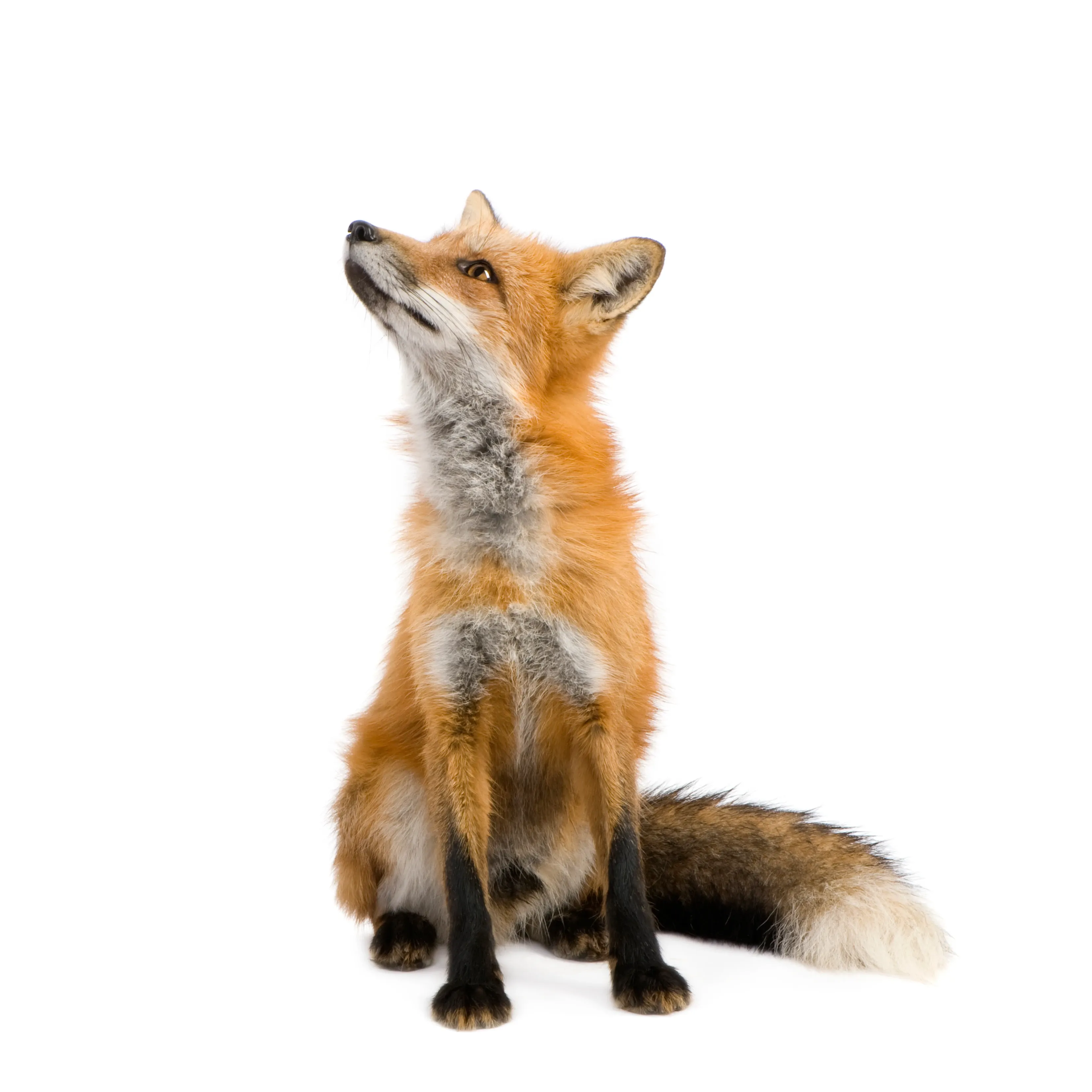
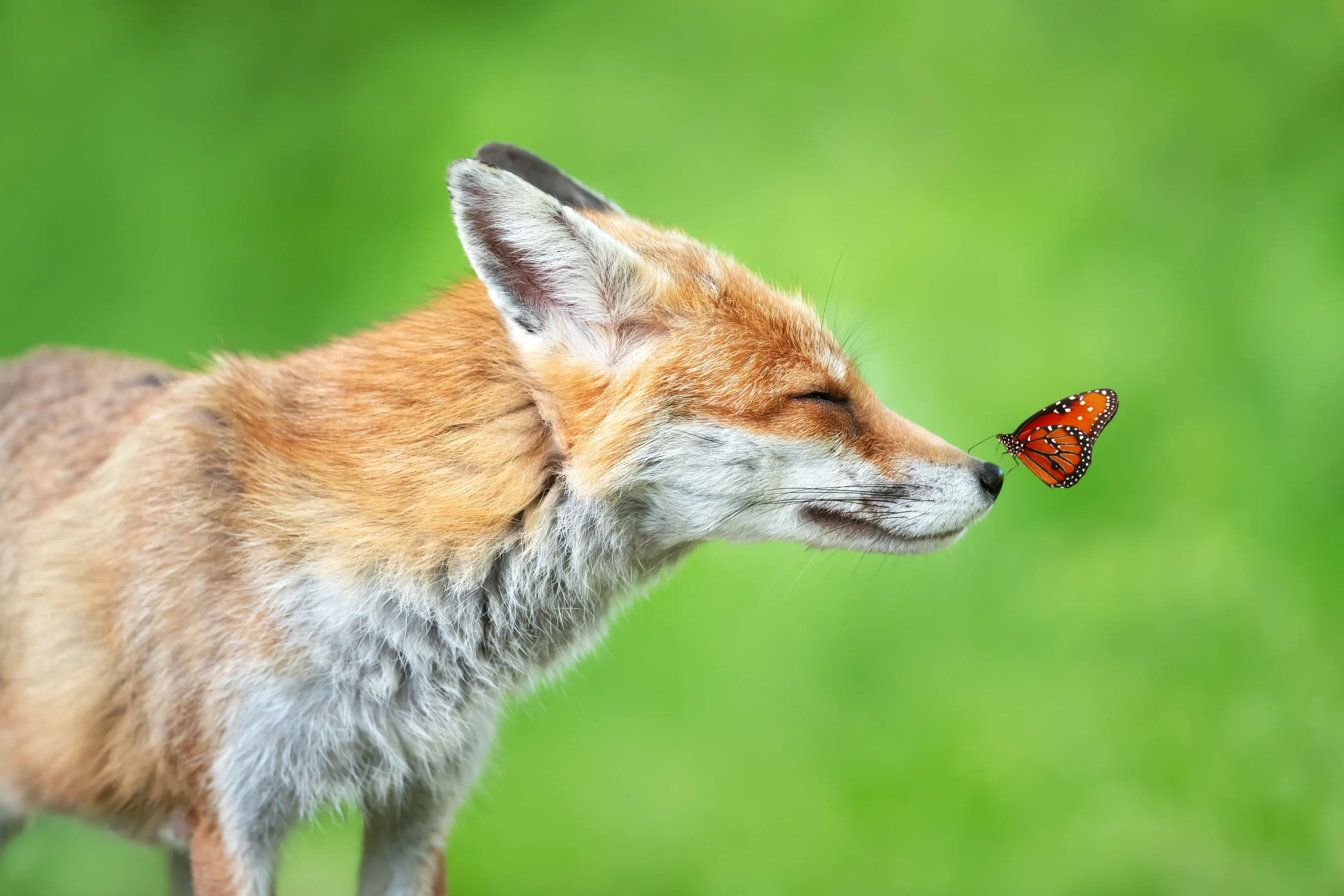
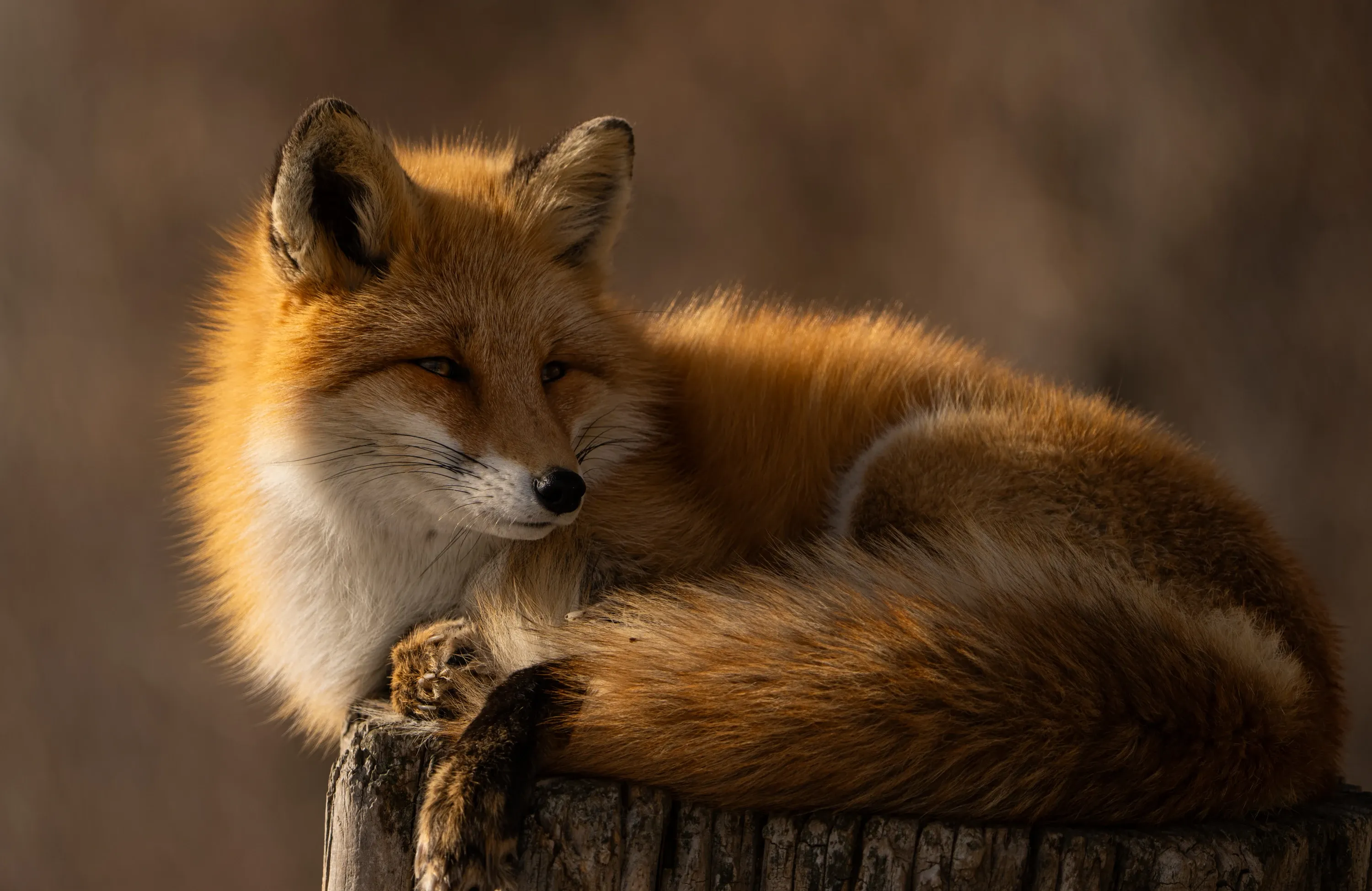
The red fox is a clever little animal with a pointy nose, tall ears, and a long, bushy tail. Its fur is a warm reddish-orange, with white on its tummy and dark fur on its legs. That fluffy tail has a special name: it is called a brush.
Red foxes live in more places than almost any other wild animal. They are found across forests, fields, and mountains, and many foxes even make their homes in towns and cities. They belong to the same family as pet dogs and wolves.
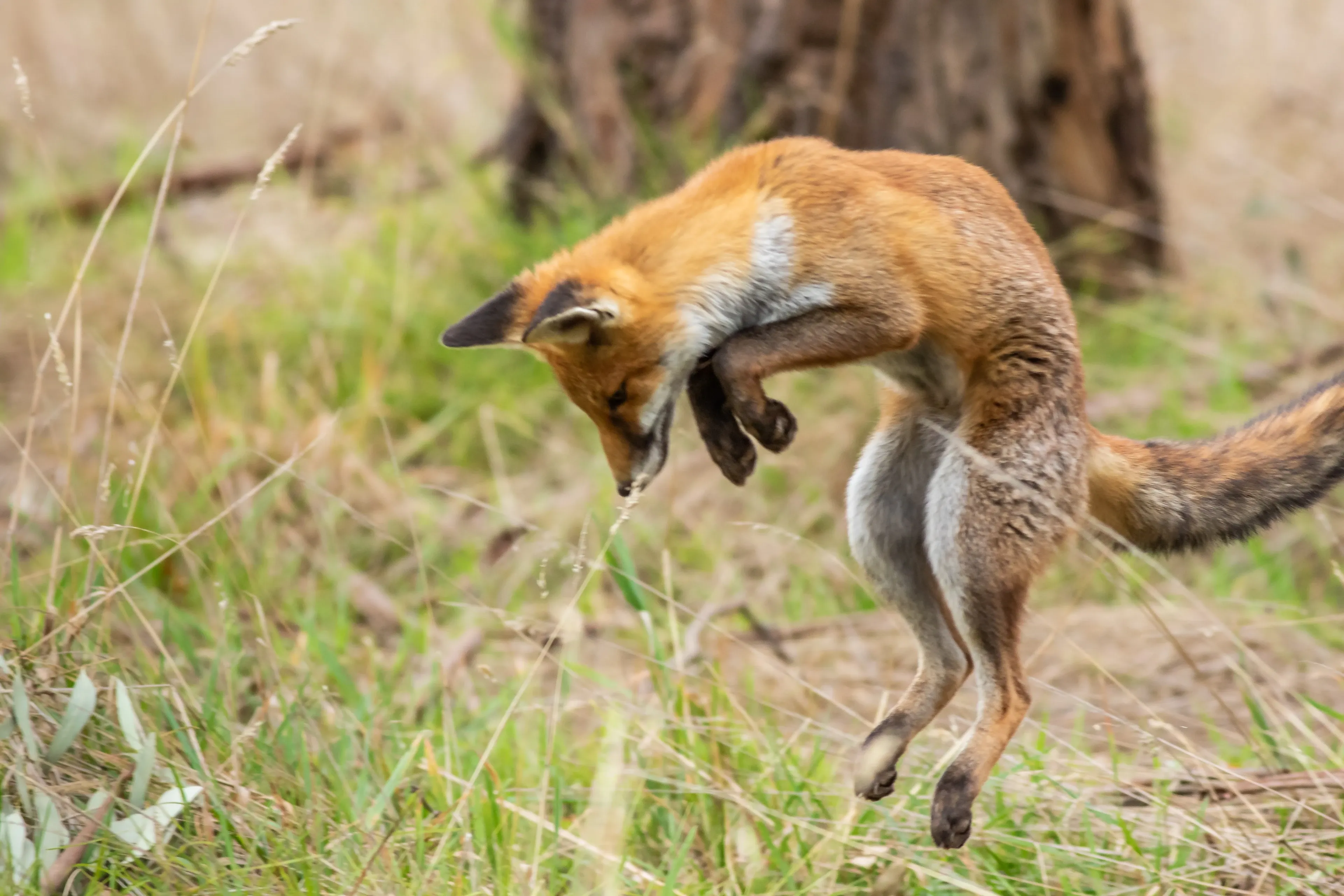
A fox will eat almost anything it can find. It hunts small animals like mice and rabbits, snaps up beetles and worms, and nibbles berries and fruit. When there is plenty of food about, a fox may tuck some away to eat later.
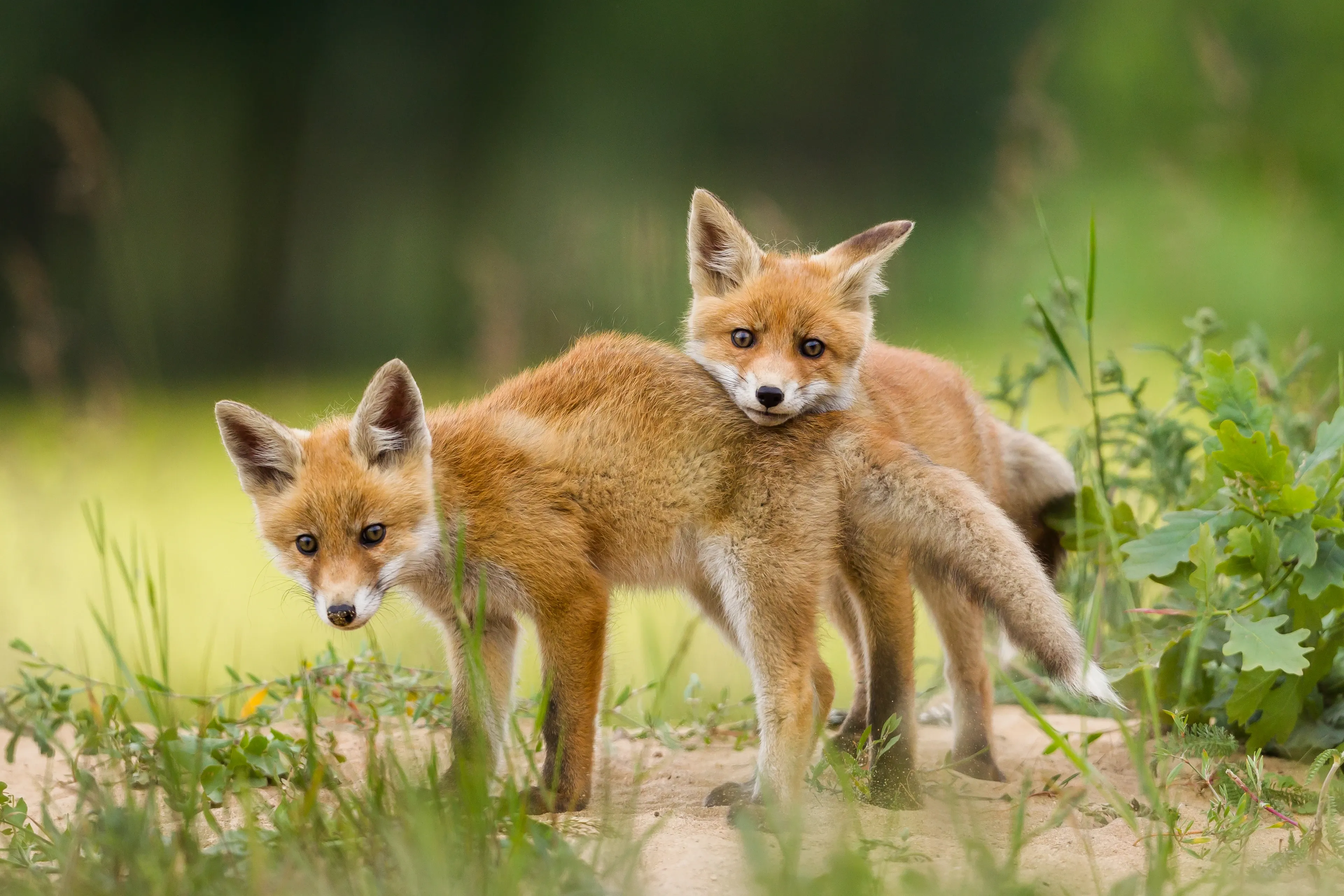
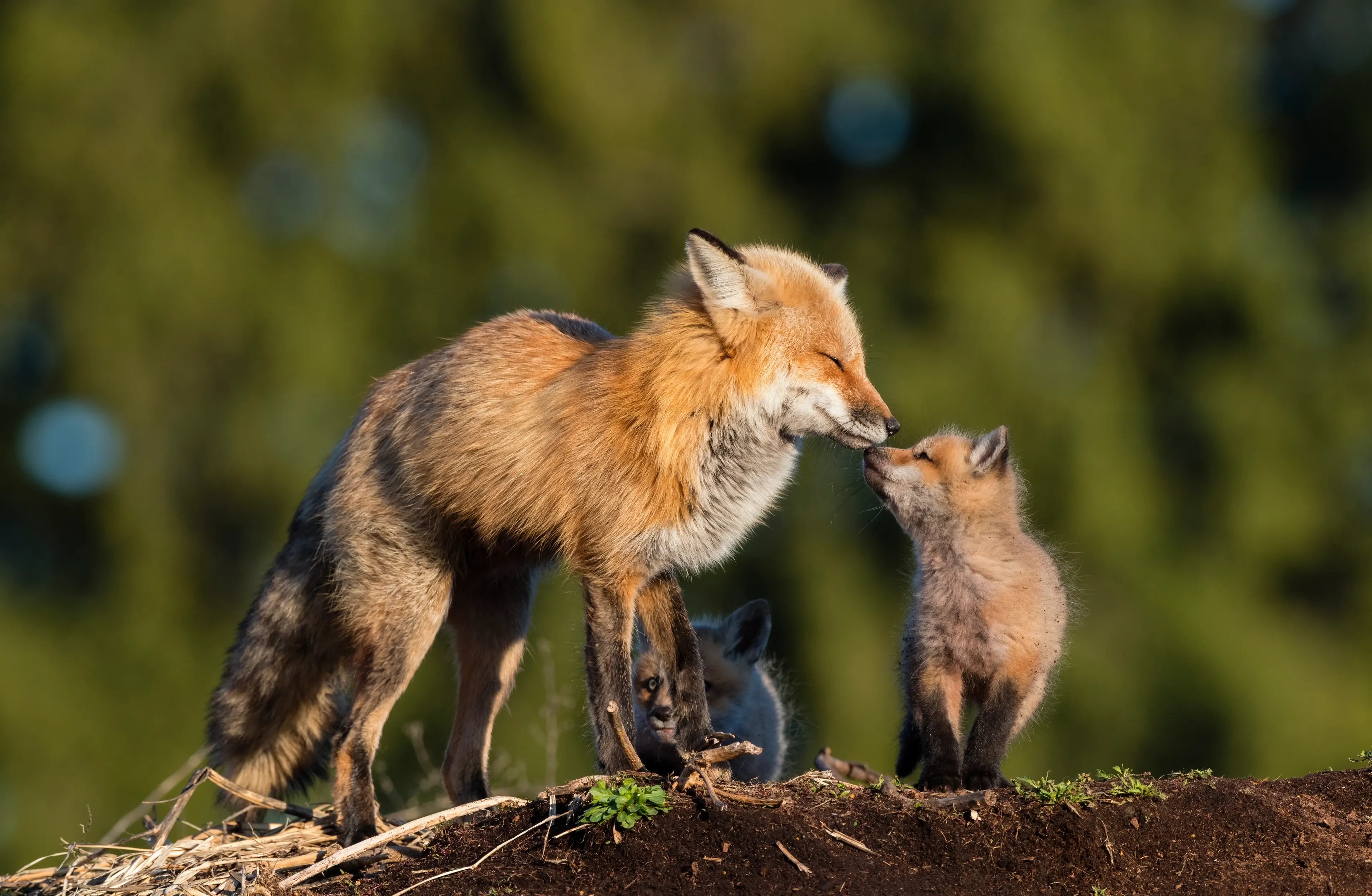
Foxes do most of their hunting at dusk and at dawn, when the light is soft and grey. During the day they usually curl up and rest in a cosy den. Baby foxes are called kits, and they are born in the den and looked after by their parents.
There are lots of red foxes in the world, and they are very good at making a home wherever they go. Some even trot quietly through city streets at night, looking for a snack before the sun comes up.
My home
Forest, grassland, farmland, urban
Where I live
Africa, Asia, Europe, North America, Oceania
What I eat
Mice, rabbits, birds, insects, fruit
How long I am
0.45–0.9 m
How heavy I am
2.2–14 kg
How long I live
3–12 years
The red fox lives in more places than any other member of the dog family, from cold forests to busy city streets.
A fox will eat almost anything it can find, from mice and rabbits to beetles and juicy berries.
Foxes do most of their hunting at dusk and dawn, and they rest in a cosy den during the day.
Every red fox can feel happy, scared and loved — just like you.
Looking after my friends
How many are there?
In some Australian cities, red-fox density reaches about 16 foxes per square kilometre.
This is a high local urban density, not a global population count.
Estimate source: Vulpes vulpes (Red Fox) — Red List Assessment
How are they doing?
Lower extinction riskThis species has a lower global extinction risk right now. Local populations can still grow or shrink.
You can help by learning their names, keeping wild places clean, and telling someone why this animal matters.
Where this came from
- Vulpes vulpes (Red Fox) — Red List Assessment — IUCN Red List of Threatened Species
- Vulpes vulpes (red fox) — Animal Diversity Web, University of Michigan Museum of Zoology