Today's animal friend · 22 July 2026
Red Fox: The Twilight Neighbour with a Bushy Brush
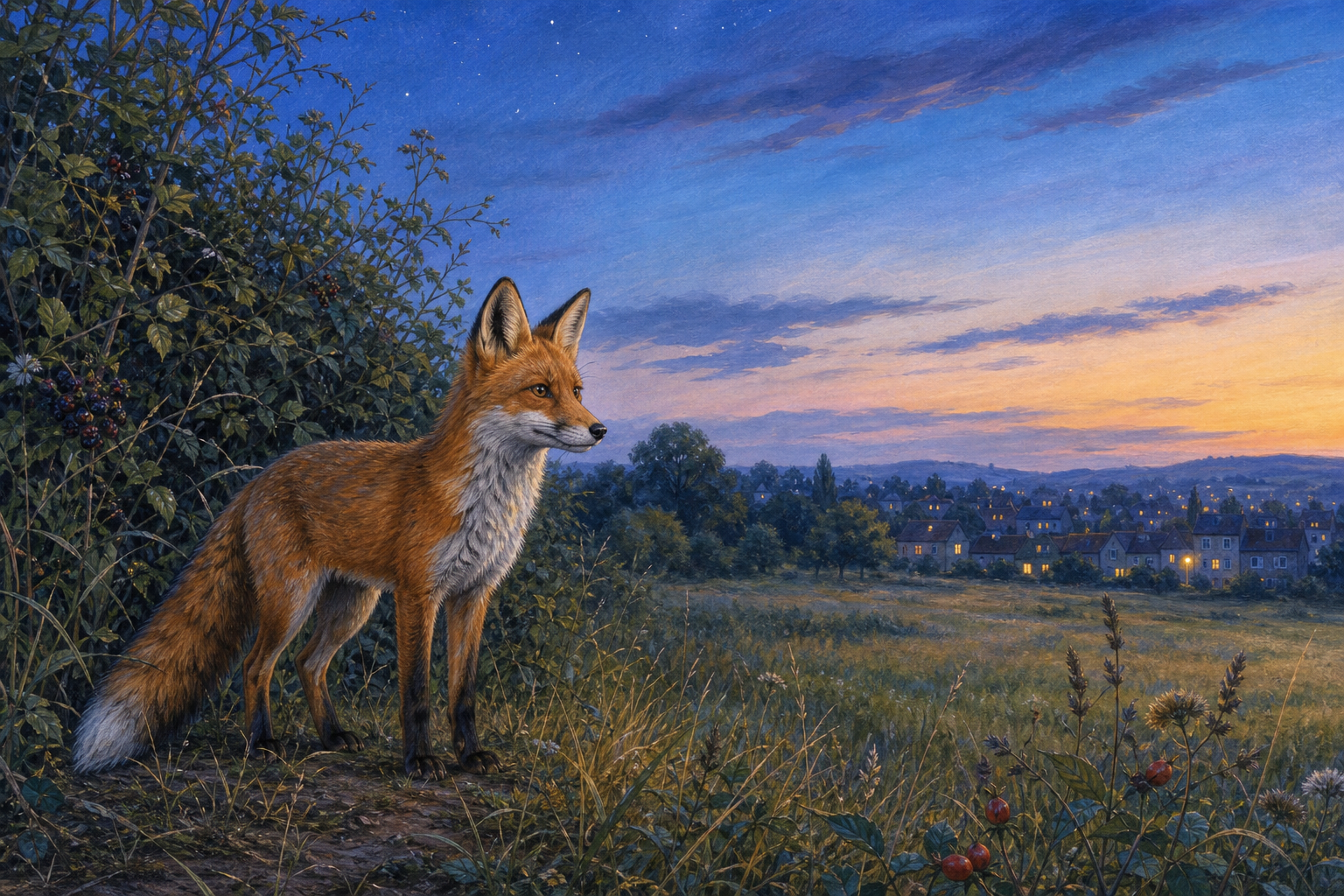
At dusk, when the day softens into blue-grey light, a red fox may be beginning its busy shift. This animal friend is a hunter, a forager, a parent, and—in many places—a quiet neighbour.
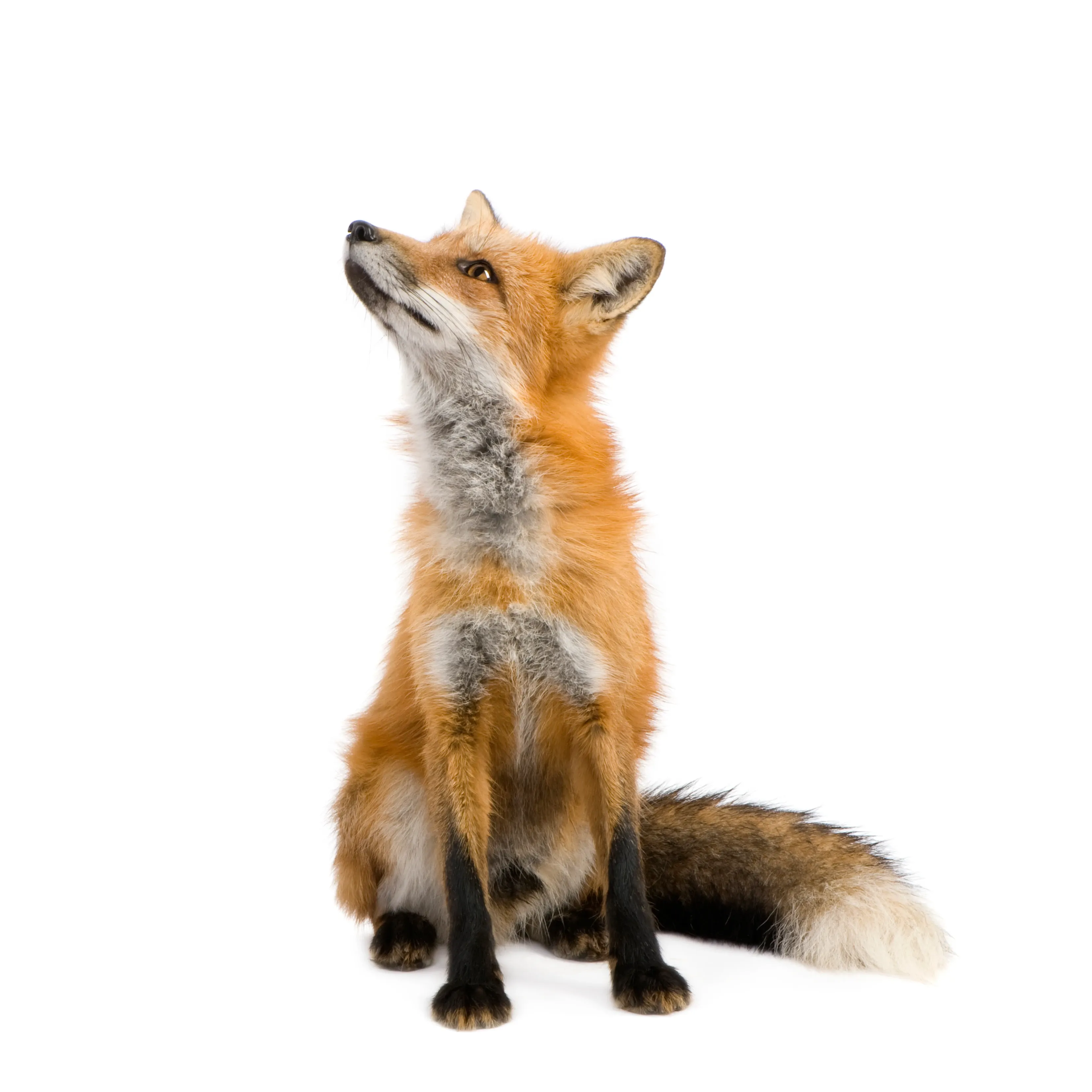
At dusk, when the day softens into blue-grey light, a red fox may be beginning its busy shift. This animal friend is a hunter, a forager, a parent, and—in many places—a quiet neighbour.
A red fox is a wild canid built for many kinds of home
The red fox, whose scientific name is Vulpes vulpes, belongs to the dog family, Canidae. That makes it a distant wild relative of dogs, wolves, and other foxes. A fox’s pointed face, upright ears, and long tail give it a look that many people recognise at once—but a sighting is still a special moment. A red fox is not a pet dog in a russet coat. It is a wild animal with its own careful routines, senses, choices, and need for space.
Red foxes live across an extraordinary range of places. They can be found in forests, grasslands, farmland, and urban areas, and their distribution includes parts of Africa, Asia, Europe, North America, and Oceania. Their native range stretches across much of the Northern Hemisphere; they have also been introduced to Australia and some other locations beyond it. A field margin, a patch of scrub, a woodland edge, or a quieter corner of a city can all offer food and cover.
This flexibility helps explain why the red fox is often described as the most widely distributed wild member of the order Carnivora. It does not mean that every fox lives the same life. The food, shelter, weather, and dangers around a fox can differ greatly from one neighbourhood to the next. A fox in a rural landscape and a fox moving through a city after dark may share a species name, yet each is responding to a very particular place.
Evidence: IUCN Red List of Threatened Species: Vulpes vulpes (Red Fox) — Red List Assessment; Animal Diversity Web, University of Michigan Museum of Zoology: Vulpes vulpes (red fox)
Its famous tail is called a brush—and it is only part of the picture
A red fox has a body length of roughly 45 to 90 centimetres and stands about 35 to 50 centimetres at the shoulder. Adults range widely in weight, from about 2.2 to 14 kilograms. Those broad ranges are a useful reminder that wild animals are individuals: age, sex, location, and available food all matter.
The long, bushy tail is traditionally called a brush. Along with the tall ears and alert muzzle, it creates the fox silhouette that has wandered through folktales, paintings, and neighbourhood stories for generations. Still, real foxes deserve attention beyond their storybook outlines. They spend their time finding food, avoiding trouble, resting, raising young, and navigating their surroundings.
Most red foxes are active around twilight and at night. In the gentler light of dawn or dusk, a fox may be out searching, listening, or travelling between sheltered spots. During the day it may rest in an earthen den or another protected place. Seeing one quietly cross a path at night can feel almost magical; the kindest response is usually the simplest one: watch from a distance, keep voices low, and let the fox continue on its way.
Evidence: Animal Diversity Web, University of Michigan Museum of Zoology: Vulpes vulpes (red fox); IUCN Red List of Threatened Species: Vulpes vulpes (Red Fox) — Red List Assessment
A fox’s menu changes with the season and the setting
Red foxes are omnivores. Their food can include mice, rabbits, birds, insects, and fruit, and they may also eat carrion. Rather than relying on just one meal, a fox takes opportunities that its habitat provides. In one season, small mammals may be important; in another, insects or fruit may be easier to find. This adaptable approach is one reason foxes can live in such different landscapes.
When food is plentiful, foxes may cache, or tuck away, extra food for later. It is a practical habit for an animal whose next meal is never guaranteed. The fox is not being greedy or mischievous; it is meeting the everyday challenge of living wild.
Foxes can also affect the places where they live. By eating small prey, they can help limit populations of animals such as rodents and rabbits. When they eat fruit, they may help move seeds from place to place. Yet context matters. In regions where red foxes have been introduced, including Australia, they can harm native wildlife. Being an animal friend means caring about individual foxes while also caring about the native animals and ecosystems that need protection. Thoughtful, local wildlife management has to make room for both kinds of concern.
Evidence: Animal Diversity Web, University of Michigan Museum of Zoology: Vulpes vulpes (red fox); IUCN Red List of Threatened Species: Vulpes vulpes (Red Fox) — Red List Assessment
Behind the solitary silhouette, foxes have family lives
A red fox can look like a lone traveller, and outside family life it is mostly solitary. But foxes are not simply alone. They are often connected through family groups that may include an adult male, one or two adult females, and their young. Young foxes, called kits, are born in a den. In some groups, non-breeding adults may help with the care of the young.
A den is more than a hole in the ground. It can be a sheltering centre for a family at a vulnerable time. Foxes may reuse dens, and the details of family life vary. Nature rarely follows one neat script: fox breeding systems can include pair bonds, more than one female, and cooperative care.
For people, this is a lovely reason to avoid disturbing a possible den site. Keep dogs under control, give wildlife room, and do not try to handle, feed, or “rescue” a young fox simply because it is seen alone. A kit may not be abandoned; its family may be nearby or returning later. If an animal seems injured or in immediate danger, an adult can contact a local licensed wildlife rehabilitator or relevant wildlife authority for advice.
Evidence: Animal Diversity Web, University of Michigan Museum of Zoology: Vulpes vulpes (red fox); IUCN Red List of Threatened Species: Vulpes vulpes (Red Fox) — Red List Assessment
Globally secure does not mean every local story is easy
The red fox is listed by the IUCN as Least Concern globally, with a stable overall population trend. Its very wide range and ability to use many human-shaped landscapes contribute to that global picture. This is encouraging news: red foxes remain a familiar wild presence across large parts of the world.
But a global category is not a promise that every fox community is safe or thriving. In some places, foxes face hunting, persecution, conflict with people, or disease outbreaks such as mange. Where foxes are introduced and threaten native wildlife, they may be managed to protect vulnerable local species. The same animal can be a cherished native neighbour in one place and a difficult conservation challenge in another.
The hopeful lesson is not that wild animals must fit into a single human story. It is that good decisions pay attention. Learning whether foxes are native where you live, respecting local guidance, protecting habitat, and leaving wildlife undisturbed are all ways to turn curiosity into care.
Evidence: IUCN Red List of Threatened Species: Vulpes vulpes (Red Fox) — Red List Assessment; Animal Diversity Web, University of Michigan Museum of Zoology: Vulpes vulpes (red fox)
Try a twilight watch—without turning wildlife into a show
If you would like to look for signs of red foxes, begin with respect rather than expectation. Walk with a trusted adult near dusk, stay on permitted paths, and notice the edges of places: hedges beside fields, quiet park boundaries, woodland margins, or calm streets near green spaces. You might see nothing at all—and that is fine. Wildlife does not exist to perform for us.
Listen for the change in the evening rather than trying to get close. Notice tracks only from a distance, or keep a nature notebook of where and when you observed a fox-shaped silhouette. Never leave food out to attract one. Feeding wildlife can alter its behaviour and create problems for animals and people alike.
The best fox encounter may be a brief one: a brush disappearing into grass, ears catching the last light, then quiet again. Let that moment belong to the fox. Wonder works especially well when it comes with boundaries.
Evidence: Animal Diversity Web, University of Michigan Museum of Zoology: Vulpes vulpes (red fox); IUCN Red List of Threatened Species: Vulpes vulpes (Red Fox) — Red List Assessment
One small choice can widen our circle of care
A red fox’s life is a reminder that animals are not background scenery. Each one is trying to find food, shelter, safety, and a place for family life. We can practise that same wide-hearted attention in our own choices: wasting less, enjoying wildlife without disturbing it, and making room for animals in the landscapes we share.
Meals can be part of this kindness, too. The World Health Organization describes healthy dietary patterns as including foods such as vegetables, fruit, whole grains, pulses, nuts, and seeds. With a trusted adult and, when needed, a qualified health professional, families can explore delicious plant-forward or vegan meals that suit them—perhaps a bean chilli, lentil pasta sauce, veggie wraps, or fruit and oat snacks.
Choosing more plant foods can be a gentle way to care beyond our own plate. The IPCC reports that shifts toward sustainable, healthy, more plant-based diets can reduce food-system emissions and pressure on land and biodiversity. No one needs to be perfect to be kind. A curious new recipe, shared with people you love, can be a bright small step for animals and the living world.
Evidence: World Health Organization: Healthy diet; Intergovernmental Panel on Climate Change: Climate Change 2022: Mitigation of Climate Change — Chapter 7
Questions people ask
Are red foxes dogs?
Red foxes are not dogs, but they belong to the same family, Canidae. Their scientific name is Vulpes vulpes, and they are part of the fox genus Vulpes.
Evidence: Animal Diversity Web, University of Michigan Museum of Zoology: Vulpes vulpes (red fox); IUCN Red List of Threatened Species: Vulpes vulpes (Red Fox) — Red List Assessment
When are red foxes most likely to be active?
They are mostly nocturnal or crepuscular, meaning they are especially active at night and around dawn or dusk.
Evidence: Animal Diversity Web, University of Michigan Museum of Zoology: Vulpes vulpes (red fox); IUCN Red List of Threatened Species: Vulpes vulpes (Red Fox) — Red List Assessment
What do red foxes eat?
They are omnivores. Their diet can include mice, rabbits, birds, insects, fruit, and carrion, with the exact menu changing by season and place.
Evidence: Animal Diversity Web, University of Michigan Museum of Zoology: Vulpes vulpes (red fox); IUCN Red List of Threatened Species: Vulpes vulpes (Red Fox) — Red List Assessment
Should I feed a fox I see near my home?
No. It is best not to feed or approach wild foxes. Watching from a distance helps them keep their natural behaviour and gives them space to move on safely.
Evidence: Animal Diversity Web, University of Michigan Museum of Zoology: Vulpes vulpes (red fox); IUCN Red List of Threatened Species: Vulpes vulpes (Red Fox) — Red List Assessment
Are red foxes endangered?
Globally, the IUCN lists the red fox as Least Concern with a stable overall population trend. Local pressures and management needs can still vary widely.
Evidence: IUCN Red List of Threatened Species: Vulpes vulpes (Red Fox) — Red List Assessment; Animal Diversity Web, University of Michigan Museum of Zoology: Vulpes vulpes (red fox)
Read the evidence
Sources behind this story
- Vulpes vulpes (Red Fox) — Red List Assessment — IUCN Red List of Threatened Species
- Vulpes vulpes (red fox) — Animal Diversity Web, University of Michigan Museum of Zoology
- Healthy diet — World Health Organization
- Climate Change 2022: Mitigation of Climate Change — Chapter 7 — Intergovernmental Panel on Climate Change
Health information is general education, not personal medical advice. Young readers should make food choices with a trusted adult and qualified health professional.