 ← All animals
 mammal · Elephas maximus
Asian elephant
Gallery
7 photos Real photograph 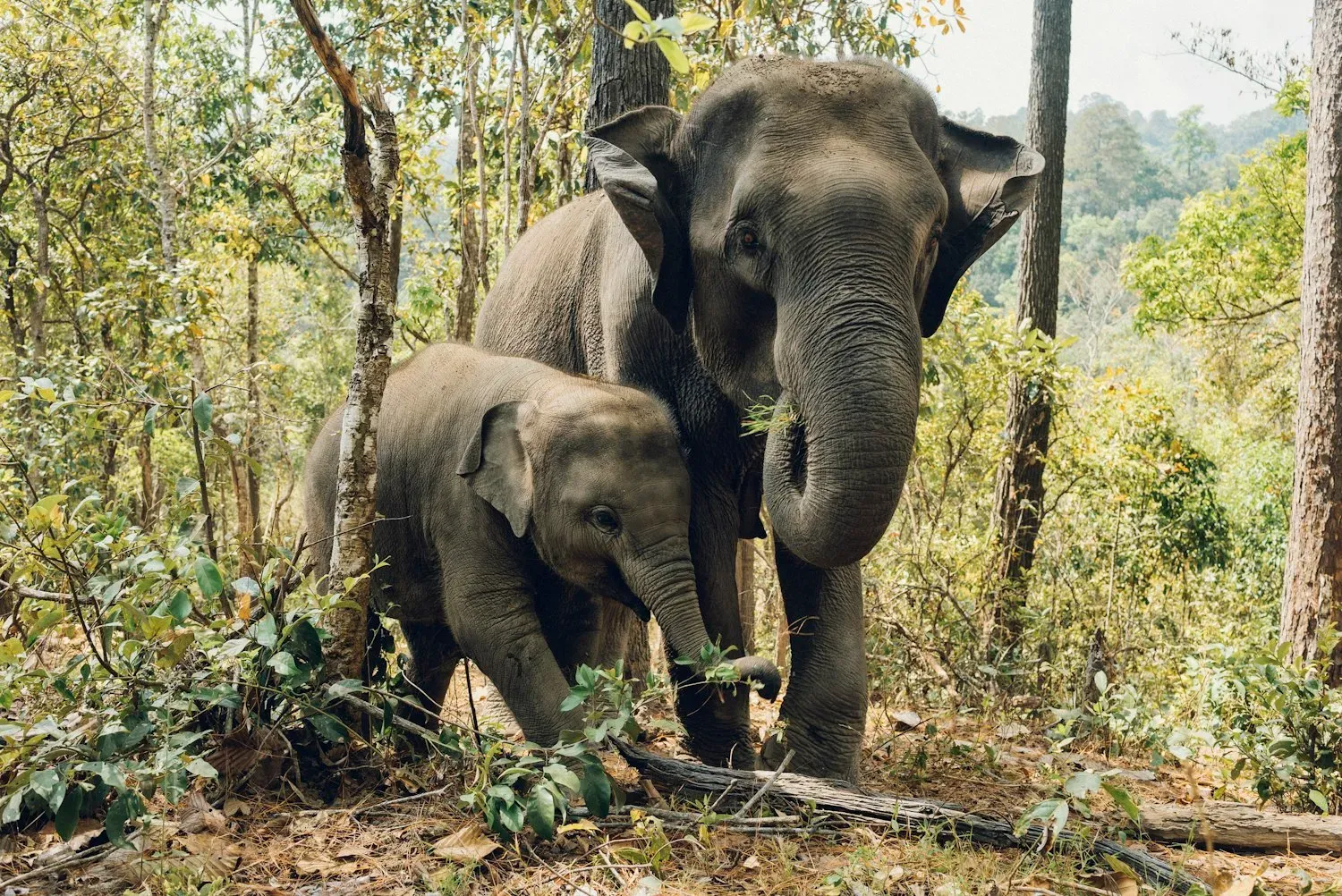 Real photograph
  Real photograph
  Real photograph
  Real photograph
  Real photograph
  Real photograph
 Why we love them
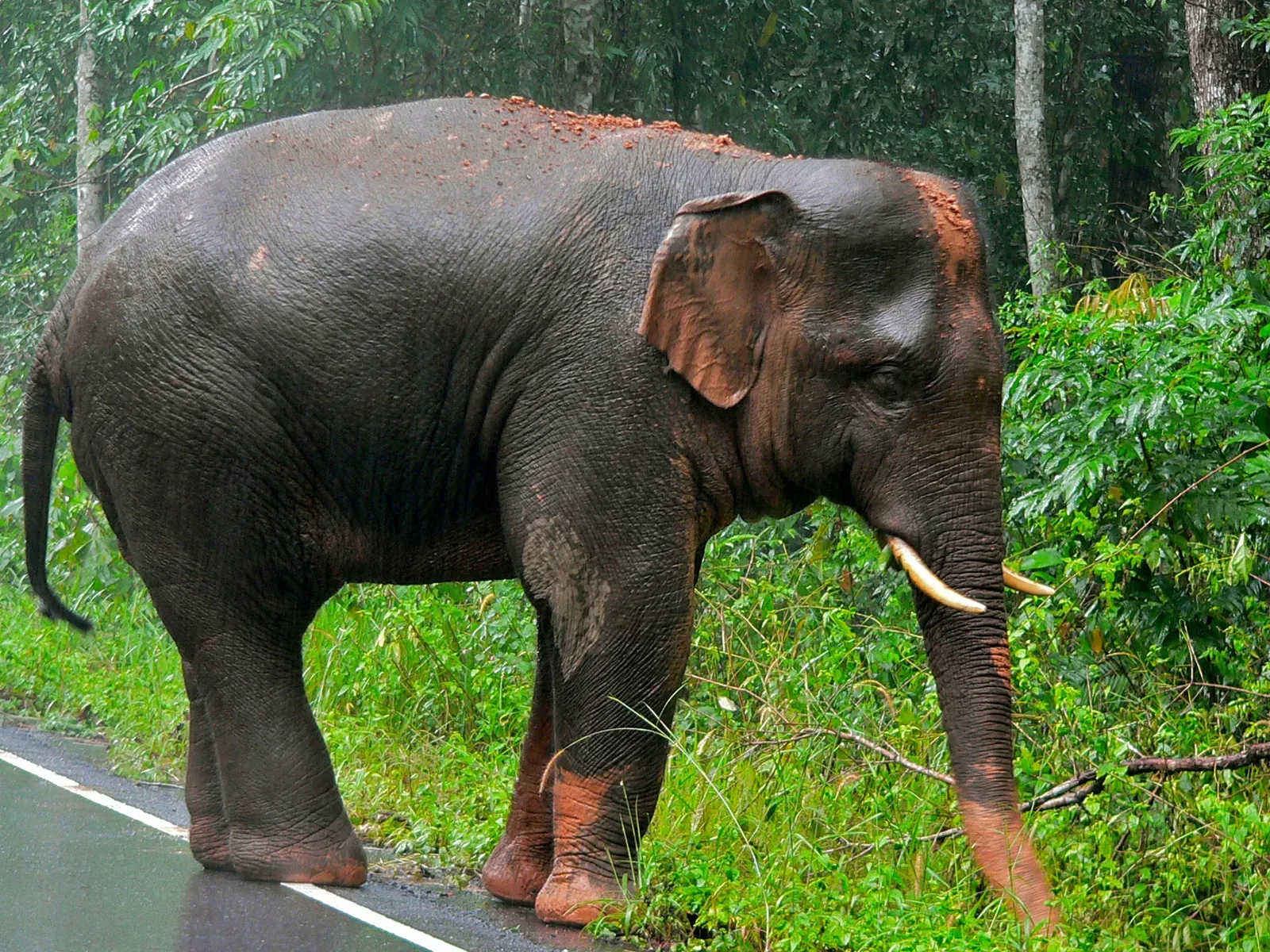
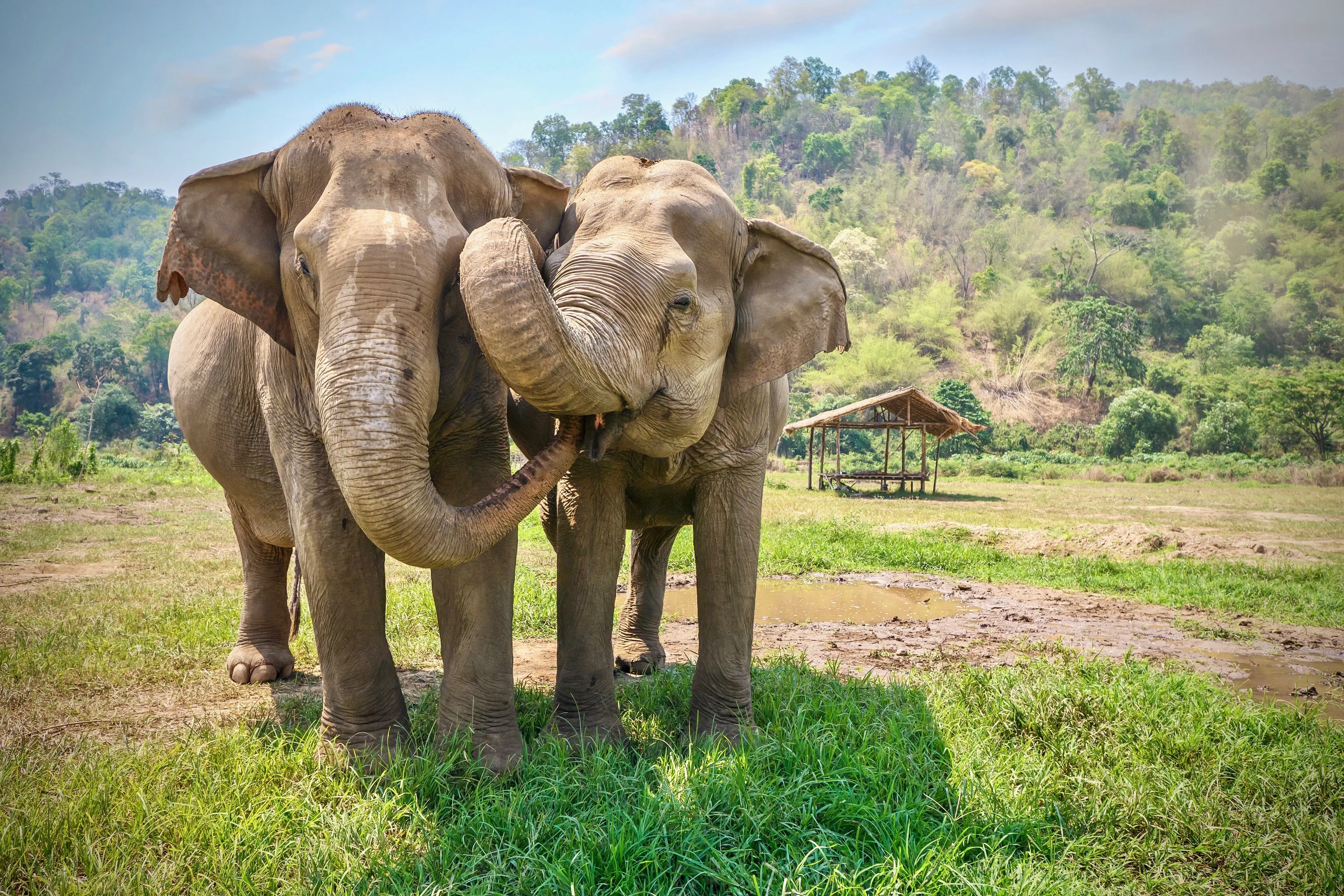
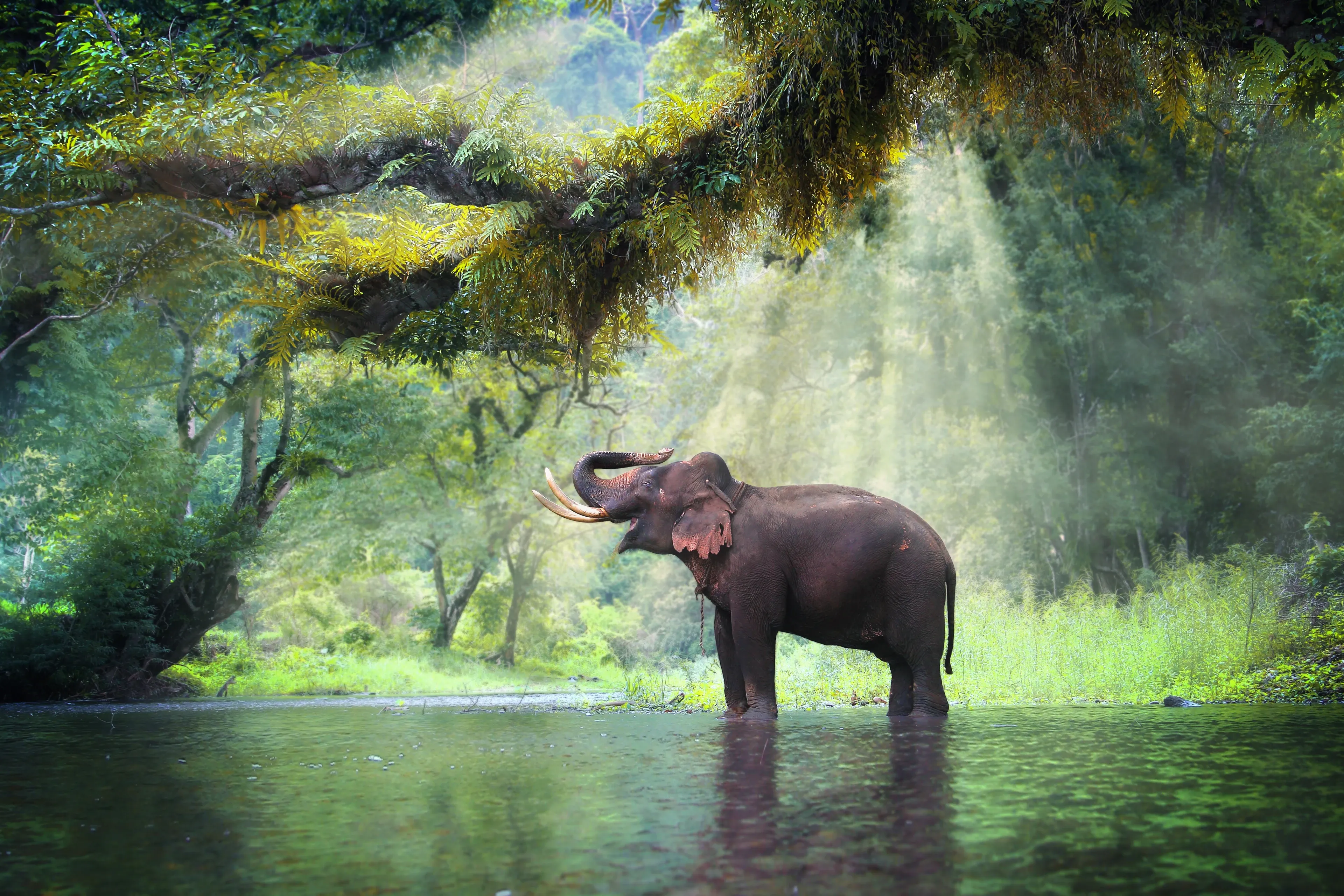
The Asian elephant is the biggest land animal in Asia. It has thick grey skin, a long curly trunk, and a tall, gently rounded back. It is a little smaller than its cousin in Africa, and it has smaller ears too. Only some of the males grow long white tusks, so many Asian elephants have no tusks at all.
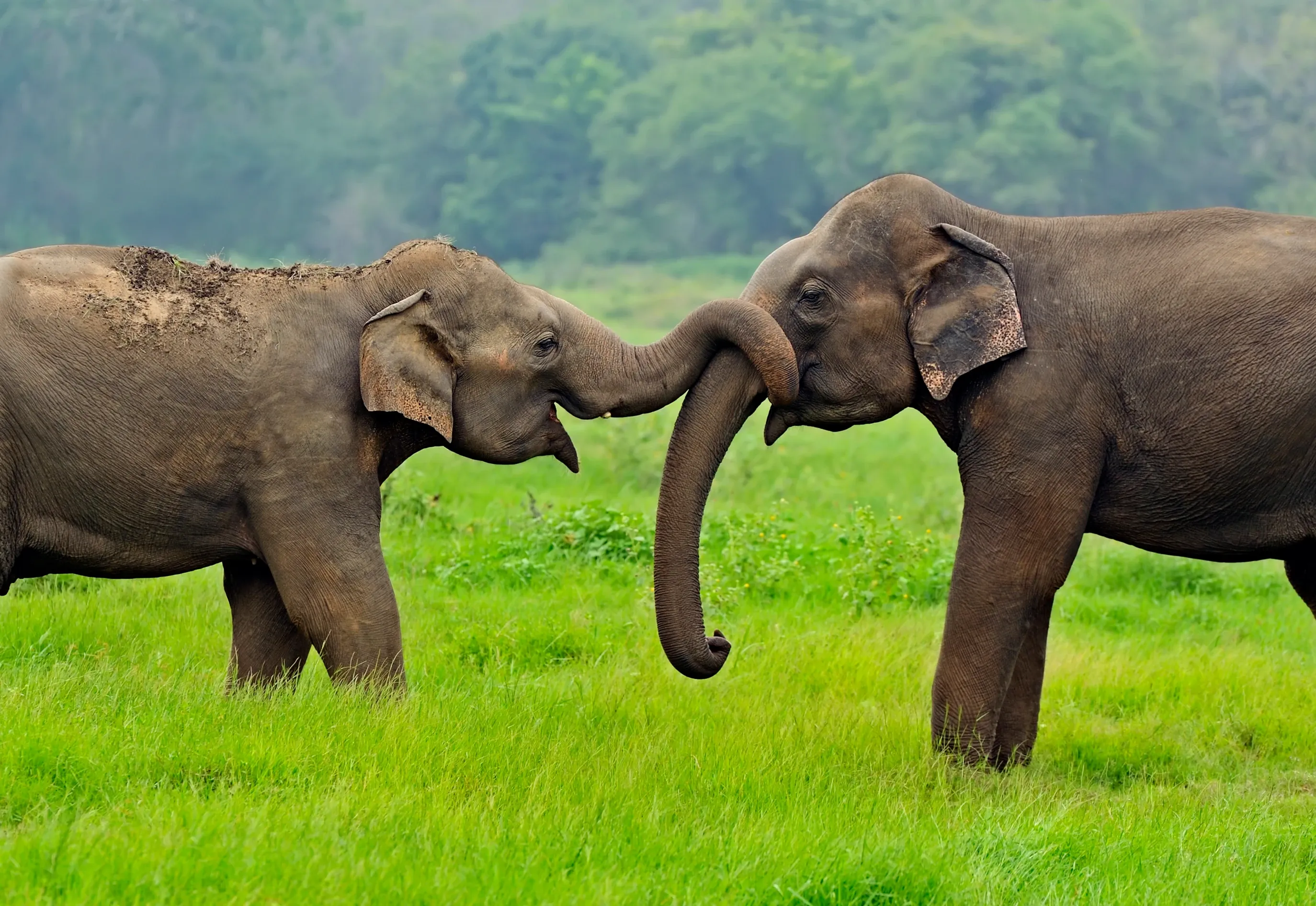
An elephant's trunk is the most useful part of its body. It is really a very long nose and top lip joined together, with one soft fingerlike tip at the end. The elephant uses its trunk to smell, to drink, to greet its friends, and to pick up food. It can wrap around a whole branch or lift up a single leaf.
Asian elephants are plant eaters. They munch grasses, leaves, bark, roots, and fruit, and they spend most of the day looking for food. A grown elephant can eat well over a hundred kilograms of plants every day, so it needs a lot of space to find enough to fill its tummy. On hot afternoons, elephants like to rest in the shade and flap their big ears to stay cool.
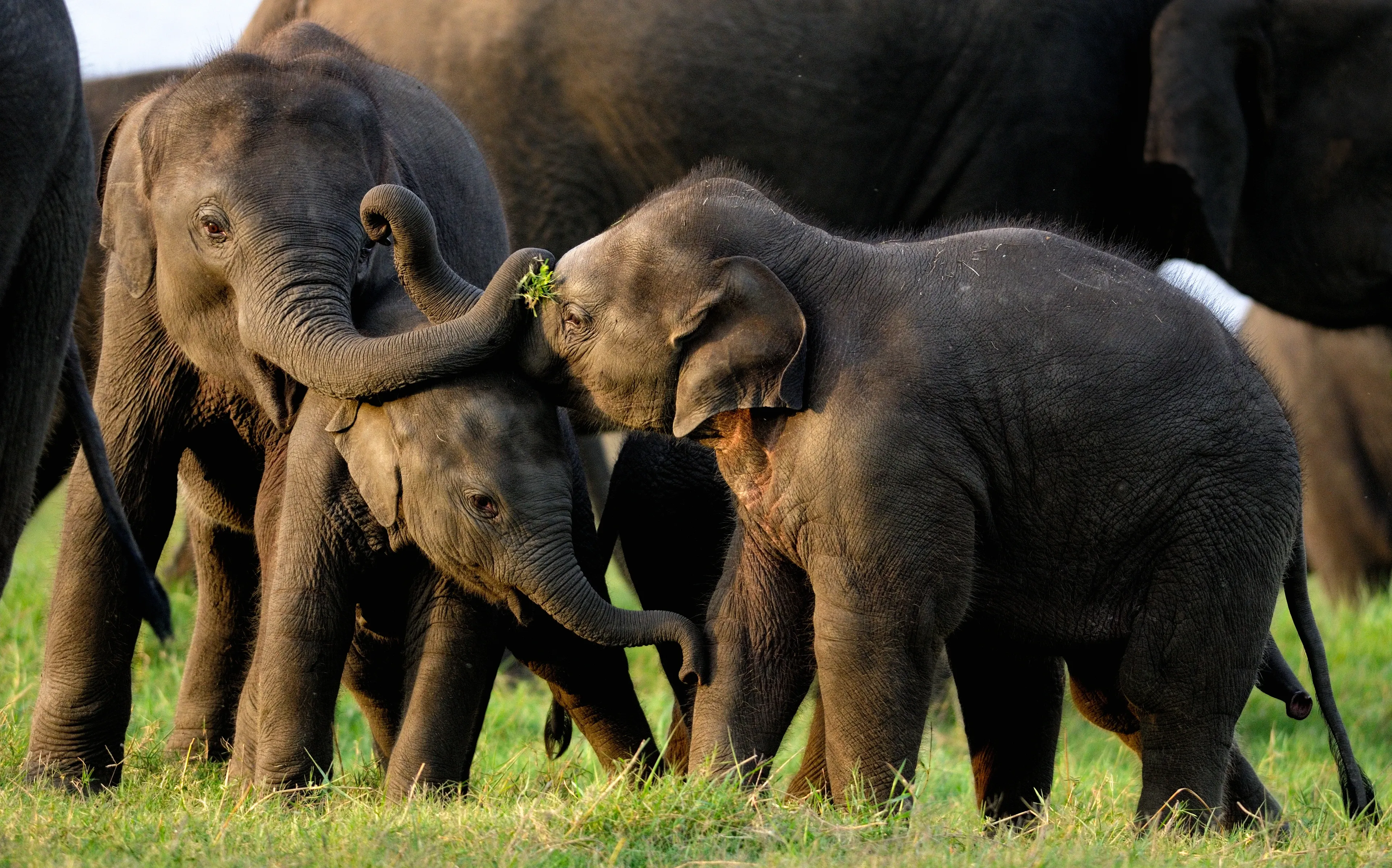
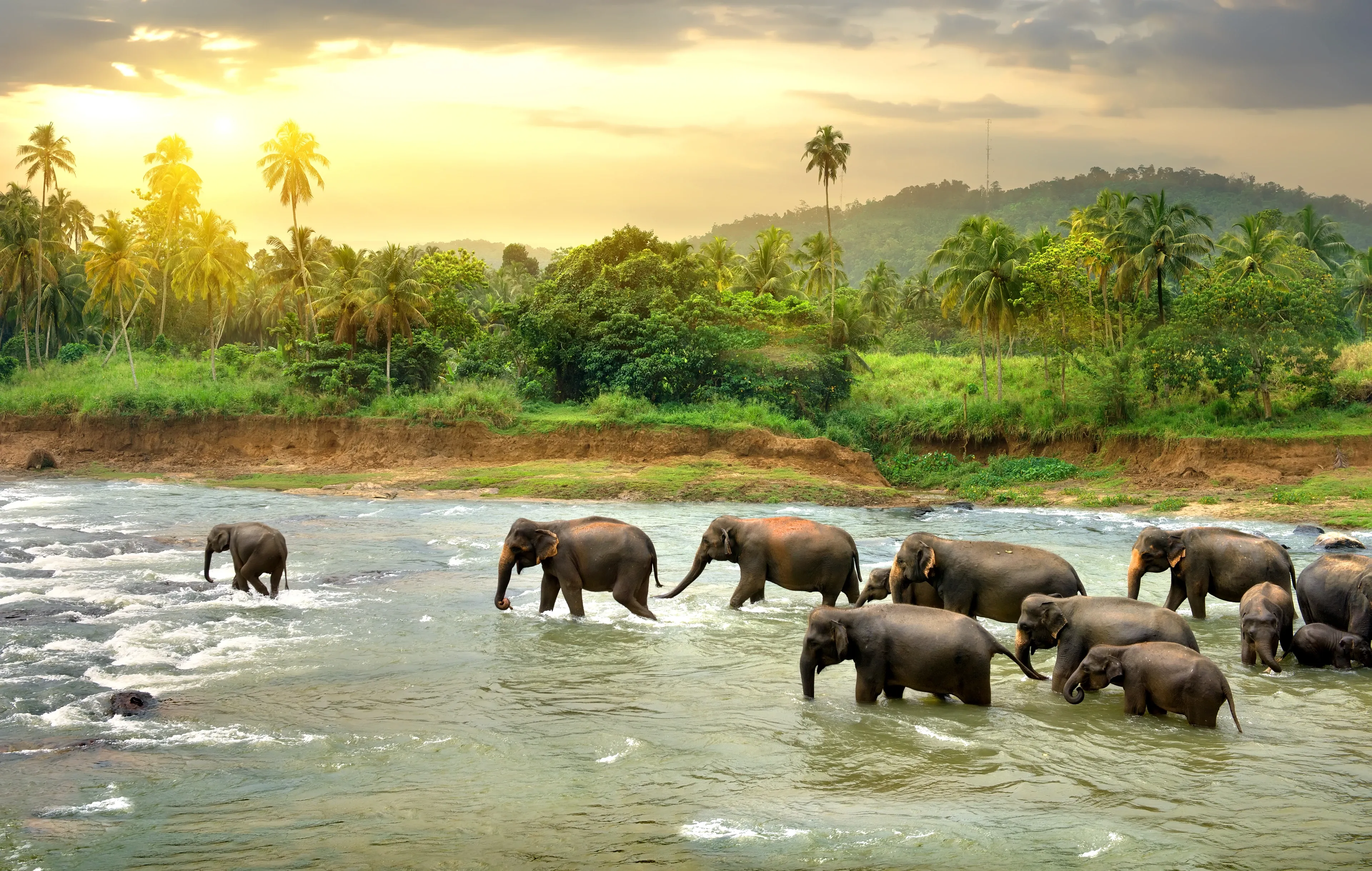
Elephants live in close family groups. A herd is usually made up of mothers, aunts, and their calves, who look after one another and help raise the babies together. Young male elephants leave the group when they grow up and often wander on their own. A newborn calf can already stand and walk soon after it is born.
There are fewer Asian elephants in the wild than there once were, and they are an endangered animal. Much of the forest they need has been cleared to make farms and towns, which leaves them less room to roam. Many people are now working to protect wild places and to help elephants and farmers live safely as neighbours.
My home
Tropical forest, grassland, scrubland
Where I live
Asia
What I eat
Grasses, leaves, bark, roots, fruit, bananas, sugar cane
How heavy I am
2750–5420 kg
How long I live
55 years
An elephant's trunk is strong enough to push over a tree, yet gentle enough to pick up one small leaf.
Baby elephants grow inside their mothers for almost two years before they are born, which is the longest wait of any animal.
Elephants flap their big ears to keep cool, a little like waving two built-in fans.
Every asian elephant can feel happy, scared and loved — just like you.
Looking after my friends
How many are there?
Only about 37,000–57,000 wild Asian elephants are estimated to remain.
The Smithsonian gives this broad range-wide estimate; it is not a simultaneous census.
Estimate source: Asian Elephant — Animal Fact Sheet
How are they doing?
EndangeredThis species has a very high risk of extinction in the wild, so protecting it matters greatly.
You can help by learning their names, keeping wild places clean, and telling someone why this animal matters.
Where this came from
- Elephas maximus (Asian Elephant) — Red List Assessment — IUCN Red List of Threatened Species
- Asian Elephant — Animal Fact Sheet — Smithsonian's National Zoo and Conservation Biology Institute
- Asian elephant — Wikipedia