 ← All animals
 bird · Passer domesticus
House Sparrow
Gallery
6 photos Real photograph 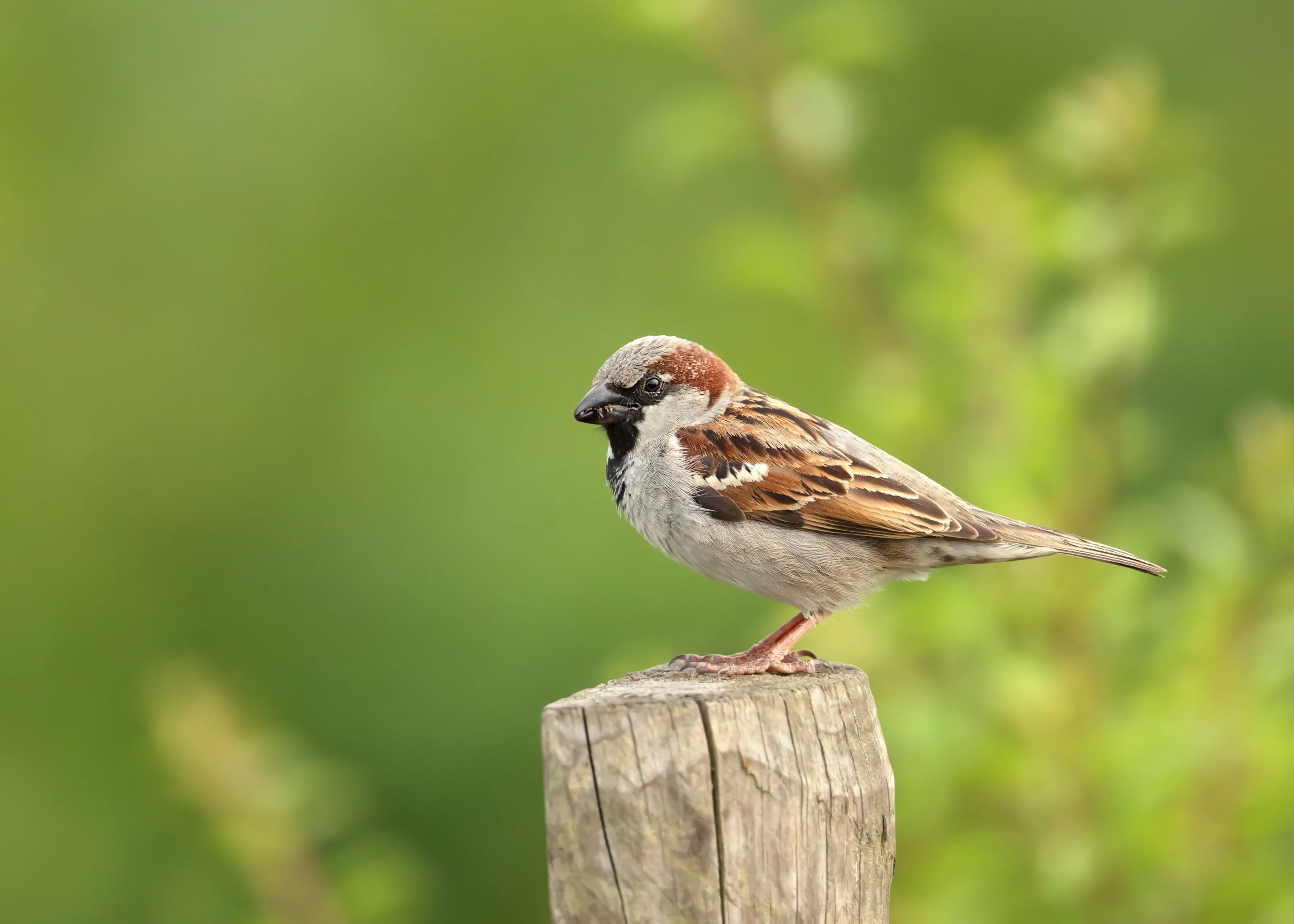 Real photograph
 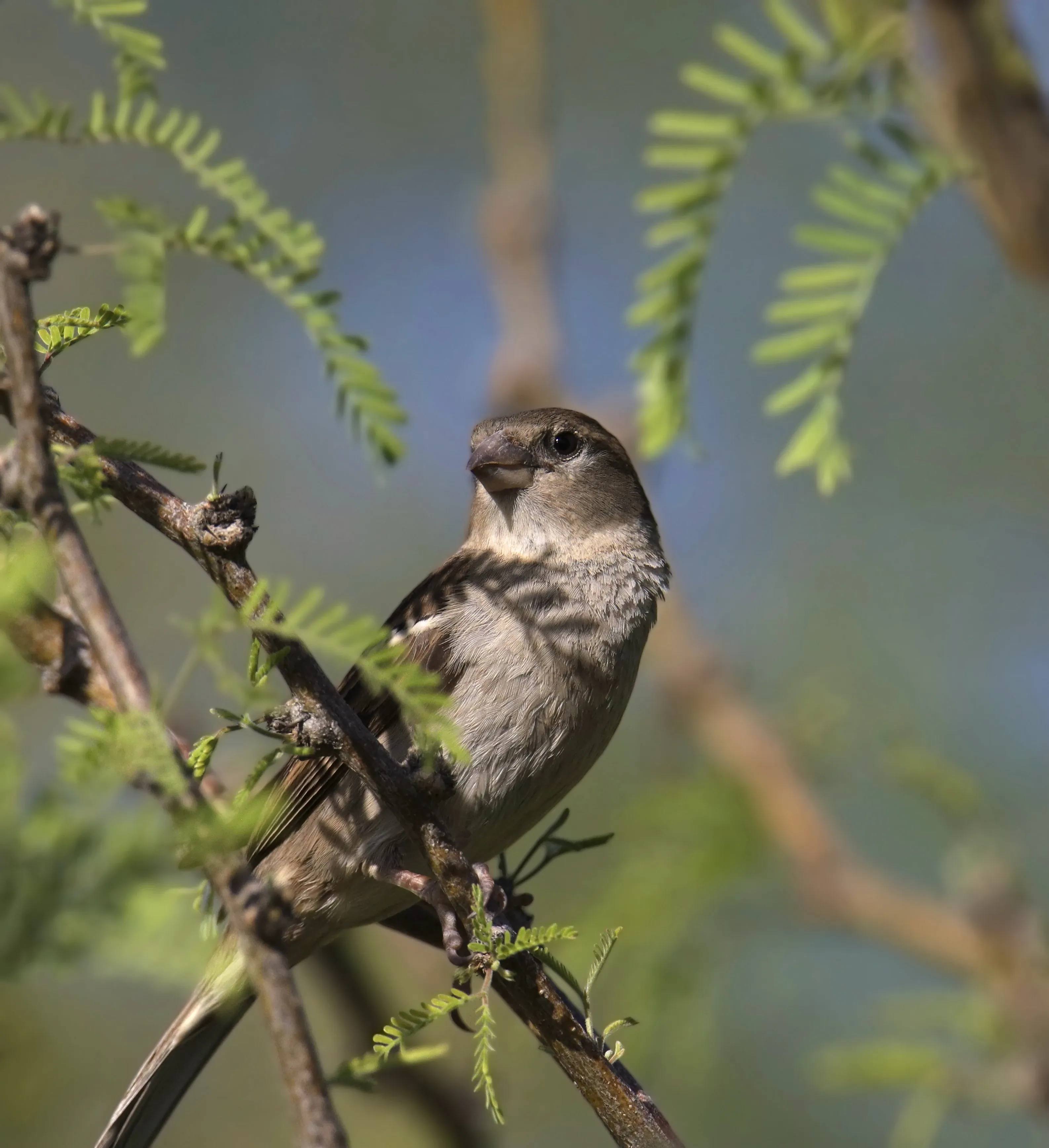 Real photograph
 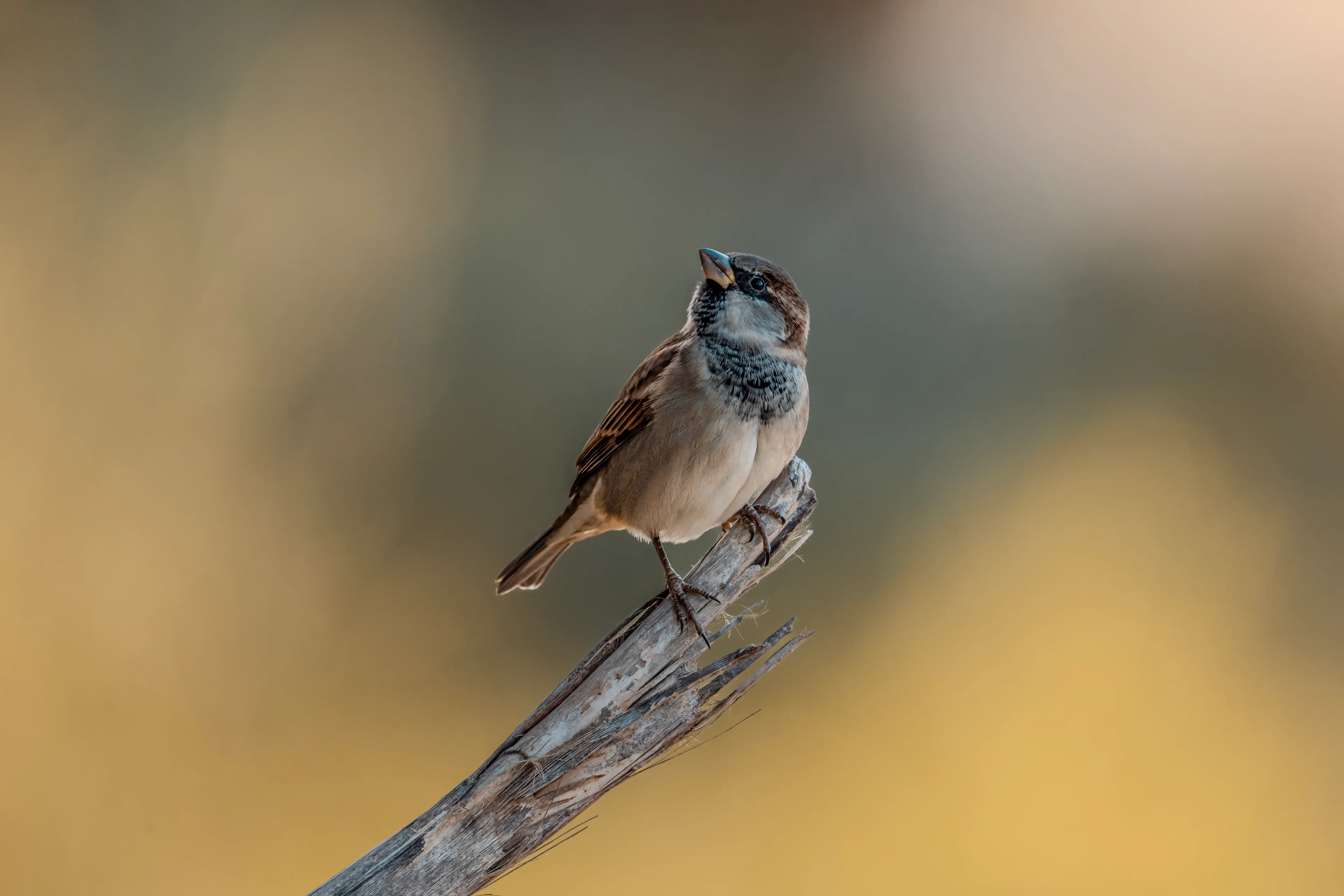 Real photograph
 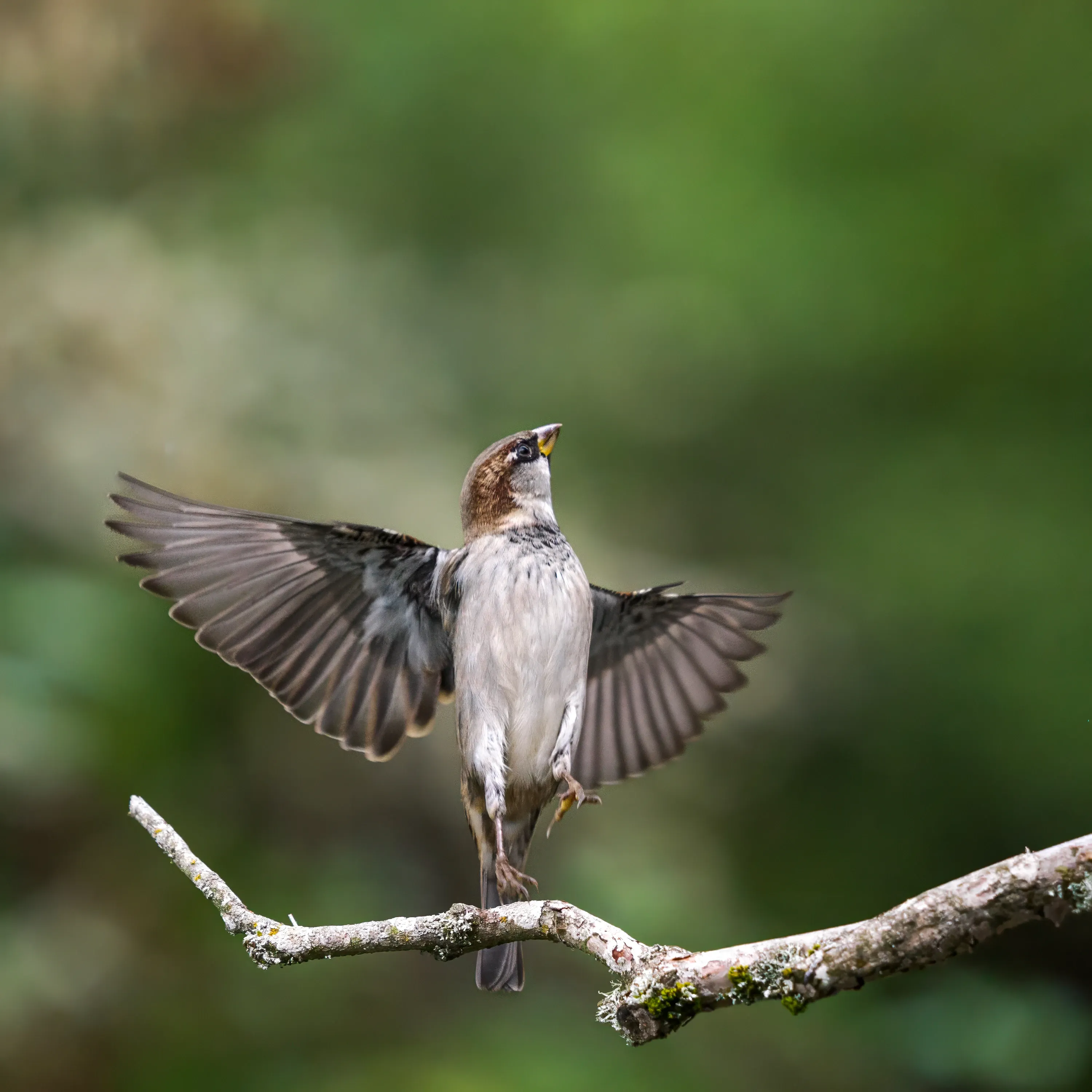 Real photograph
  Real photograph
 Why we love them
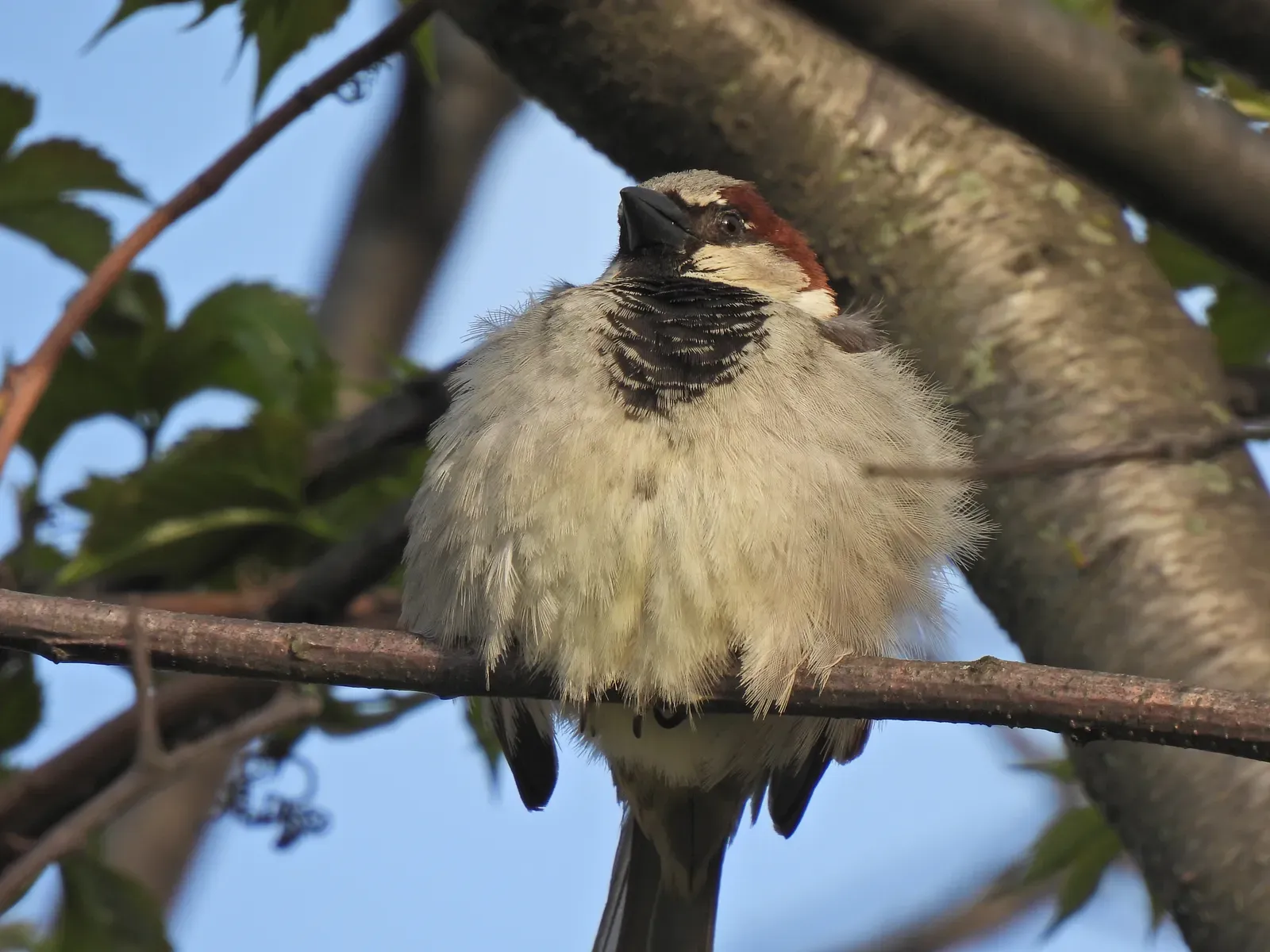
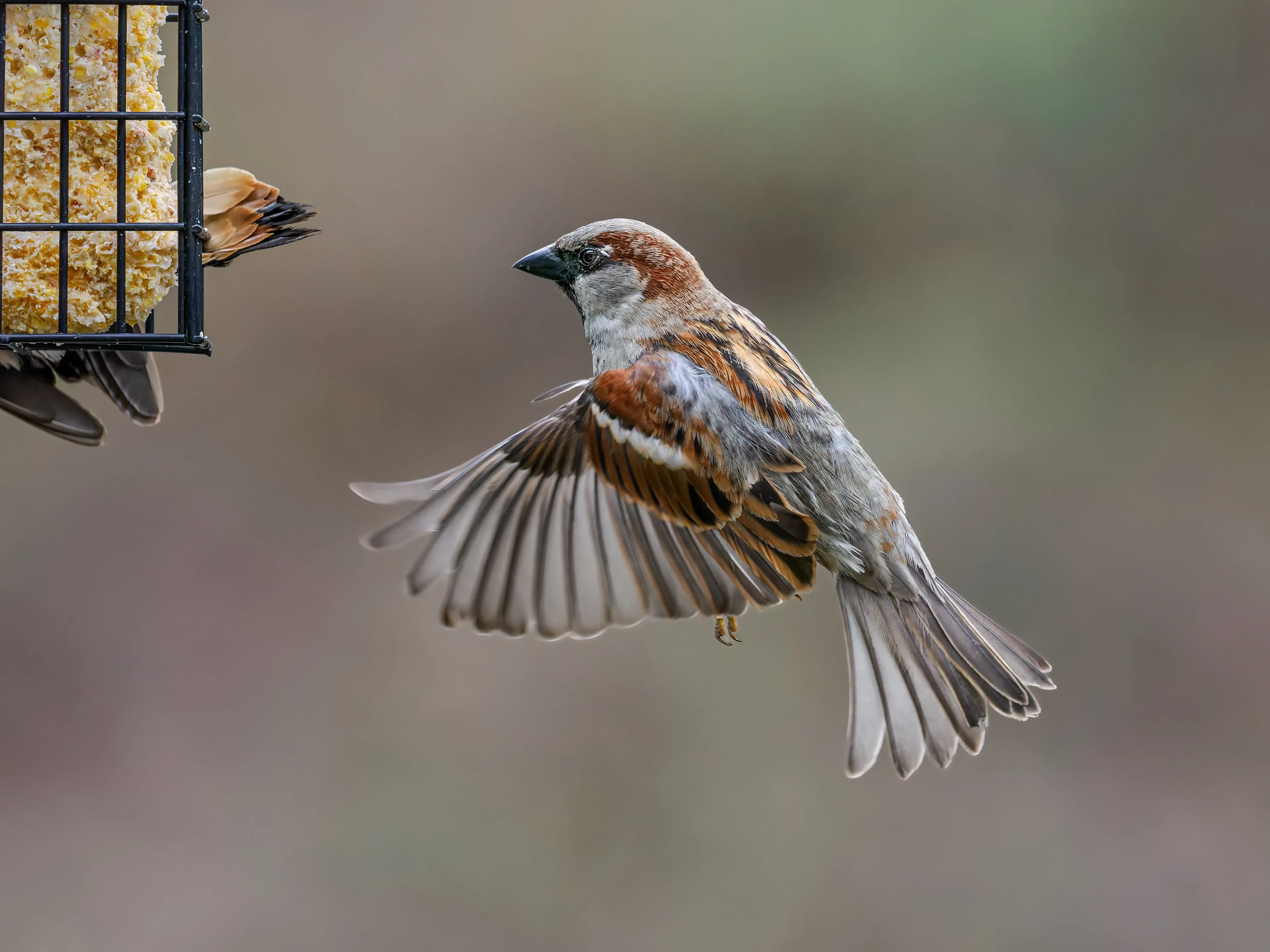
The house sparrow is a small, chatty brown bird that loves to live near people. Male sparrows have a smart black bib under their chins and grey caps, while females and young ones wear softer browns and greys. Wherever there are houses, gardens, and farms, you will often find sparrows hopping about and cheeping to each other.
This little bird has travelled almost everywhere. The house sparrow is the most widely spread wild bird in the whole world, living beside people on nearly every continent except icy Antarctica. It began in Europe, Asia, and North Africa, and then spread far and wide, often carried along as humans moved to new lands.
Sparrows are omnivores, which means they eat lots of different foods. Grown-up sparrows mostly crunch up seeds and grains, and they are happy to gobble crumbs from a picnic too. But baby sparrows need softer meals, so their parents feed them juicy insects like caterpillars and beetles to help them grow big and strong.
House sparrows are wonderfully sociable birds. They gather in busy, chirping little flocks, and they love to take "dust baths", flicking dry soil through their feathers to stay clean and comfy. They often splash in shallow puddles too, just like they are having a good wash.
In many towns and countries, sparrow numbers have been going down, partly because there are fewer insects for the chicks and fewer cosy nooks to nest in. Even though there are still huge numbers of them, people can help by leaving wild corners in gardens and by putting up special sparrow nest boxes for these friendly neighbours.
My home
Towns, cities, farmland, gardens, human settlements
Where I live
Africa, Asia, Europe, North America, Oceania
What I eat
Seeds, grains, weed seeds, insects, caterpillars, crumbs
How long I am
0.14–0.18 m
How heavy I am
0.024–0.0395 kg
How long I live
3–13 years
The house sparrow is the most widely spread wild bird on Earth, living near people on almost every continent except Antarctica.
Baby house sparrows are fed mostly on soft insects like caterpillars and beetles, even though grown-up sparrows love to eat seeds.
Sparrows are very sociable and love a good "dust bath", fluffing dry soil through their feathers to keep clean, then chirping together in noisy little flocks.
Every house sparrow can feel happy, scared and loved — just like you.
Looking after my friends
How many are there?
A 2021 scientific study estimated about 1.6 billion house sparrows worldwide.
This is a modelled global estimate, not a direct census.
Estimate source: Global abundance estimates for 9,700 bird species
How are they doing?
Lower extinction riskThis species has a lower global extinction risk right now. Local populations can still grow or shrink.
You can help by learning their names, keeping wild places clean, and telling someone why this animal matters.
Where this came from
- Passer domesticus (House Sparrow) — Red List Assessment — IUCN Red List of Threatened Species / BirdLife International (Red List Authority for birds)
- Passer domesticus (house sparrow) — Animal Diversity Web, University of Michigan Museum of Zoology
- House sparrow — Wikipedia
- Global abundance estimates for 9,700 bird species — Proceedings of the National Academy of Sciences