 ← All animals
 insect · Gryllus campestris
Field cricket
Gallery
5 photos Real photograph 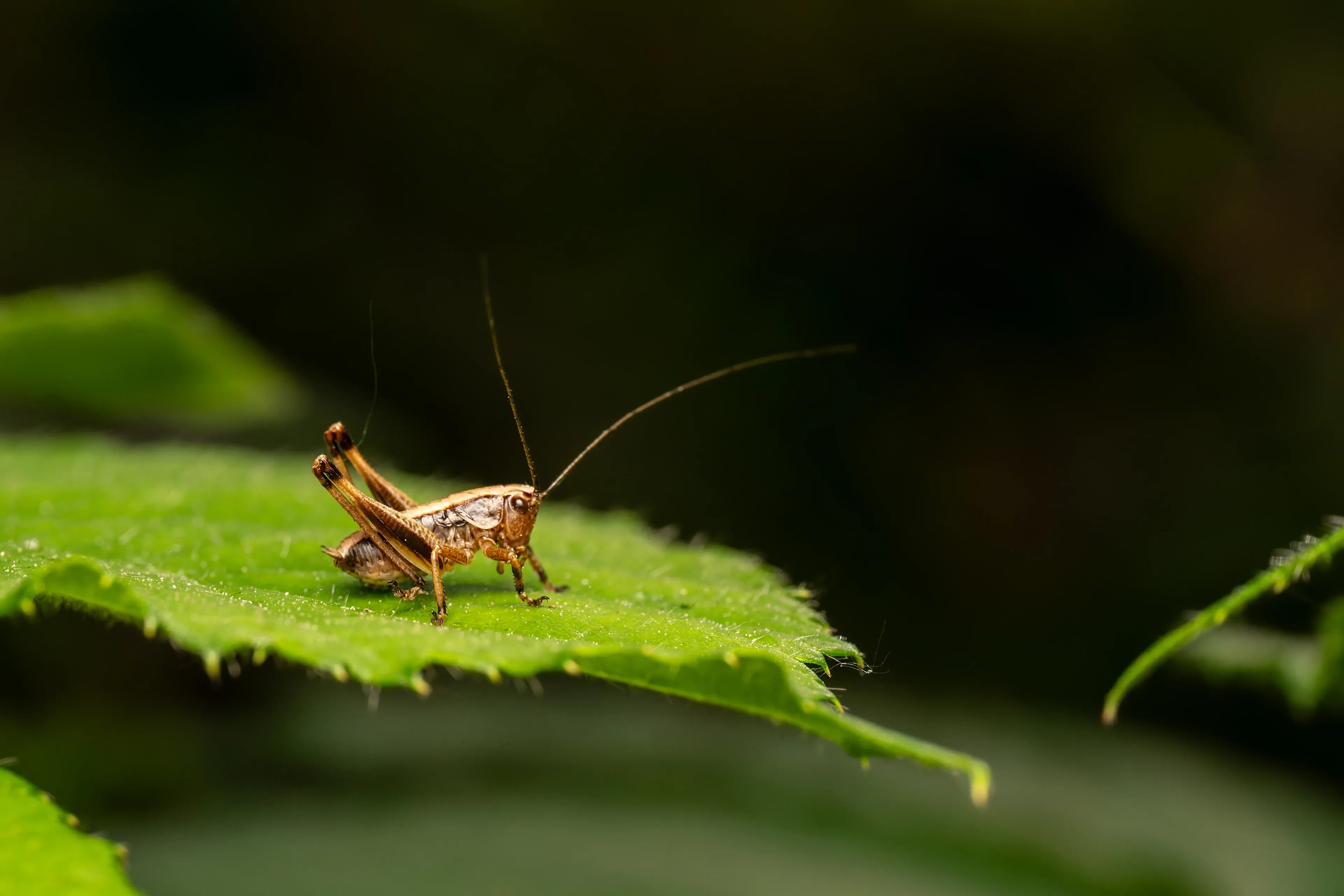 Real photograph
 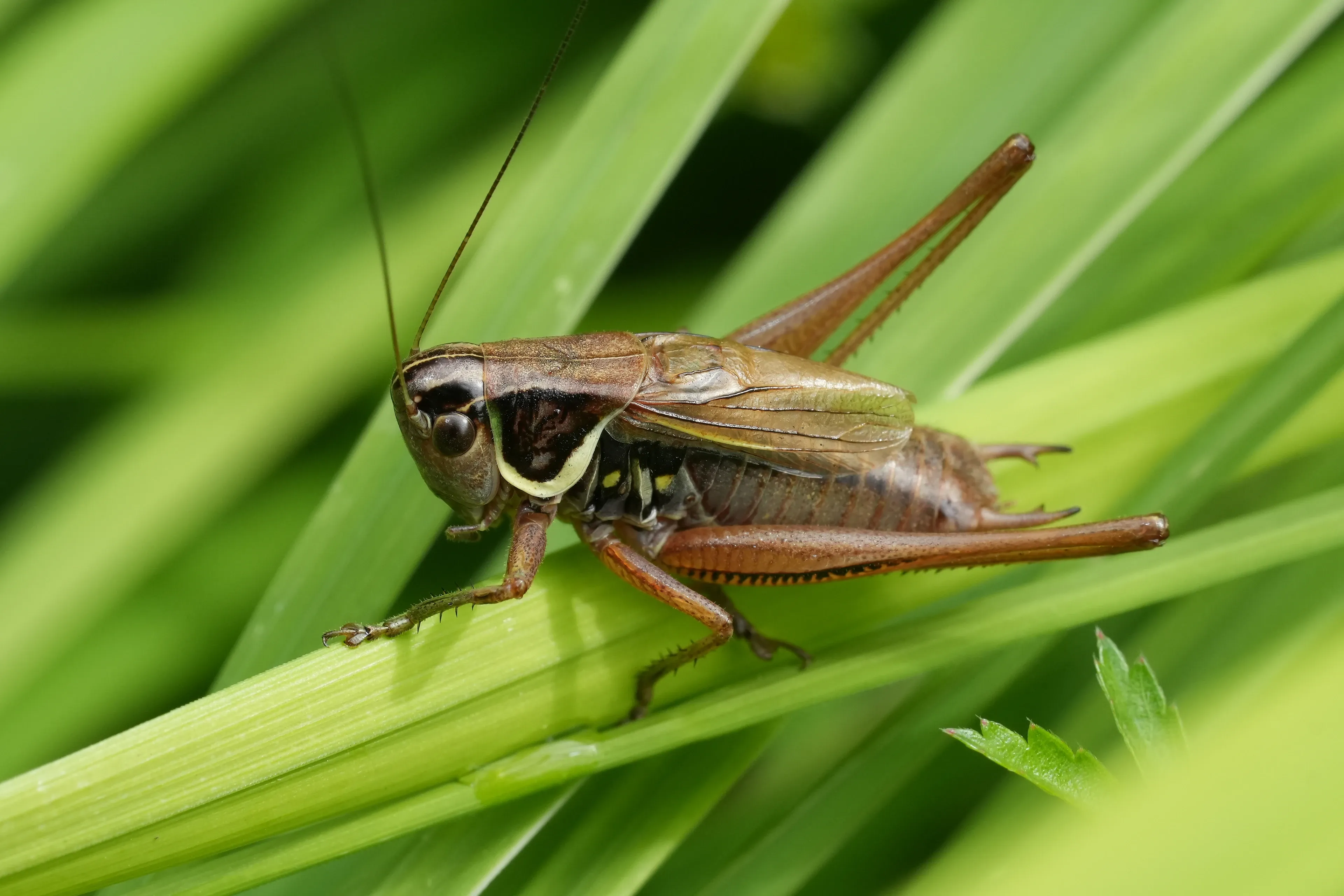 Real photograph
 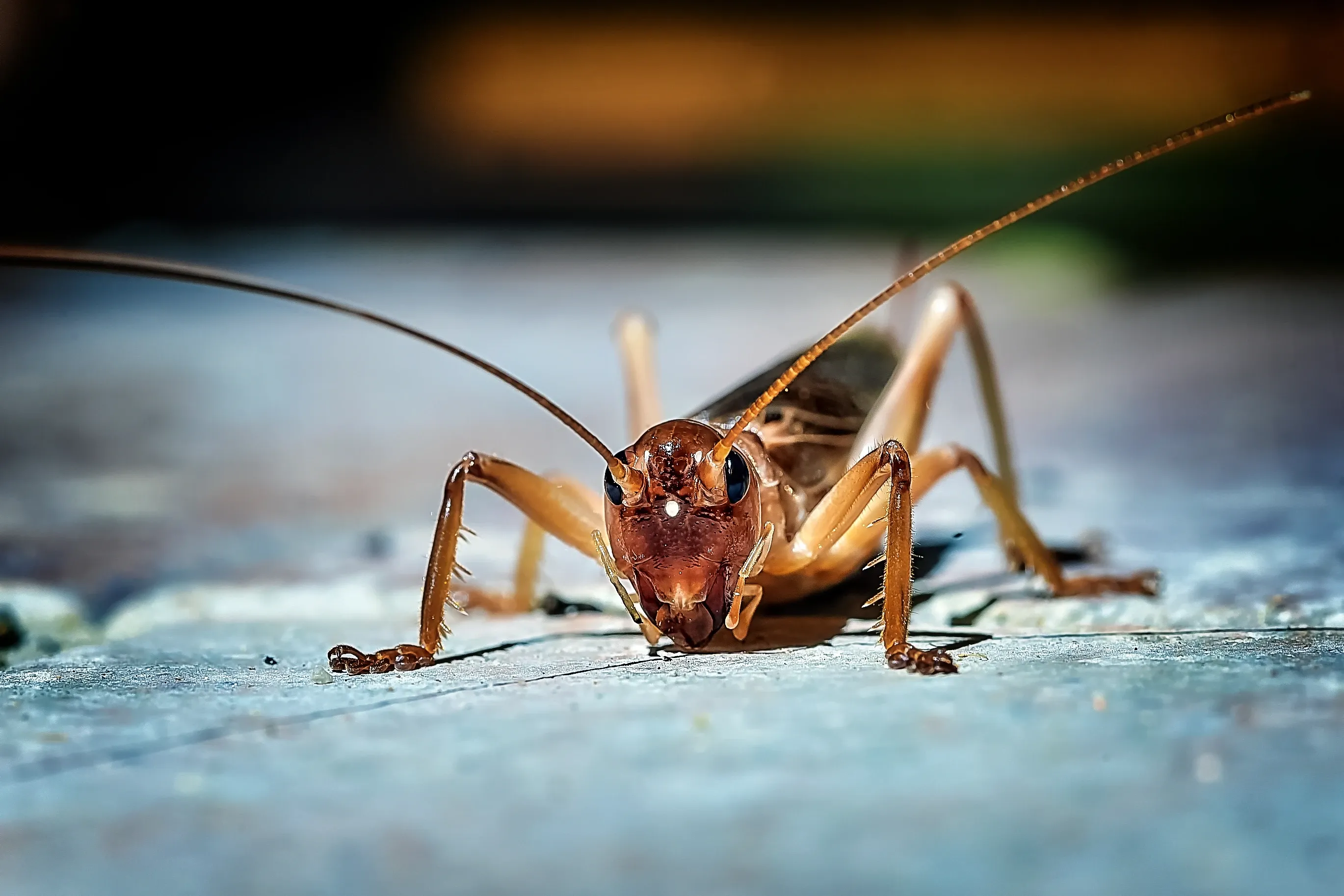 Real photograph
 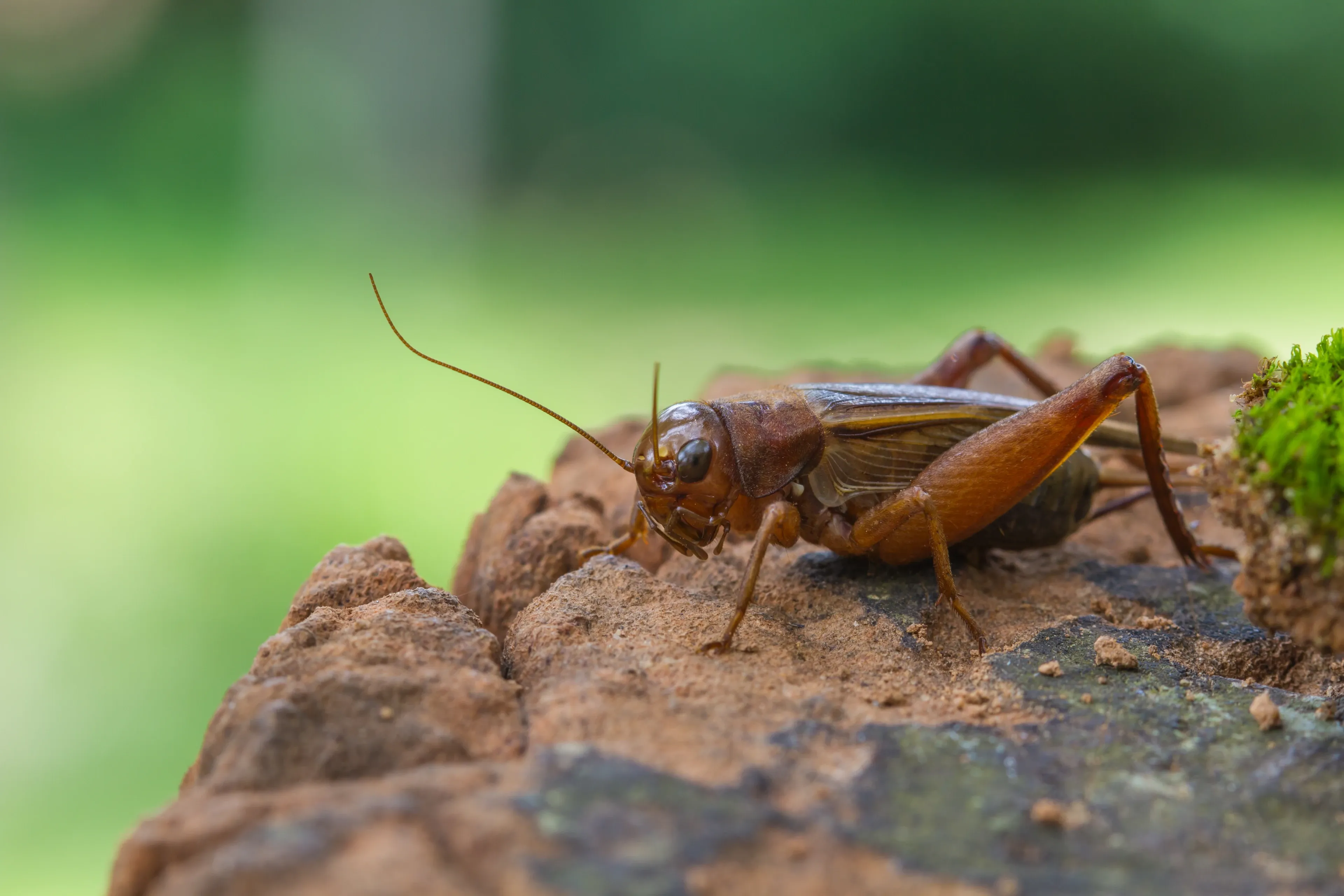 Real photograph
 Why we love them
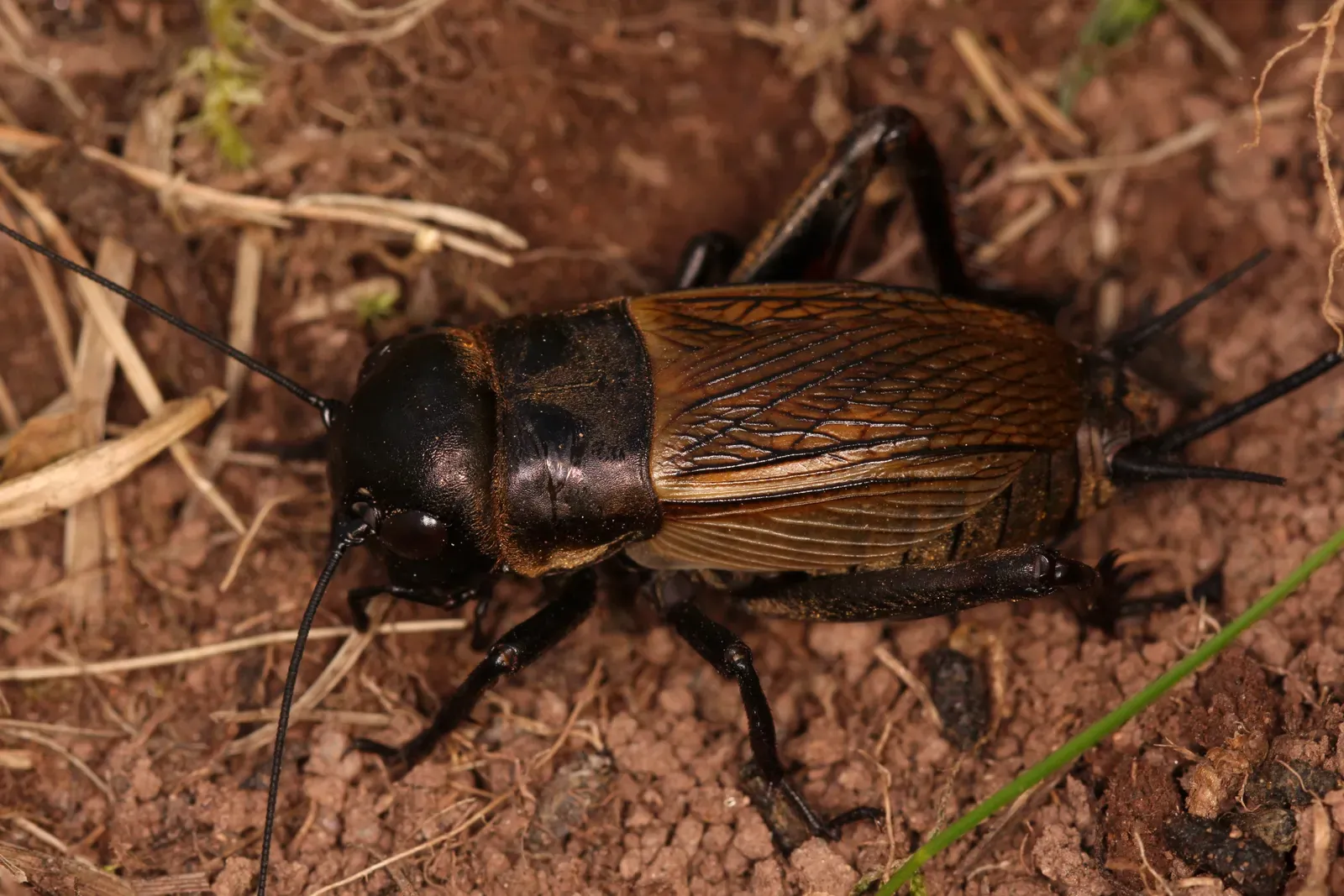
The field cricket is a chunky, shiny insect, black or brown with a splash of yellow at the base of its wings. It is about two centimetres long, roughly the size of your thumbnail. Field crickets live in sunny, dry grasslands and heathlands across Europe, hopping and walking through the short grass.
Field crickets are famous for their cheerful song. On warm days and warm summer evenings, the males chirp and chirp to call for a mate. They do not sing with their mouths at all. Instead, a male rubs special ridges on his wings together, a bit like running your thumb along the teeth of a comb, and out comes his song.
Each male field cricket digs his very own burrow, a little tunnel in the ground, and he can do it in just a few minutes. He sits at the doorway of his burrow to sing, keeping it safe and cosy. Females do not build burrows. They wander through the grass, listening, and follow the chirping until they find a singing male.
Field crickets cannot fly. Even though they have wings, the wings are made for singing, not flying. So a cricket walks everywhere it goes, and a busy one can travel up to about 100 metres in a single day, which is a very long journey for such a little insect on foot.
Around the whole world, field crickets are listed as Least Concern, which means there are plenty of them. In some countries, though, such as Britain, they had become quite rare as their grassy homes disappeared. Kind people have been restoring heathlands and gently moving crickets to new places to help them sing on.
My home
Dry grassland, heathland, meadow
Where I live
Europe
What I eat
Grasses, leaves, small insects
How long I am
0.02–0.02 m
Male field crickets "sing" by rubbing special ridges on their wings together, chirping on warm days and evenings to call for a mate.
Each male digs his own little burrow in just a few minutes and sits at the doorway to sing, while females wander over to listen.
Field crickets cannot fly, so they walk everywhere and can travel up to about 100 metres in a single day.
Every field cricket can feel happy, scared and loved — just like you.
Looking after my friends
How many are there?
A July 2023 survey estimated about 1,000 field crickets in a British recovery population.
This is one managed recovery population, not the total number of field crickets across Europe.
Estimate source: Gryllus campestris
How are they doing?
Lower extinction riskThis species has a lower global extinction risk right now. Local populations can still grow or shrink.
You can help by learning their names, keeping wild places clean, and telling someone why this animal matters.
Where this came from
- Gryllus campestris (Field Cricket) — Red List Assessment — IUCN Red List of Threatened Species
- Gryllus campestris (Field Cricket) — Animal Diversity Web, University of Michigan Museum of Zoology
- Gryllus campestris — Wikipedia