 ← All animals
 insect · Forficula auricularia
Common earwig
Gallery
3 photos Real photograph 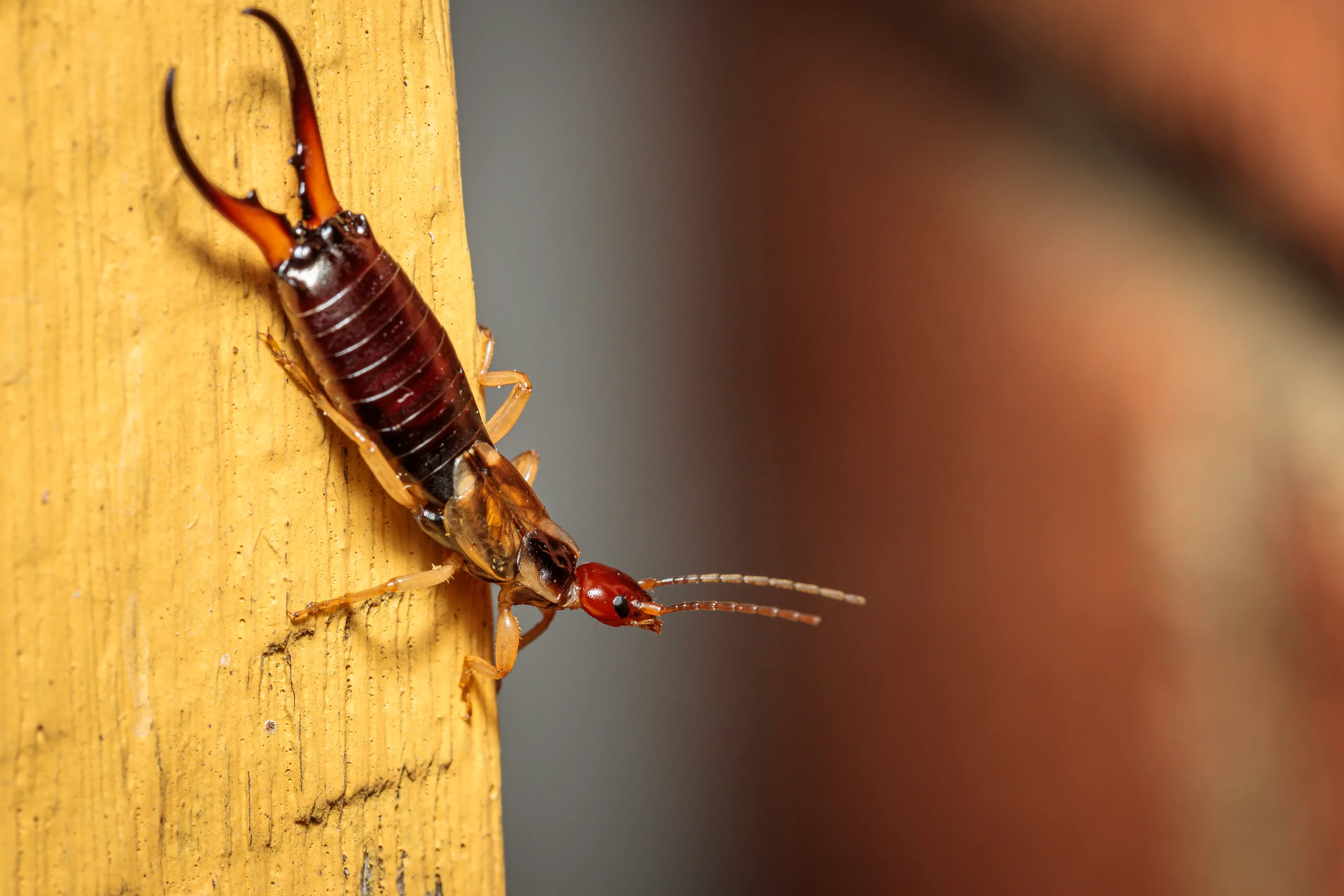 Real photograph
 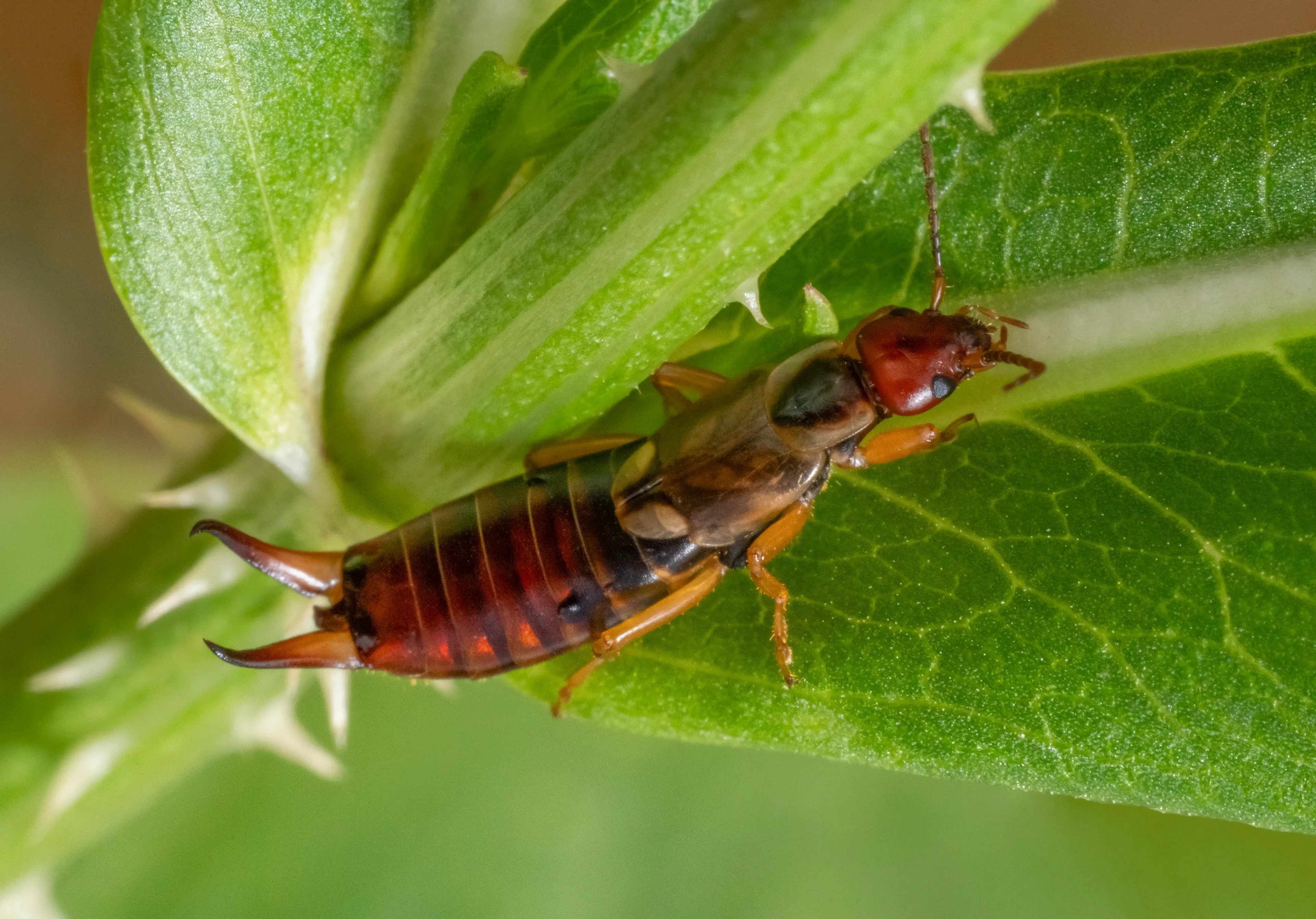 Real photograph
 Why we love them
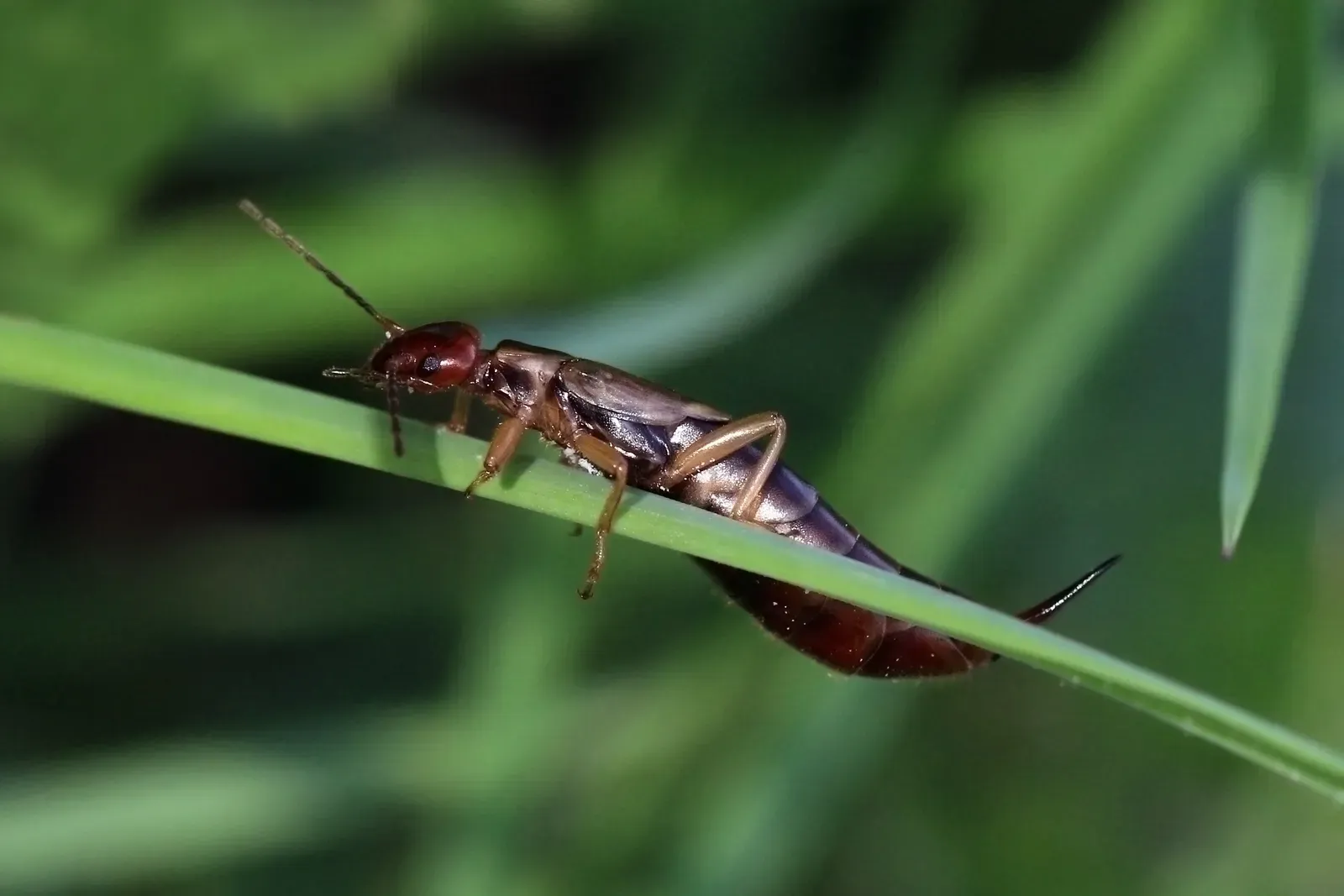
The common earwig is a slim, shiny insect about a centimetre and a half long, with a reddish-brown body and a friendly-looking pair of pincers at its tail. It is one of the most familiar garden insects in the world, and you might find one tucked under a flowerpot or hiding in the folds of a leaf.
Those pincers at the tail can look surprising, but they are quite harmless. They are called forceps, and earwigs use them mostly for showing off to one another and for gentle defence. A male has curved, rounded forceps, while a female's are straight and slender. They even help the earwig fold up its delicate wings.
One of the loveliest things about earwigs is what careful parents they are. In autumn a mother earwig makes a cosy little nest underground and lays around fifty tiny eggs. Then she does something unusual for an insect — she stays and looks after them, cleaning each egg with her mouth and forceps to keep mould away and guarding her babies until they hatch.
Earwigs like the dark, so they rest in cool, damp hideaways during the day and come out to explore at night. They are omnivores, which means they enjoy a mixed menu. They nibble small creatures like aphids and mites, and they also munch on leaves, fruit, flowers and other bits of plants.
The common earwig first lived in Europe and western Asia, but it has travelled far and now lives across much of North America and beyond, often as a helpful garden neighbour. By eating aphids and other small pests, earwigs quietly lend gardeners a hand while going about their busy nightly lives.
My home
Gardens, woodland, leaf litter, under bark
Where I live
Asia, Europe, North America
What I eat
Aphids, mites, leaves, fruit, flowers, lichens
How long I am
0.012–0.015 m
The little pincers at an earwig's tail are called forceps, and they are mostly for showing off and gentle defence — they are harmless to people.
Earwigs are wonderful mothers; a female lays about fifty eggs and cleans each one with her mouth and pincers to keep mould away until they hatch.
A common earwig is an omnivore, eating a mixed menu of tiny creatures like aphids and mites along with leaves, fruit and flowers.
Every common earwig can feel happy, scared and loved — just like you.
Looking after my friends
How many are there?
A female common earwig usually lays and guards about 30–55 eggs.
This is one brood, not a population estimate.
Estimate source: Forficula auricularia (European earwig)
How are they doing?
No global assessmentThis animal does not have a global extinction-risk assessment recorded in this system.
You can help by learning their names, keeping wild places clean, and telling someone why this animal matters.
Where this came from
- Forficula auricularia — IUCN Red List status check — IUCN Red List of Threatened Species
- Forficula auricularia (European earwig) — Animal Diversity Web, University of Michigan Museum of Zoology
- Forficula auricularia — Wikipedia