 ← All animals
 insect · Mantis religiosa
European mantis
Gallery
8 photos Real photograph 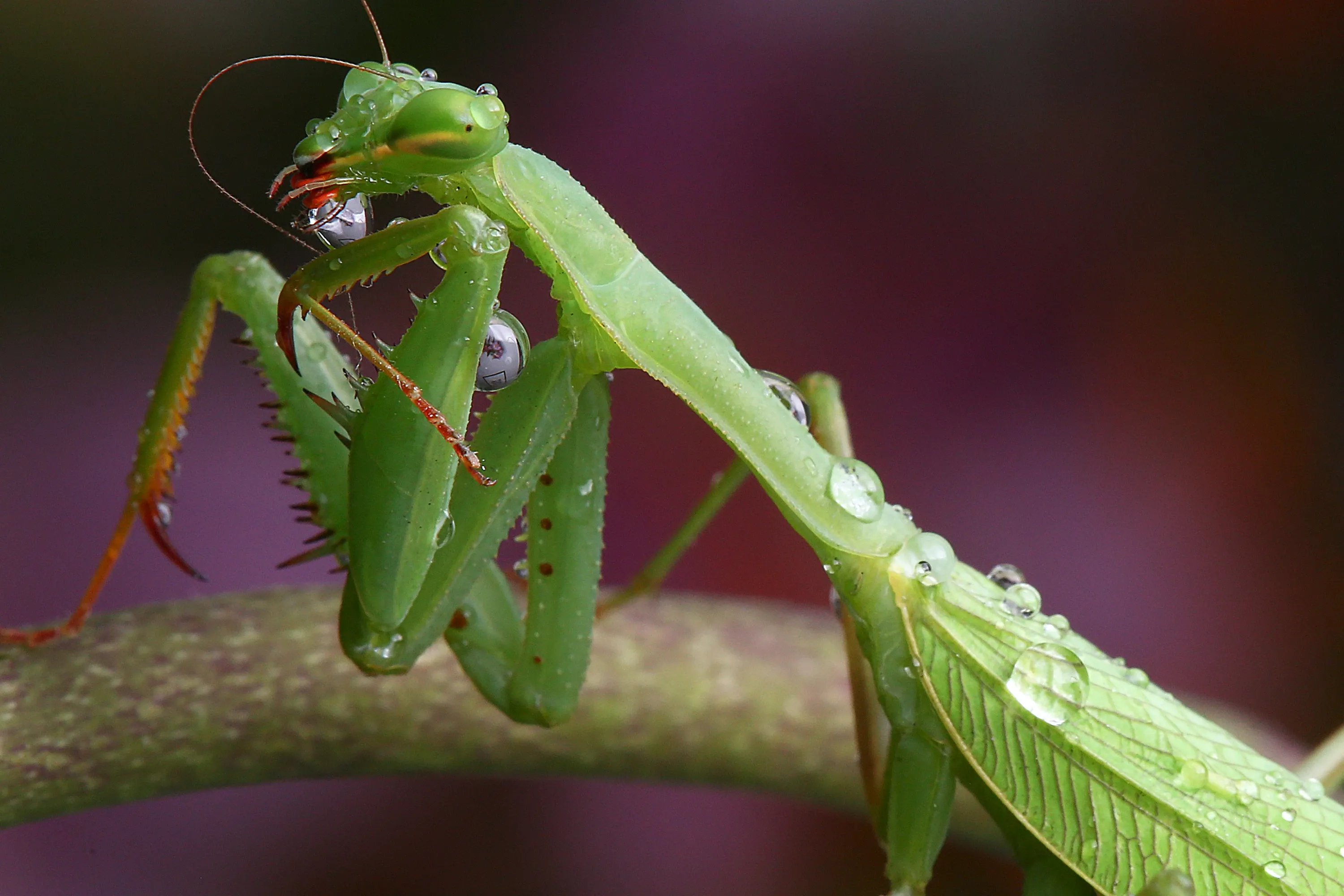 Real photograph
 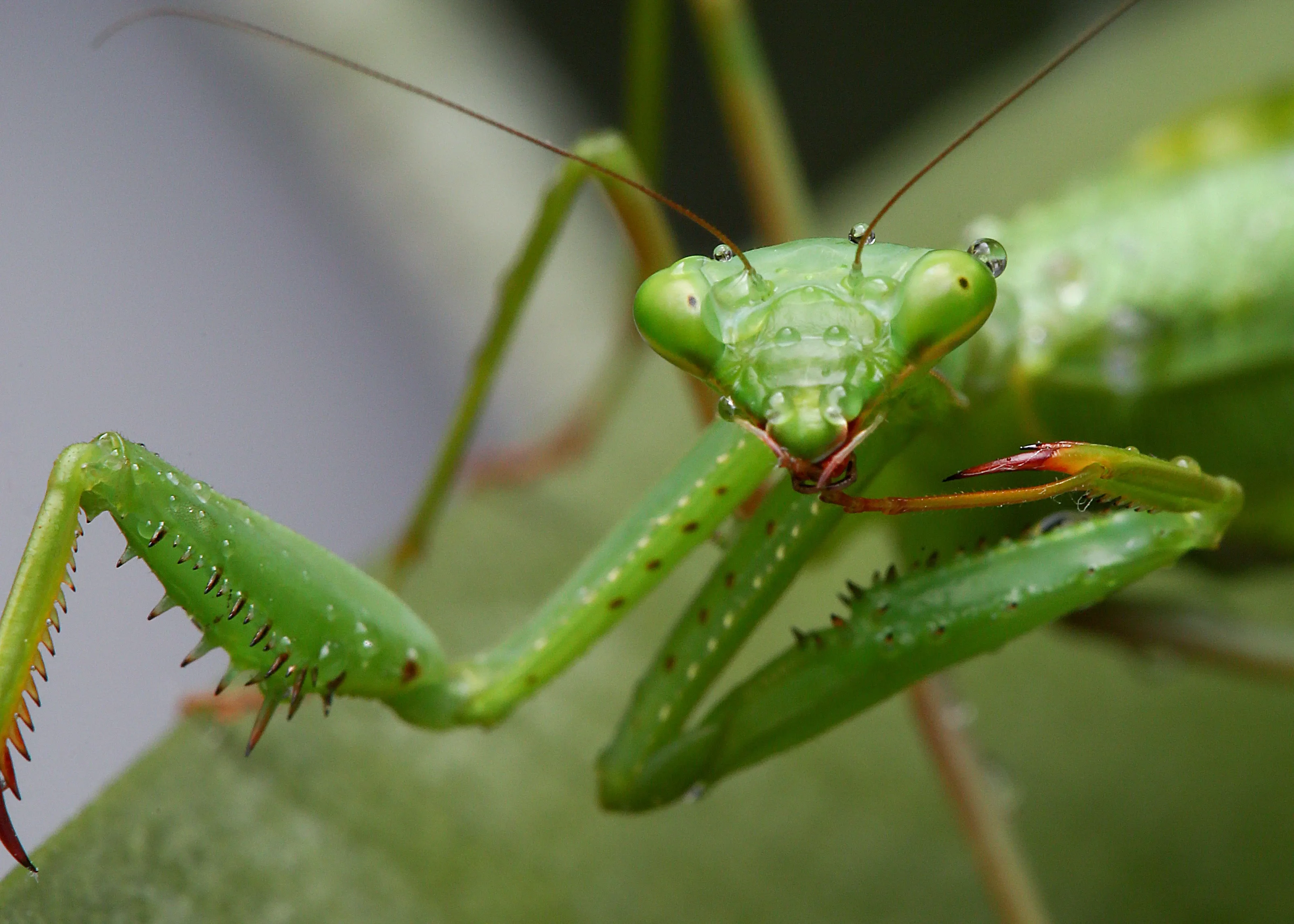 Real photograph
 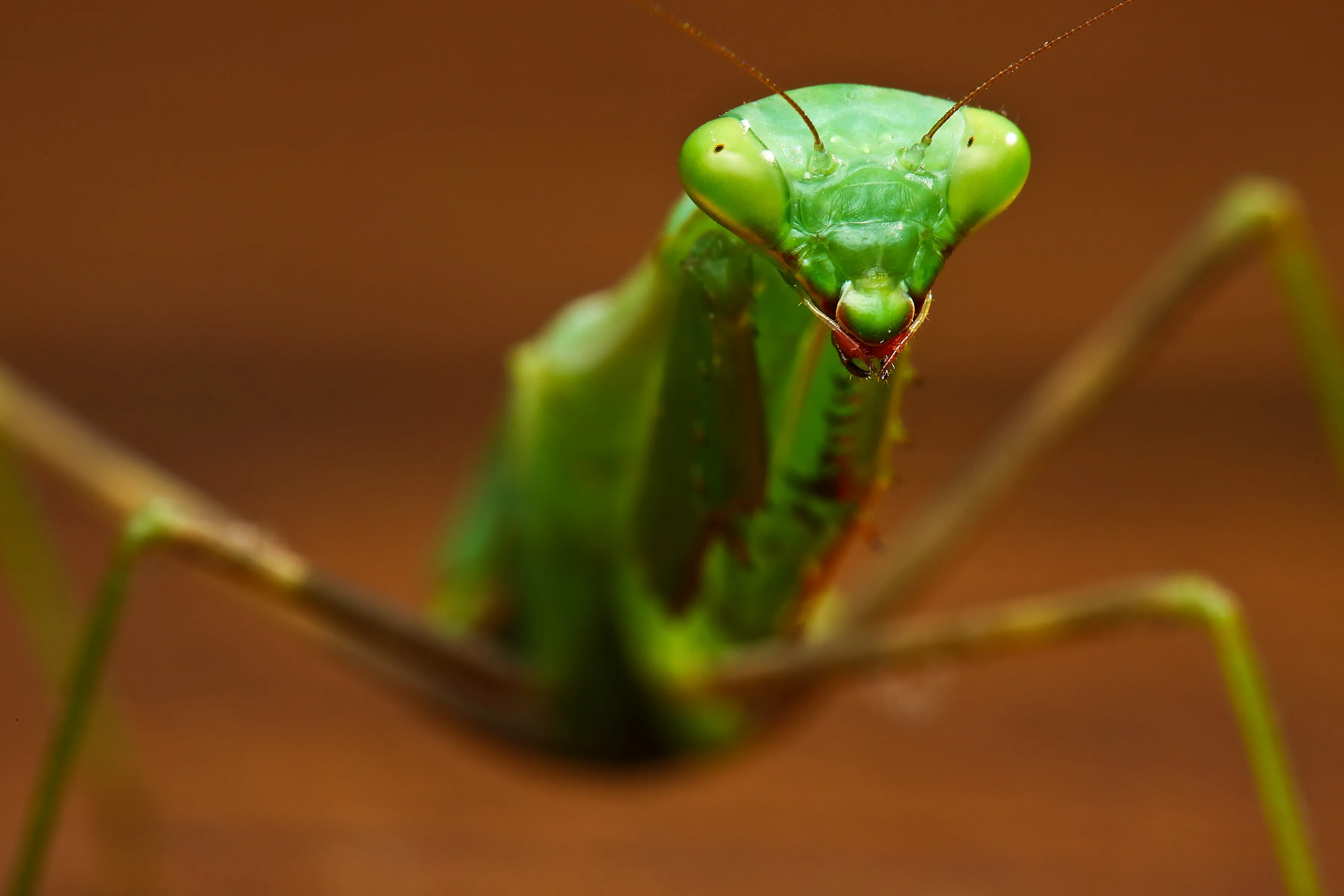 Real photograph
 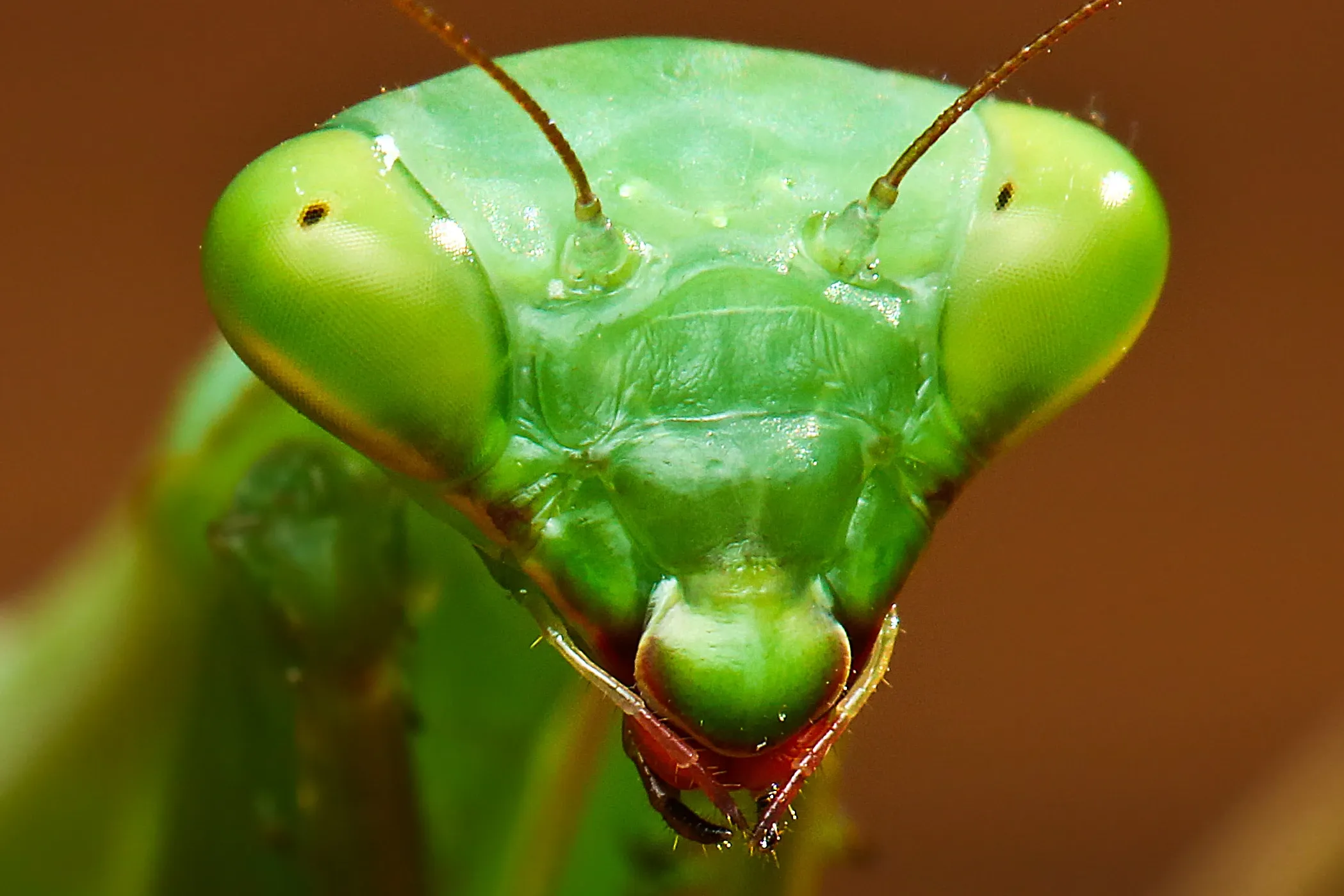 Real photograph
 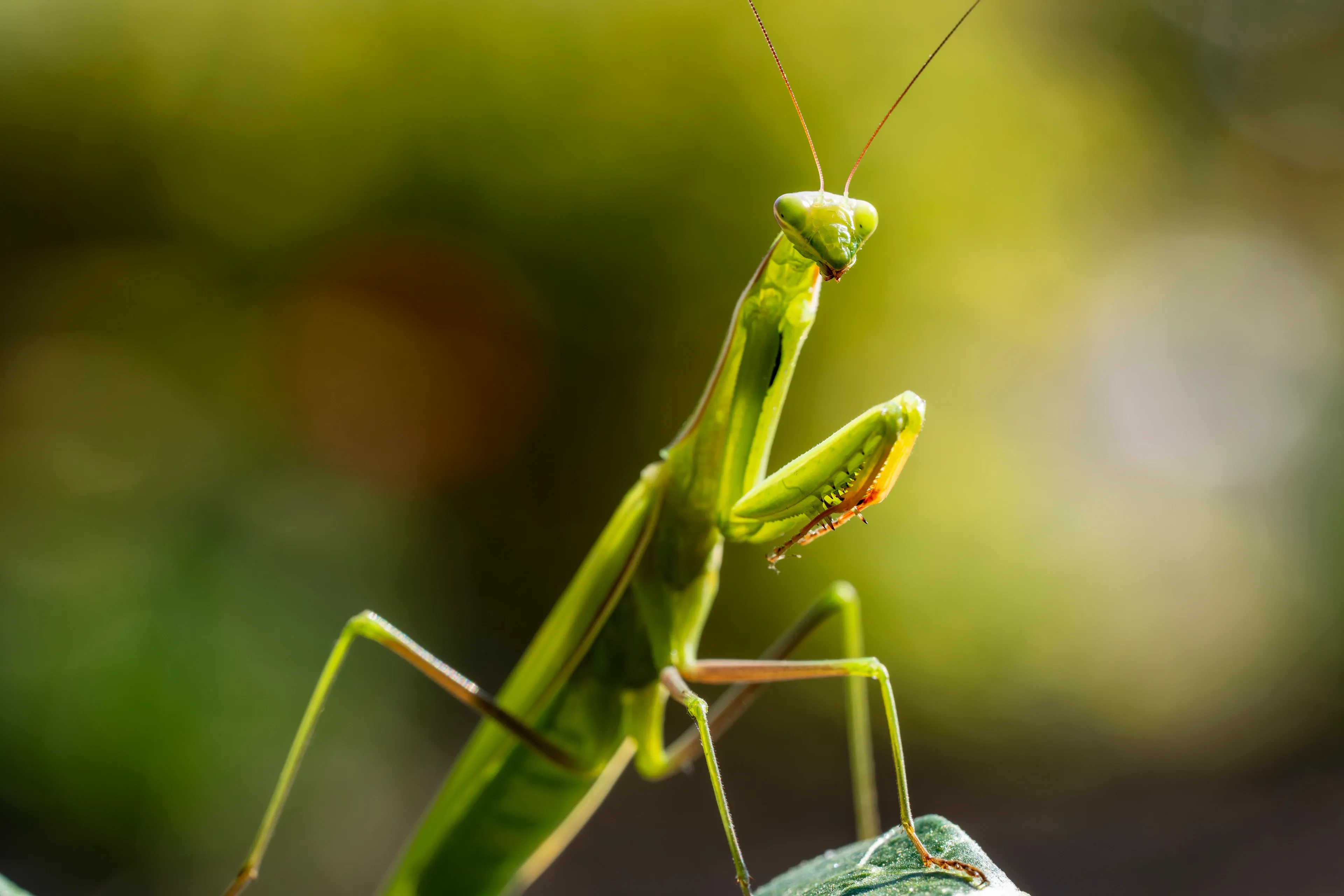 Real photograph
 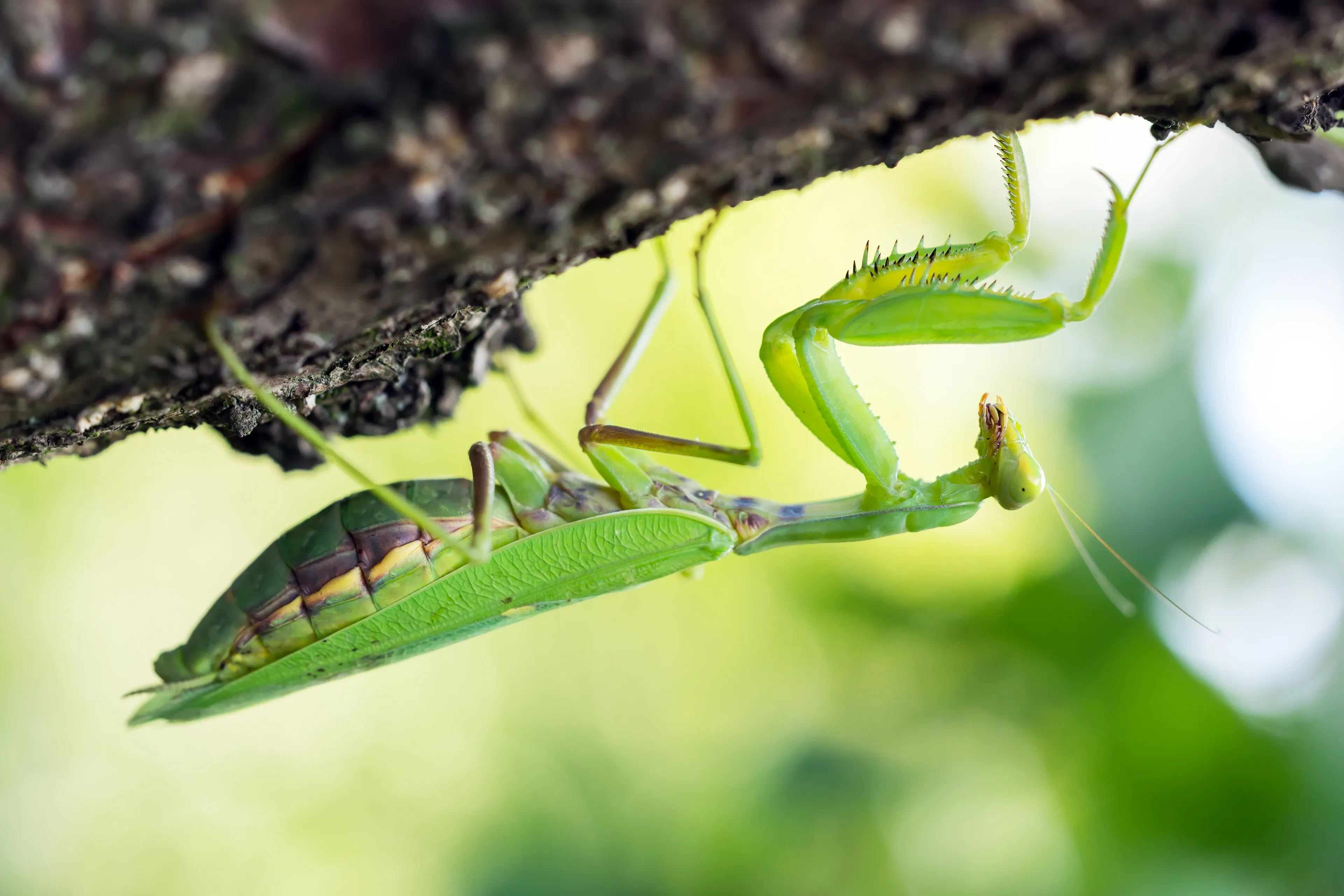 Real photograph
 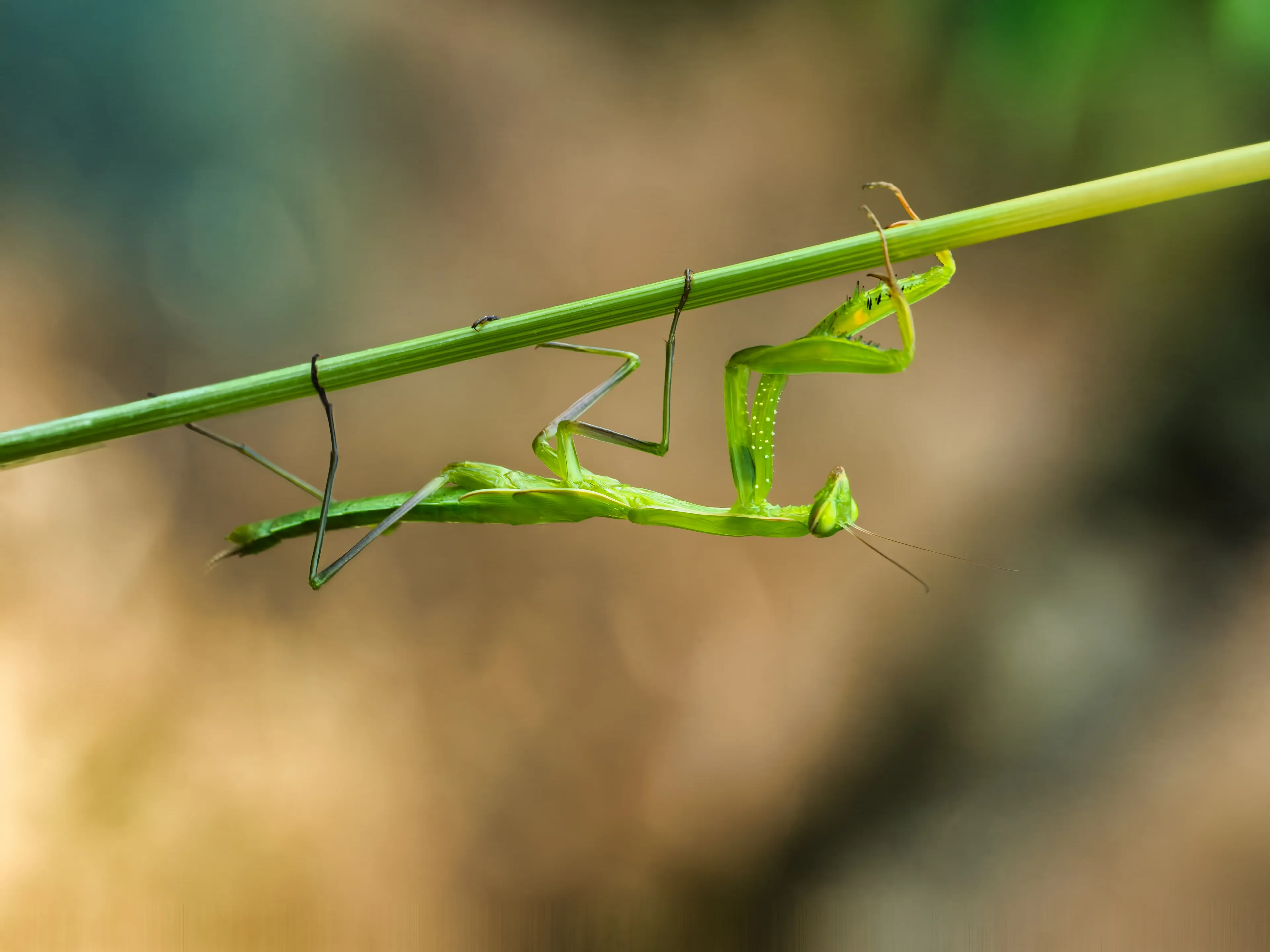 Real photograph
 Why we love them
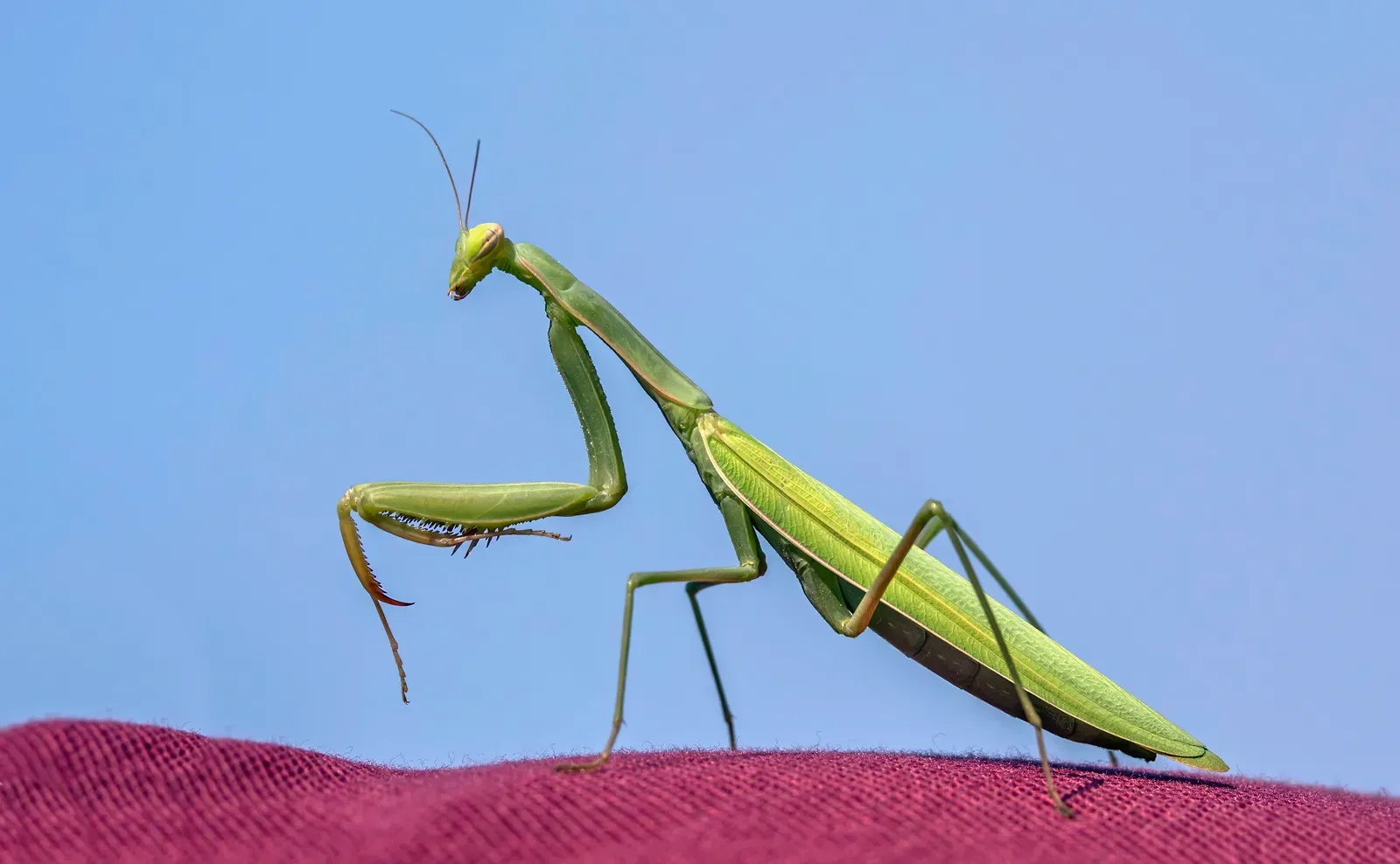
The European mantis is a slender, long-bodied insect with a small triangular head and two front legs it holds folded up in front of its chest. Because those folded legs look a little like hands pressed together, people say it looks as if the insect is praying, which is how the praying mantis got its name. A mantis can be leaf-green, straw-brown, or a soft yellowish colour.
One of the most amazing things about a mantis is its head. Unlike most insects, it can swivel its head from side to side and even look back over its shoulder. With two big eyes set on a bendy neck, it can watch almost all the way around itself without turning its body. It uses this wide view to keep track of everything happening in the grass and leaves nearby.
A mantis is a patient hunter. It stands very still on a plant, blending into the greenery, and waits for a smaller insect to wander close. Then, faster than you can blink, it reaches out with its spiny front legs and gently but firmly holds its catch. Grasshoppers, crickets, flies, and moths are all favourite meals. Staying hidden and still is how the mantis finds its food and keeps safe from hungry birds.
European mantises are found across Europe, Asia, and Africa, and they have also settled in North America. They love warm, sunny places with long grass and low bushes. In autumn, a female lays her eggs inside a frothy case that hardens into a tough, foamy pouch called an ootheca. This little case wraps the eggs up snugly and keeps them safe all through the cold winter.
When spring arrives and the air grows warm again, dozens of tiny mantis babies hatch out at once. They look just like their parents, only very small, and they can start hunting almost straight away. A mantis sheds its skin several times as it grows bigger and bigger. With their swivelling heads and folded front arms, mantises are one of the most curious and calm-looking insects you can meet in a summer garden.
My home
Grassland, meadow, shrubland, garden
Where I live
Africa, Asia, Europe, North America
What I eat
Grasshoppers, crickets, flies, moths
A European mantis can turn its head to look over its shoulder, something very few insects can do, which helps it watch the world all around itself.
It holds its strong front legs folded up as if praying, then reaches out in a flash to catch insects like grasshoppers and crickets.
Mantises come in green, brown, or yellowish colours that help them blend in among fresh leaves and dried grass.
Every european mantis can feel happy, scared and loved — just like you.
Looking after my friends
How many are there?
One European mantis egg case contains about 100–200 eggs.
This is one egg case, not a population estimate.
Estimate source: European mantis
How are they doing?
Lower extinction riskThis species has a lower global extinction risk right now. Local populations can still grow or shrink.
You can help by learning their names, keeping wild places clean, and telling someone why this animal matters.
Where this came from
- European mantis — Wikipedia
- Mantis religiosa — Classification — Animal Diversity Web (University of Michigan Museum of Zoology)
- Mantis religiosa (European Mantis) — Red List Assessment — IUCN Red List of Threatened Species