 ← All animals
 mammal · Sciurus vulgaris
Red squirrel
Gallery
6 photos Real photograph 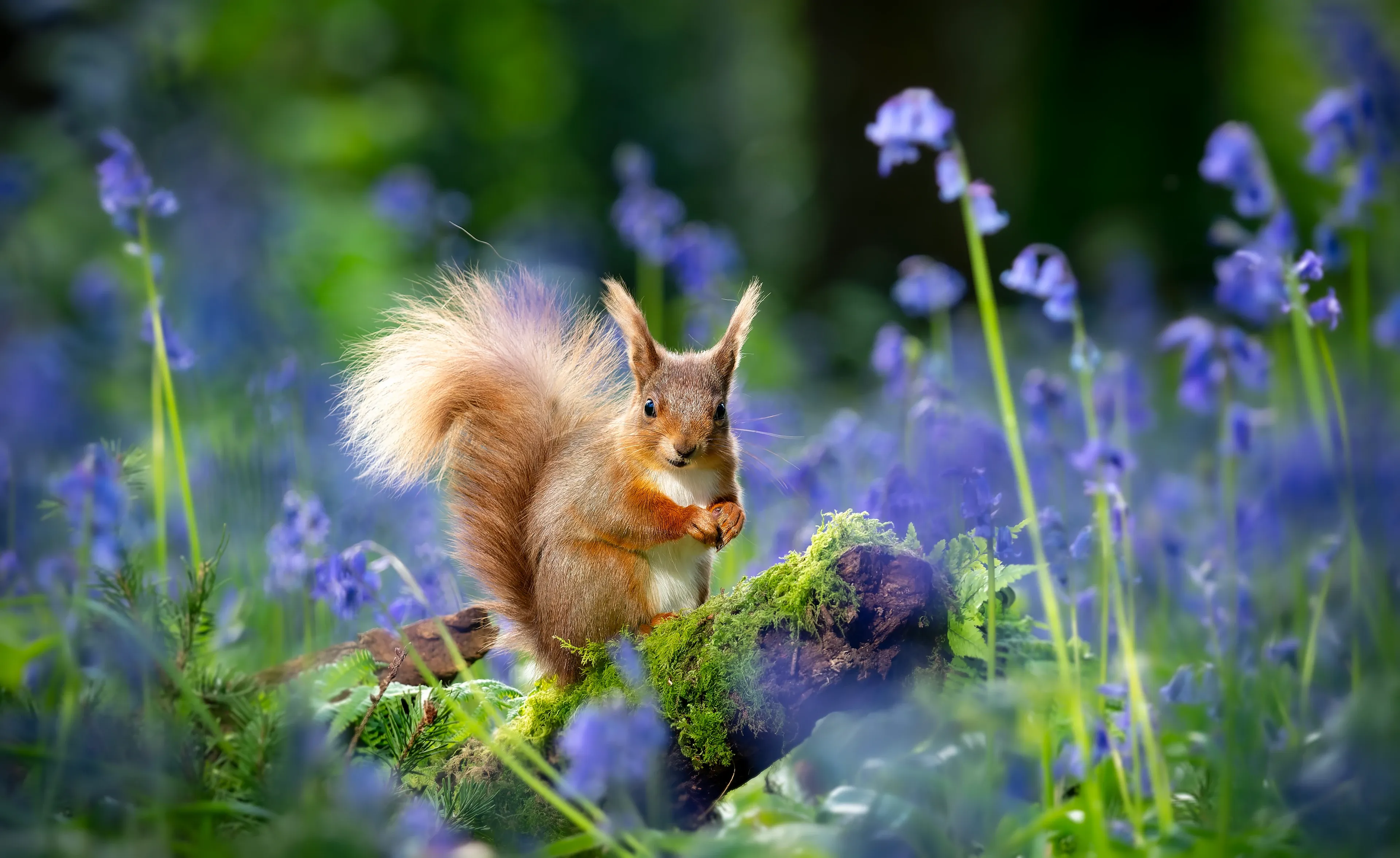 Real photograph
  Real photograph
  Real photograph
  Real photograph
  Real photograph
 Why we love them
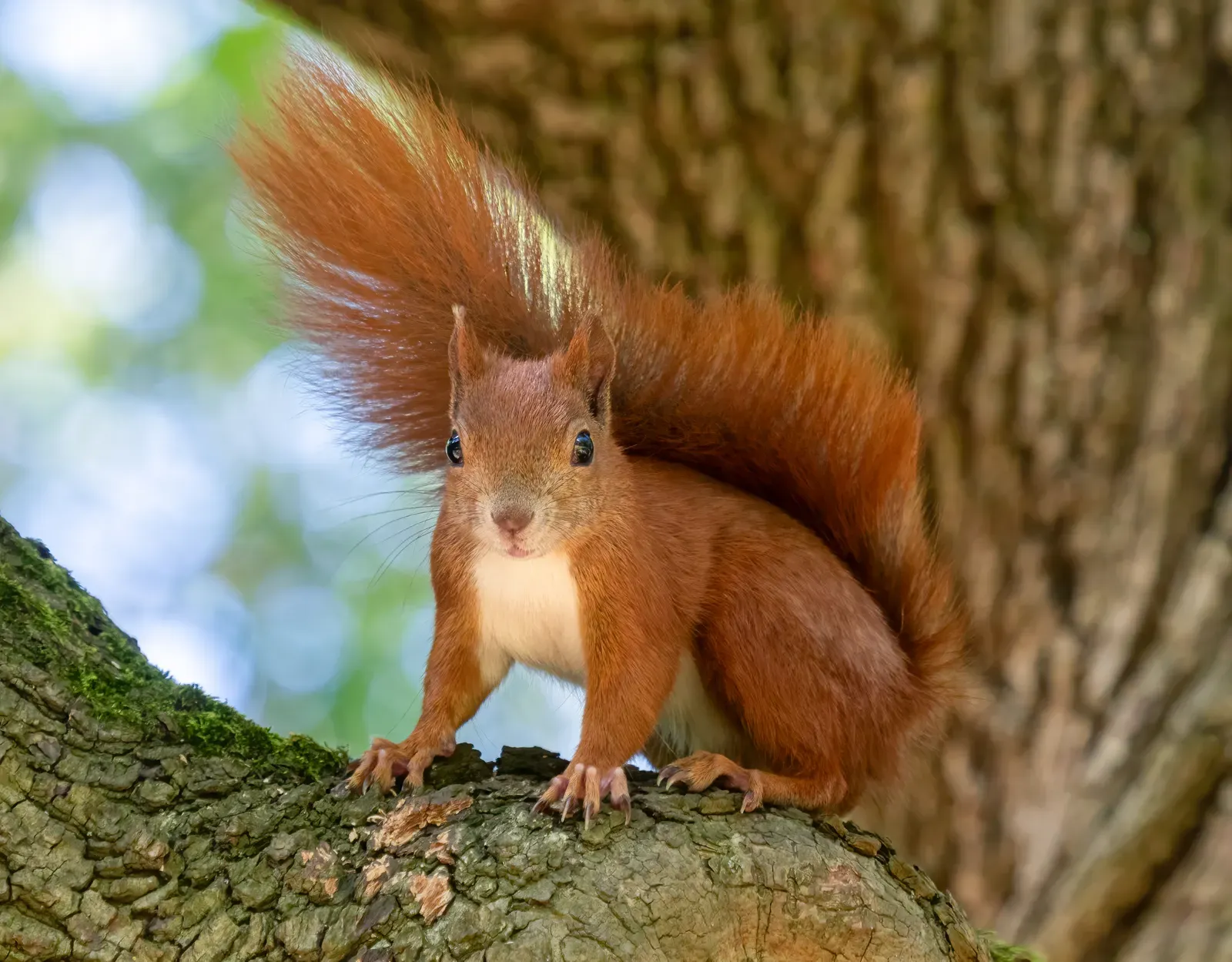
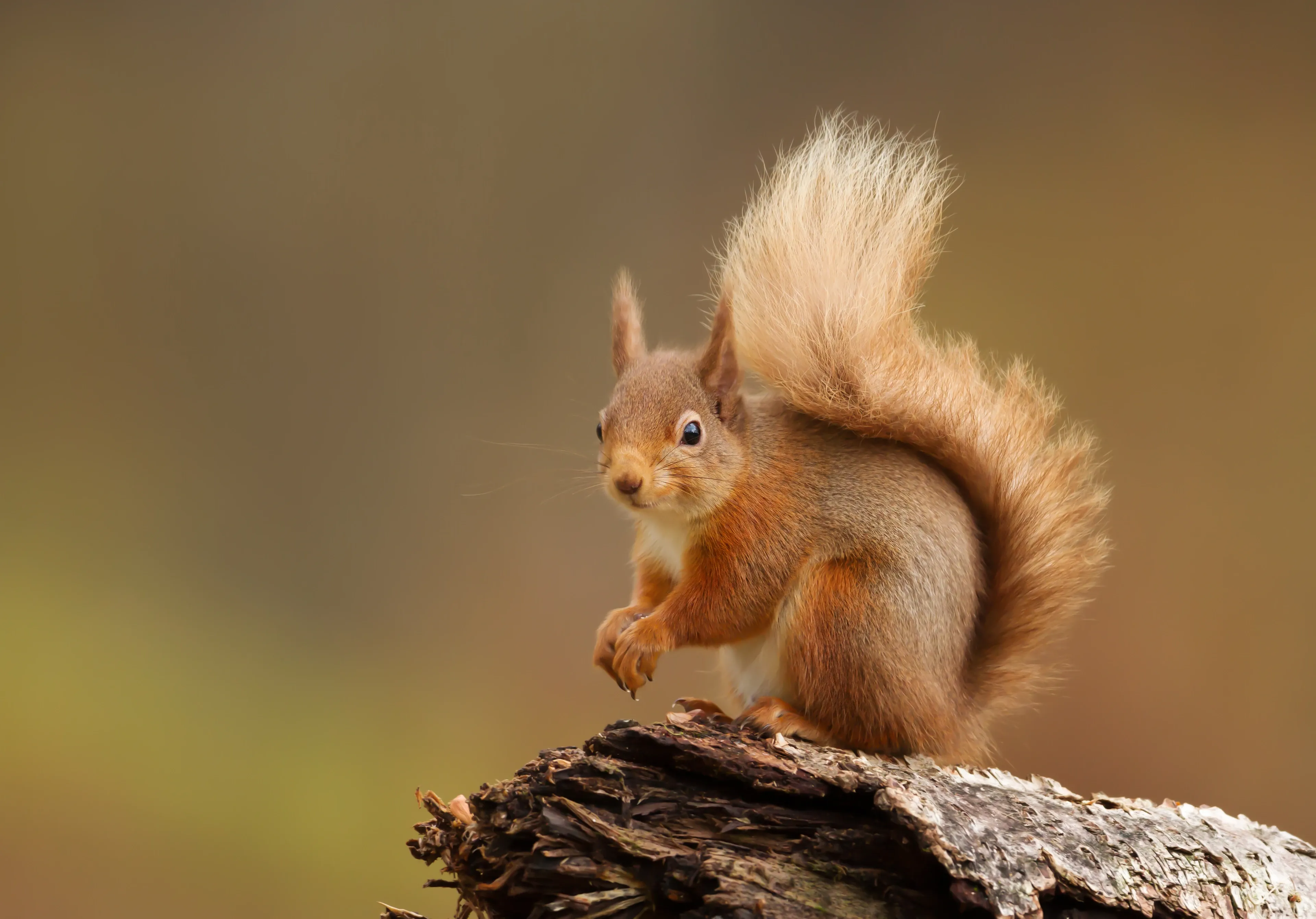
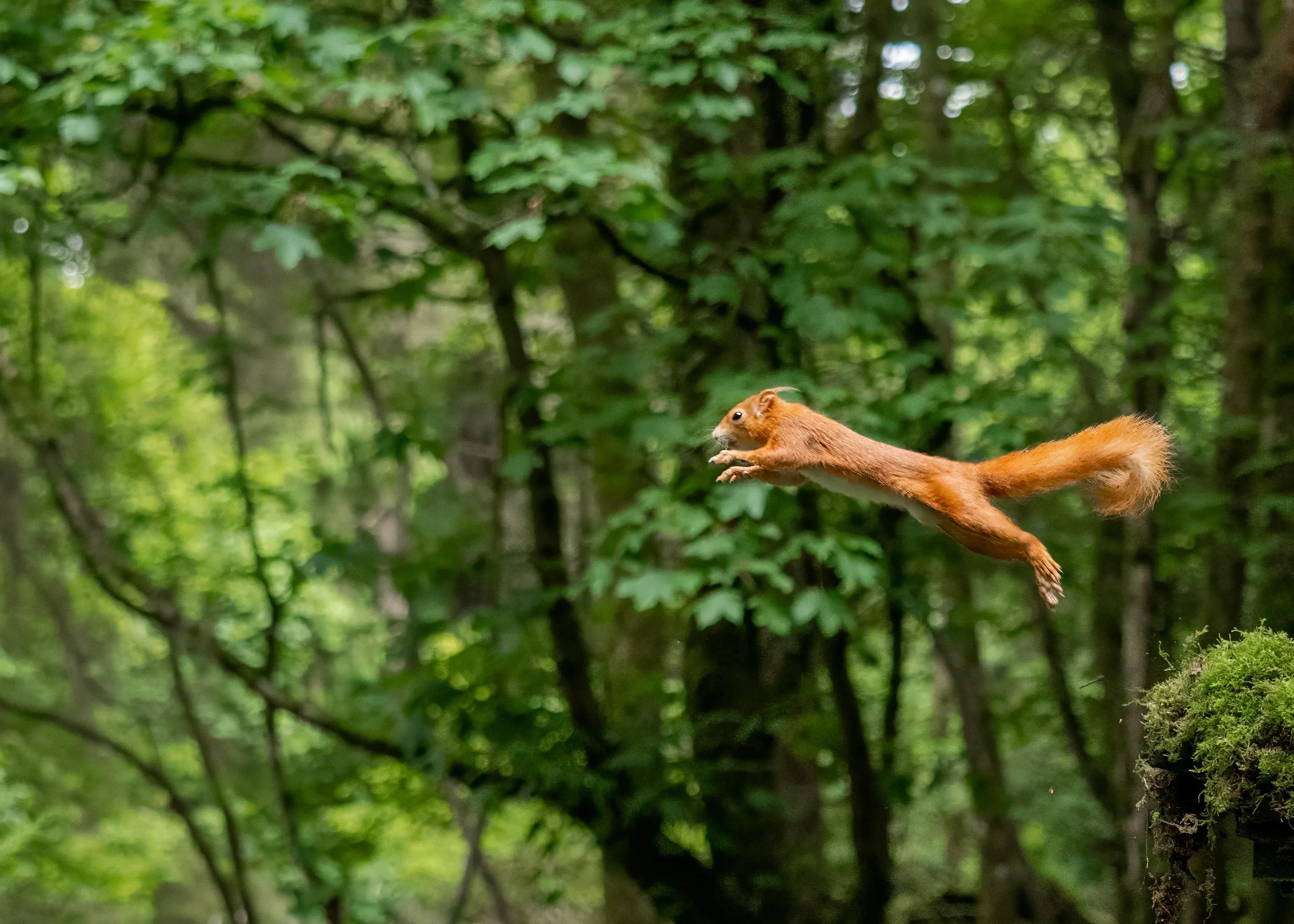
The red squirrel is a small, bright animal with a reddish coat, a creamy-white tummy, and a big fluffy tail. In winter it grows long, pointy tufts of fur on the tips of its ears, which make it look extra smart. Red squirrels live in the woods and forests of Europe and Asia.
Red squirrels are wonderful climbers and jumpers. They dash along branches and leap from tree to tree, using their long, fluffy tail to help them balance and steer. When the weather is cold, they can curl that same tail around themselves like a warm blanket.
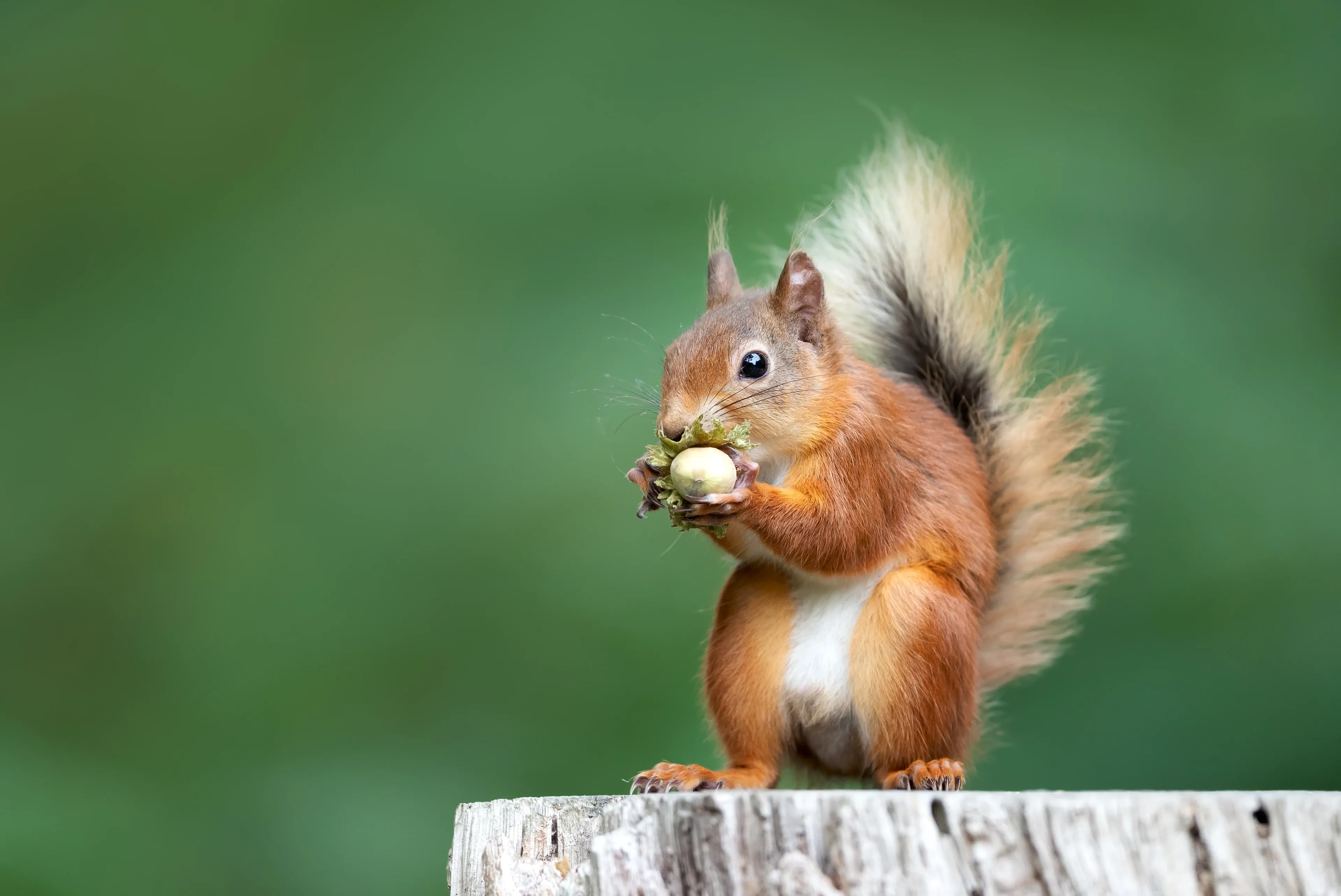
These squirrels love to eat the seeds tucked inside pine cones, along with nuts, acorns, berries, and mushrooms. They are famous for hiding food in the ground to save for later. In winter, when meals are hard to find, they use their sharp sense of smell to sniff out the treats they buried earlier.
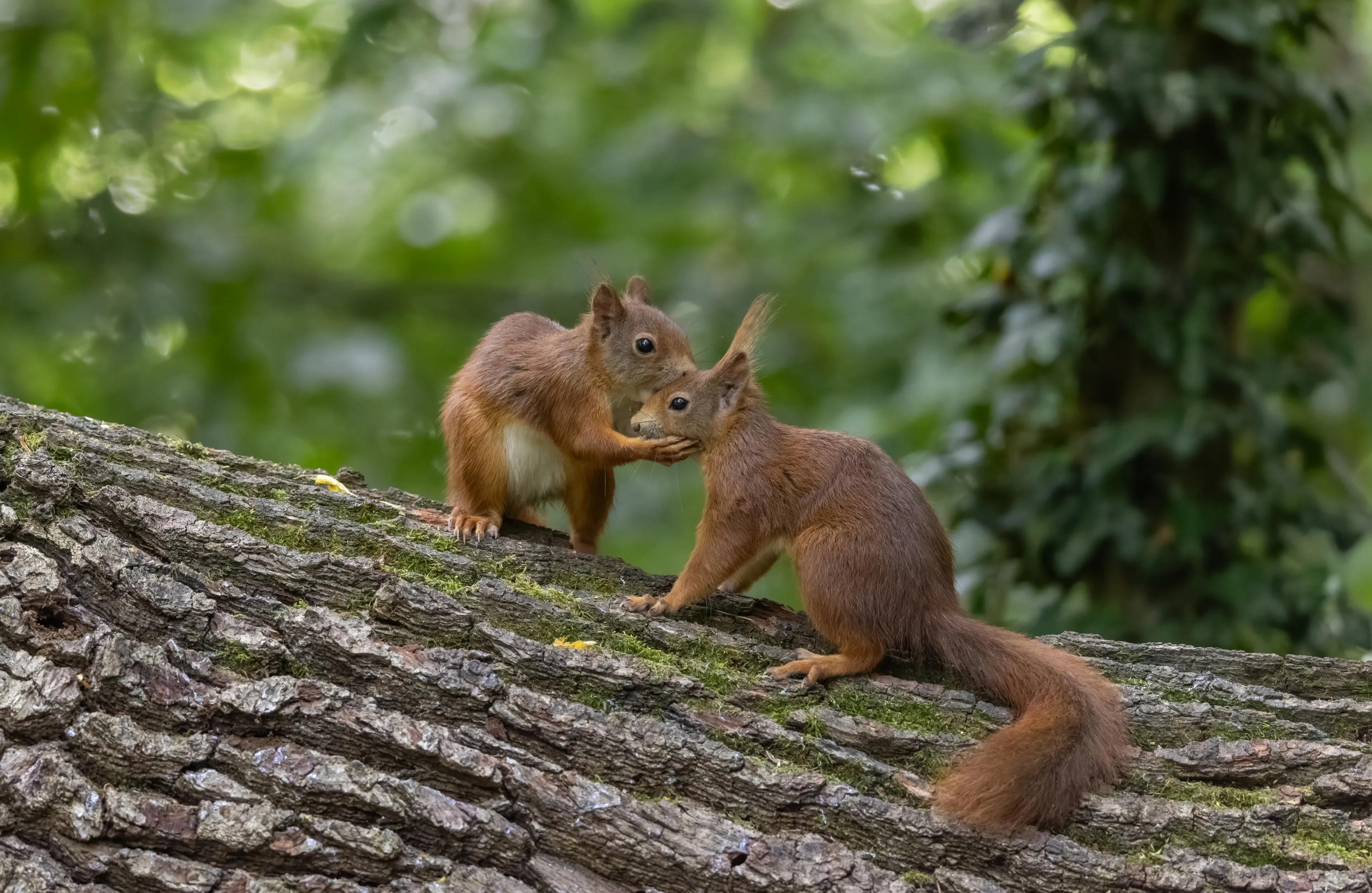
Red squirrels build cosy nests called dreys out of twigs, high up in the fork of a tree, and line them with soft moss and grass. A mother squirrel has her babies inside the drey. The tiny newborns are born blind and helpless, and she keeps them warm and safe until they are big enough to explore the branches.
In some places, such as parts of Britain, red squirrels have become harder to find. A bigger cousin from North America, the grey squirrel, moved in and now takes much of the food and space. Kind people are planting woodlands and looking after special safe places so these lovely red-furred squirrels can keep leaping through the trees.
My home
Forest, woodland, conifer forest
Where I live
Asia, Europe
What I eat
Conifer seeds, acorns, nuts, fungi, berries
How long I am
0.19–0.23 m
How heavy I am
0.25–0.34 kg
How long I live
3–7 years
Baby red squirrels are born blind and helpless in a cosy round nest of twigs called a drey, high up in a tree.
A red squirrel's fluffy tail helps it to balance and steer as it leaps from branch to branch, and it can wrap around like a blanket in the cold.
Red squirrels hide extra nuts and seeds in the ground to save for winter, and they use their good sense of smell to find them again later.
Every red squirrel can feel happy, scared and loved — just like you.
Looking after my friends
How many are there?
The United Kingdom is thought to have about 160,000 red squirrels or fewer, with roughly 120,000 in Scotland.
This is a national estimate, not the number across Europe and Asia.
Estimate source: Red squirrel
How are they doing?
Lower extinction riskThis species has a lower global extinction risk right now. Local populations can still grow or shrink.
You can help by learning their names, keeping wild places clean, and telling someone why this animal matters.
Where this came from
- Sciurus vulgaris (Red Squirrel) — Red List Assessment — IUCN Red List of Threatened Species
- Sciurus vulgaris (Eurasian red squirrel) — Animal Diversity Web, University of Michigan Museum of Zoology
- Red squirrel — Wikipedia