 ← All animals
 mammal · Manis pentadactyla
Pangolin
Gallery
7 photos Real photograph 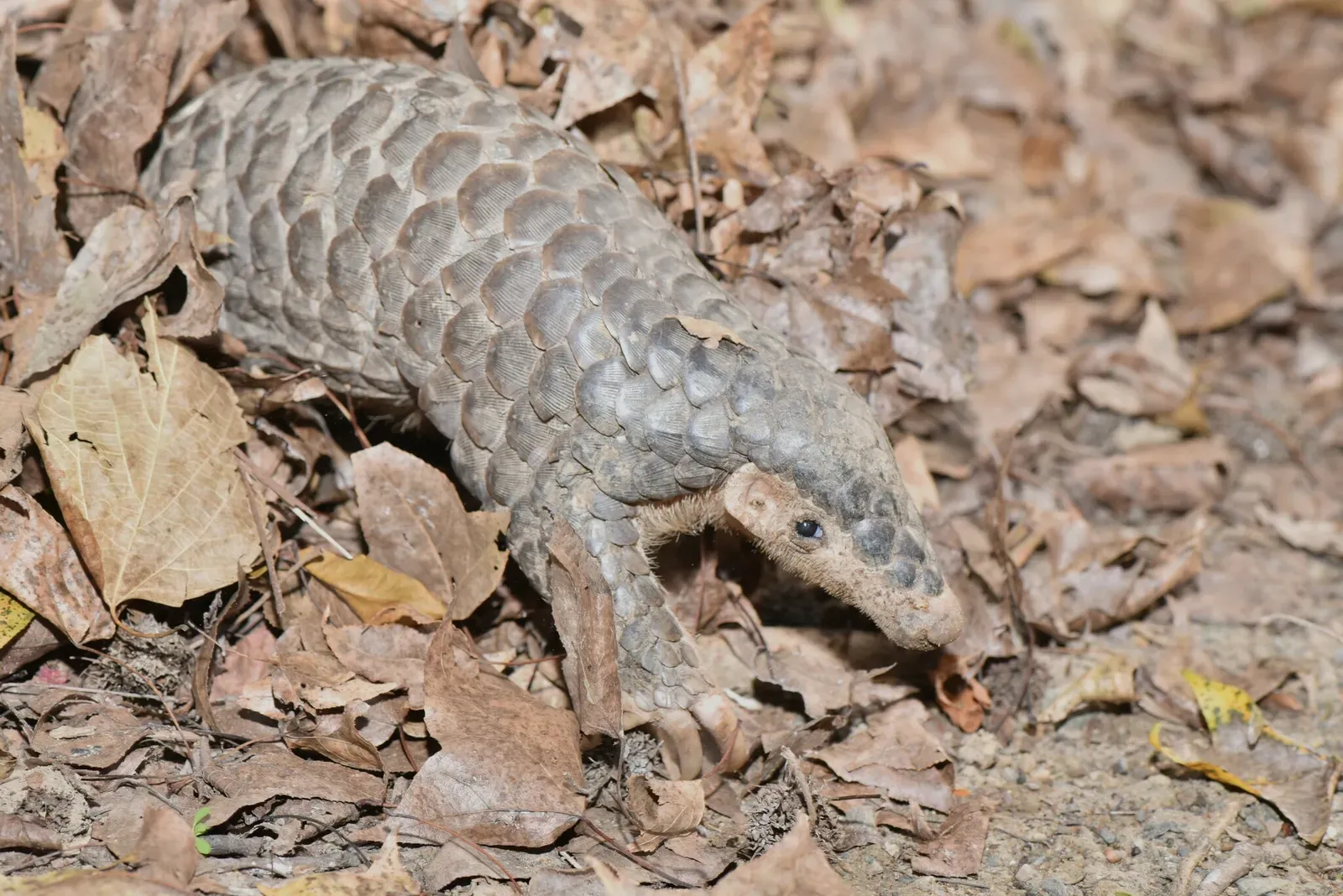 Real photograph
 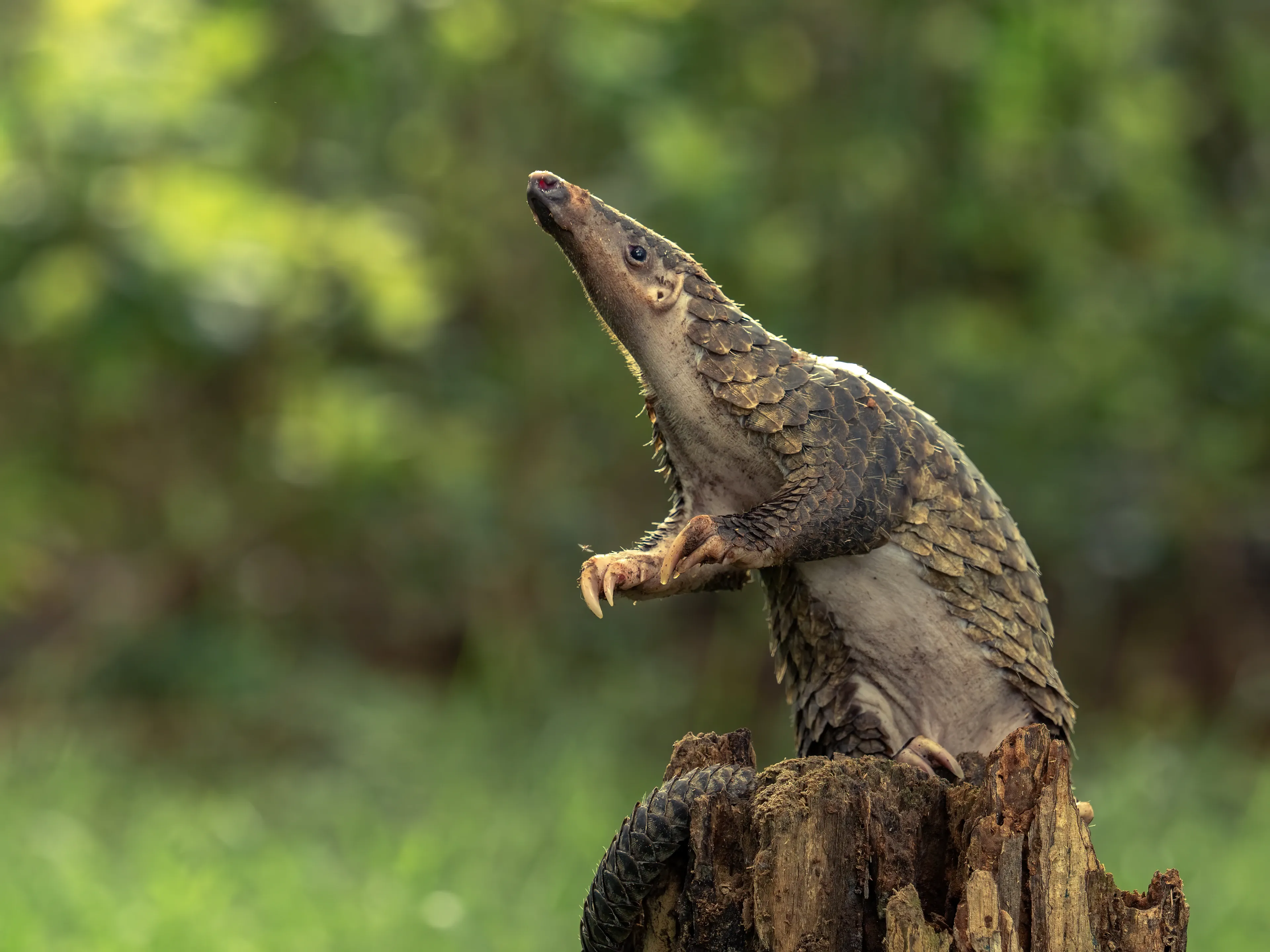 Real photograph
 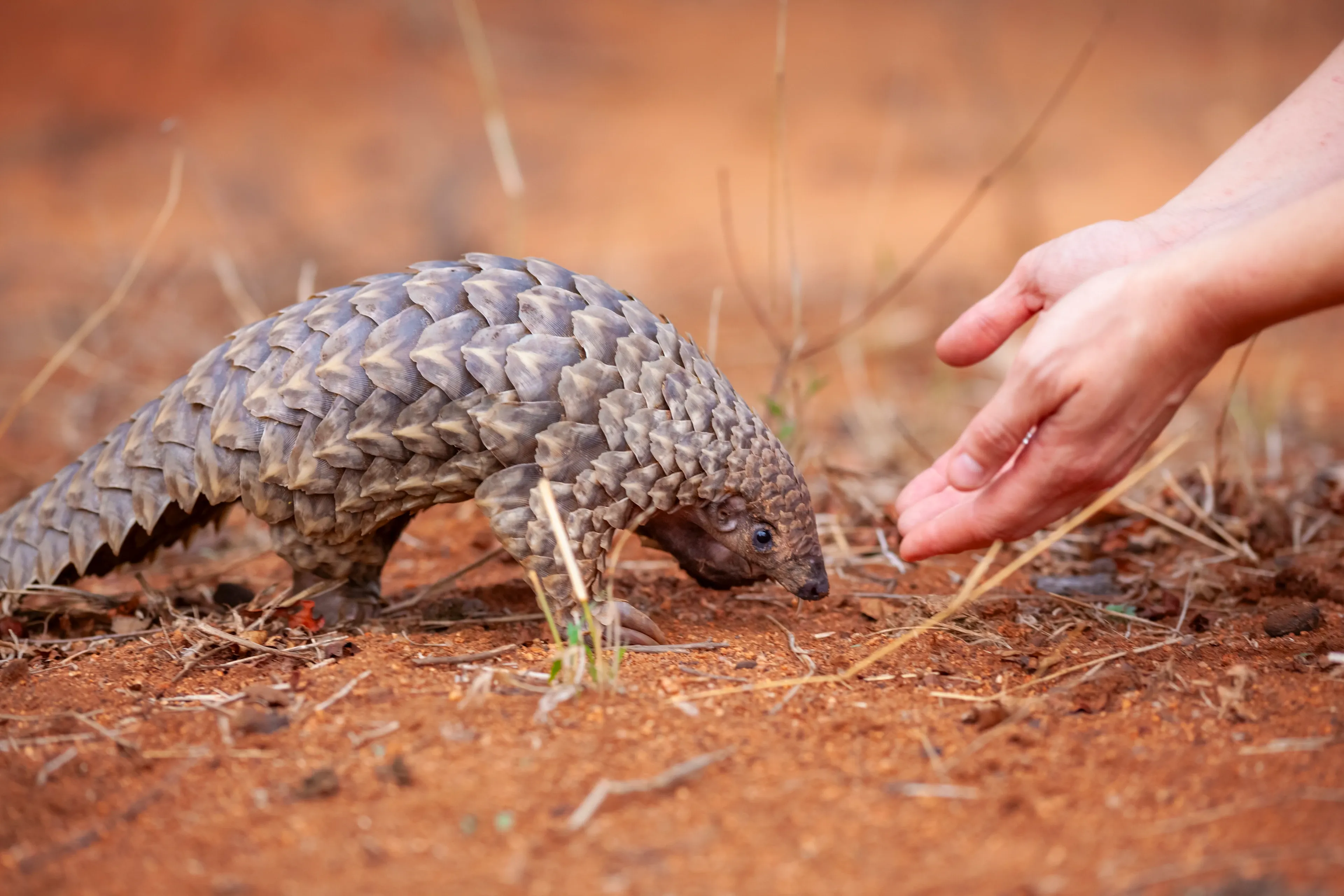 Real photograph
 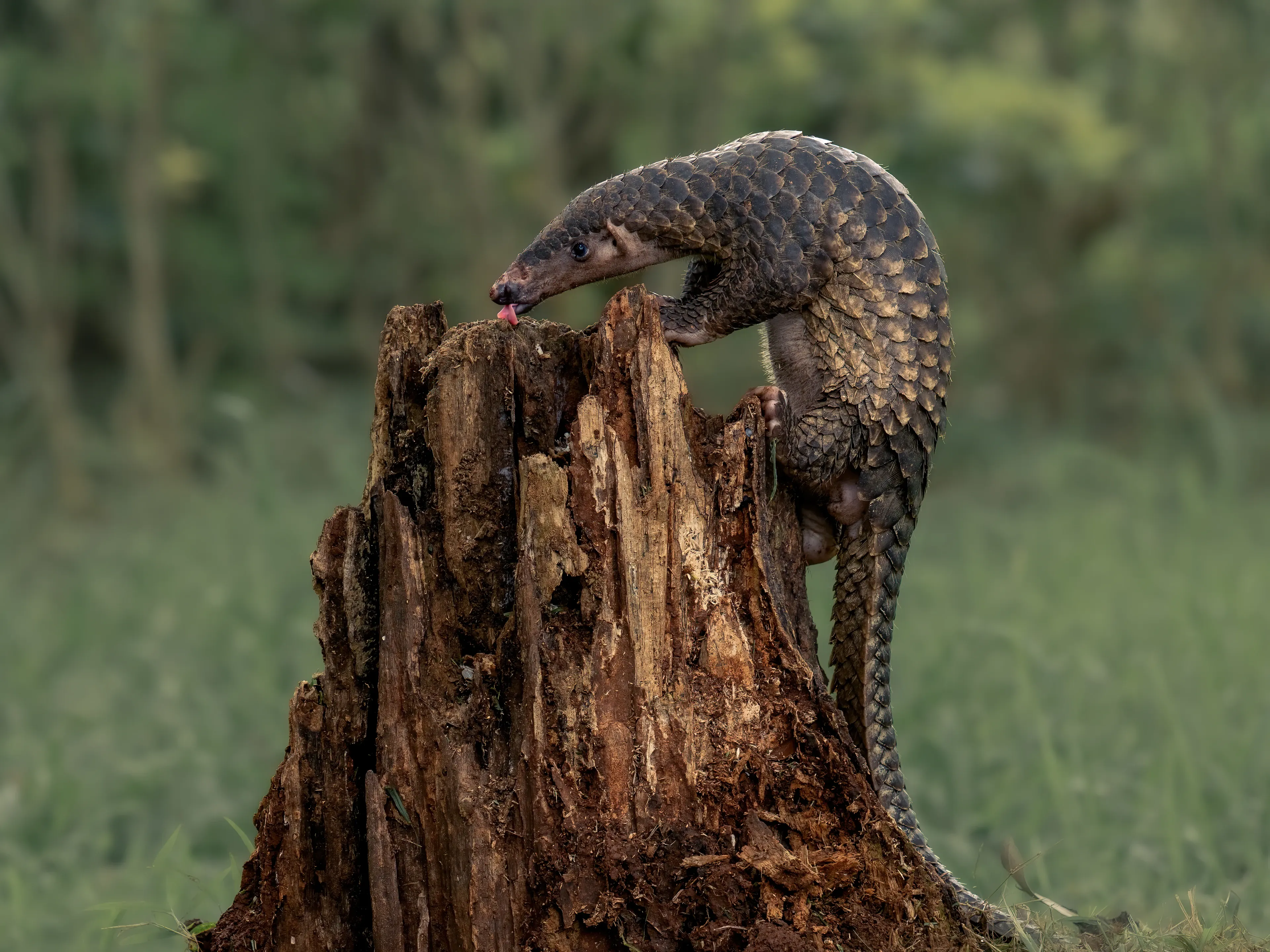 Real photograph
  Real photograph
  Real photograph
 Why we love them
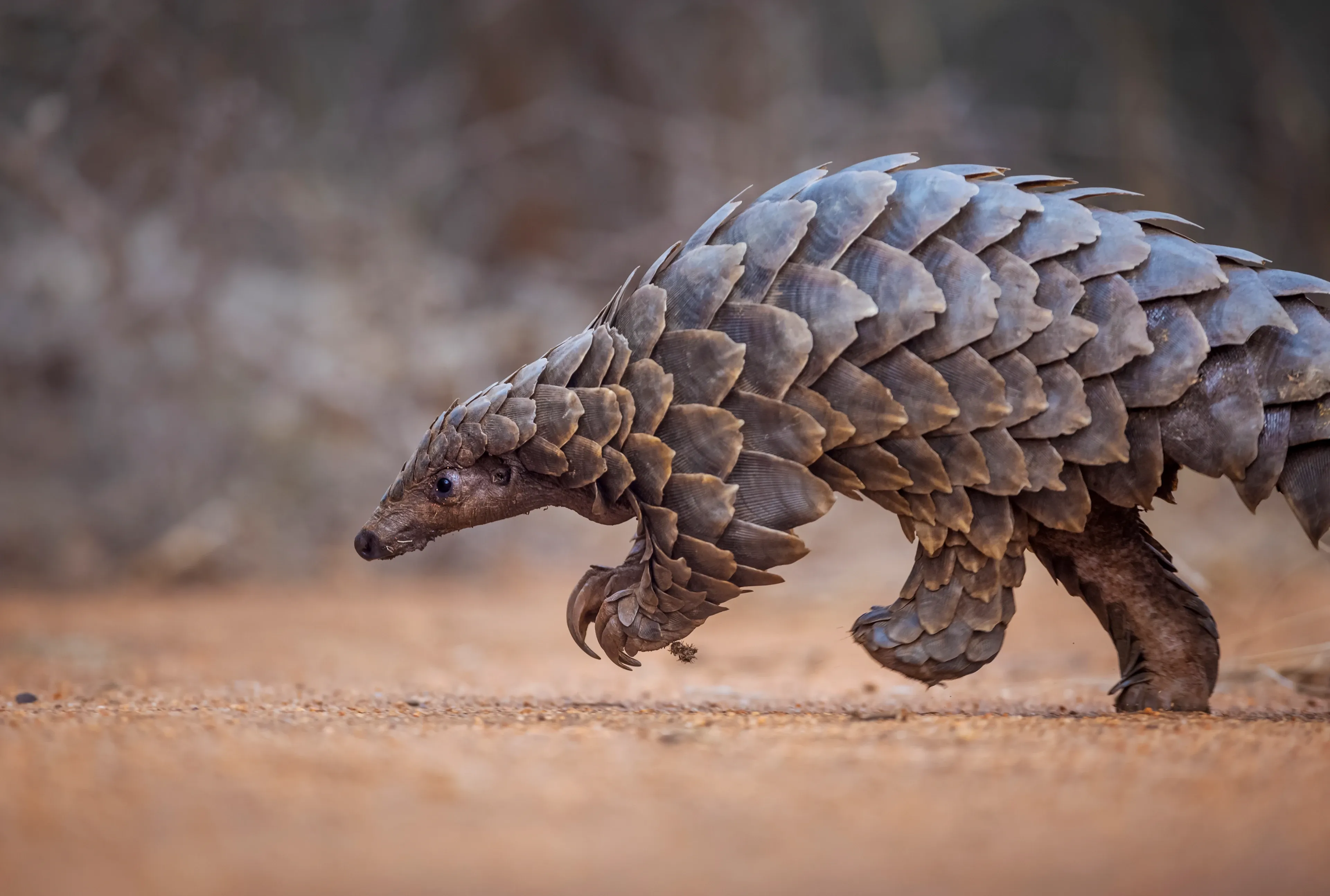
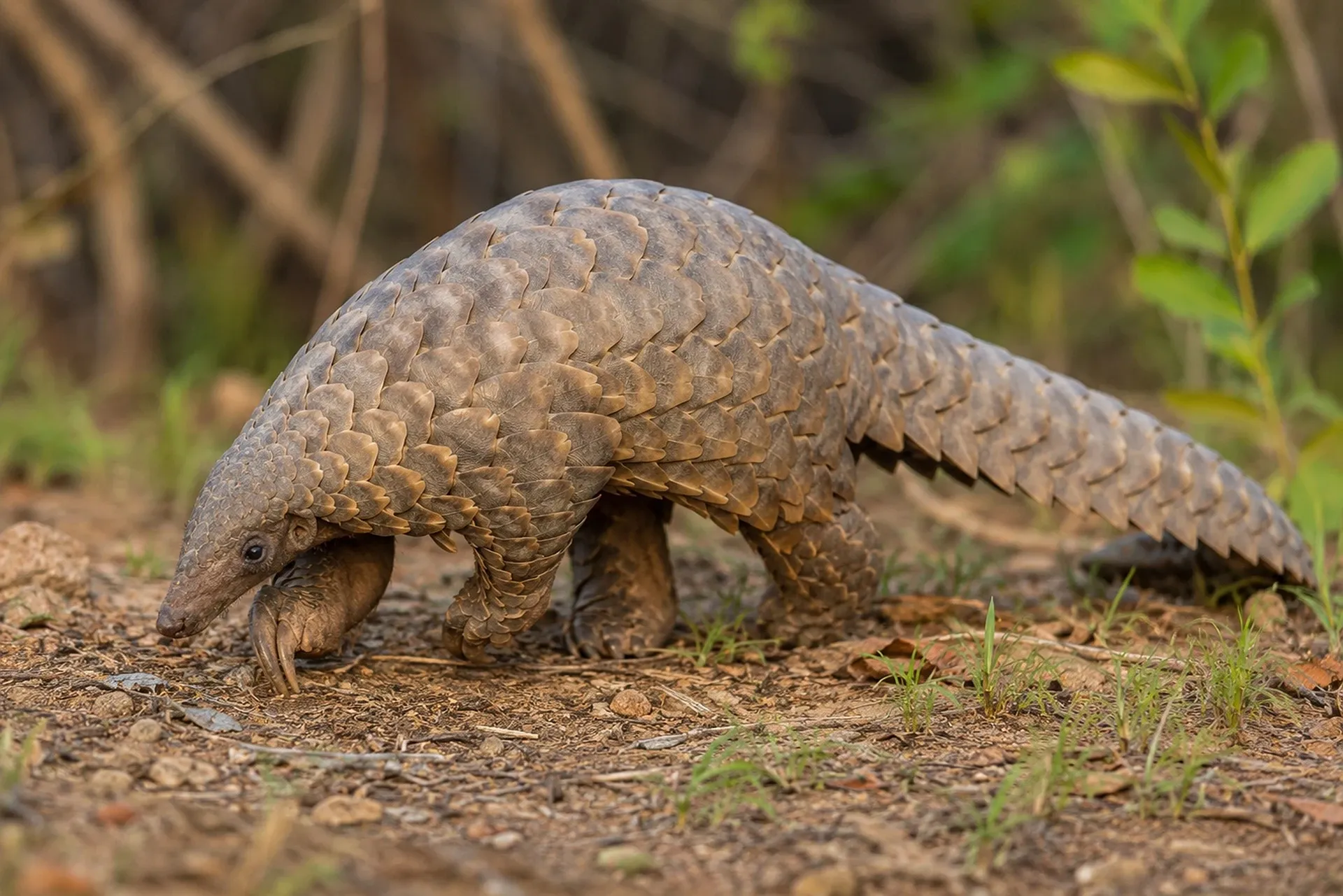
The pangolin is one of the most unusual animals on Earth. It is a gentle mammal whose whole body is covered in hard, overlapping scales, so it looks a little like a walking pine cone. There are eight kinds of pangolin in the world, four that live in Asia and four in Africa. The one in this story is the Chinese pangolin, which lives in the forests and grassy hills of Asia.
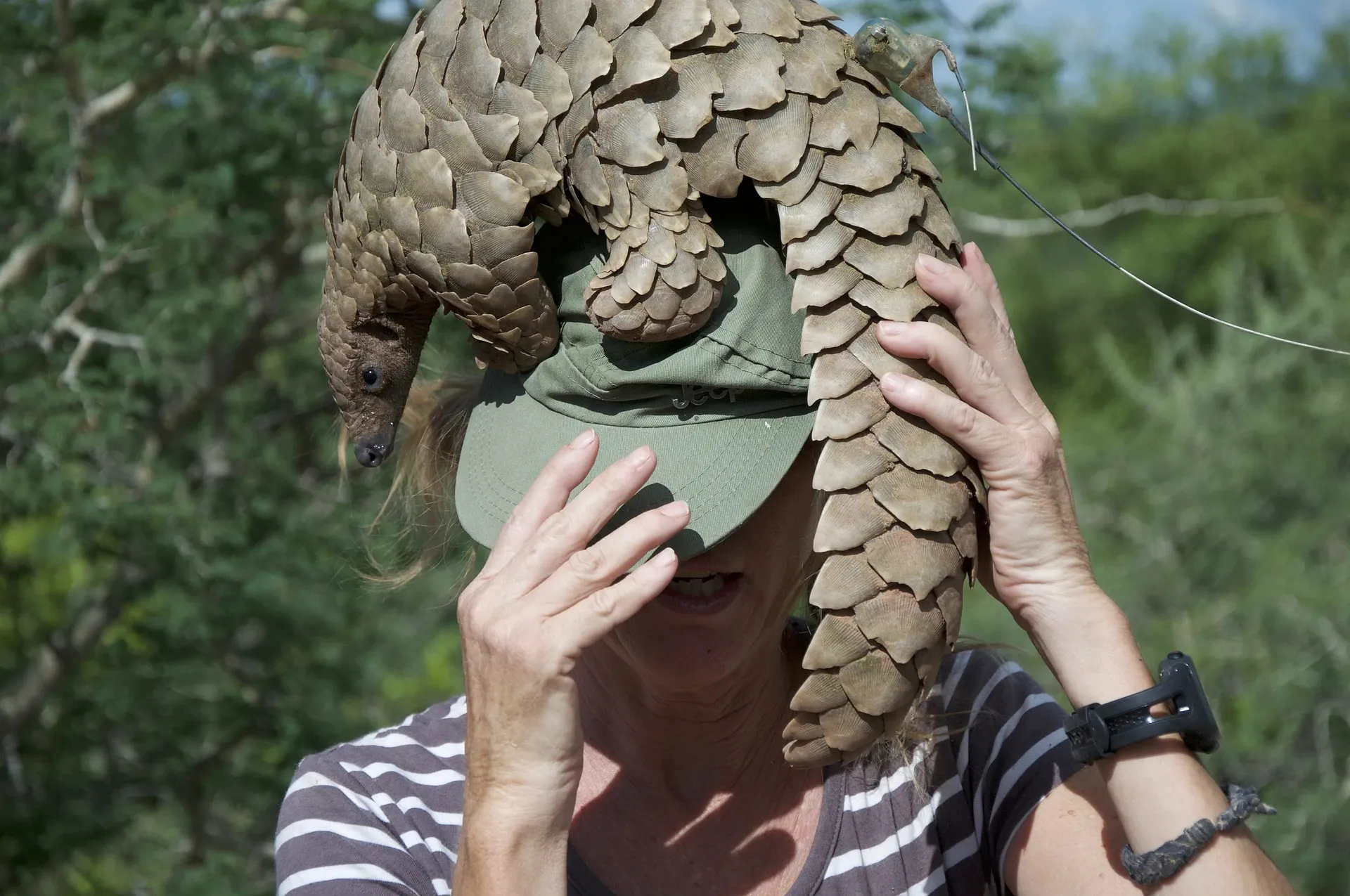
Those amazing scales are made of keratin, exactly the same material as your own fingernails and hair. A pangolin is the only mammal in the world that wears scales like this. When it feels frightened, it does something clever: it tucks in its head and rolls up into a tight, round ball. Its hard scales cover the outside and keep its soft tummy safe.
Pangolins love to eat ants and termites, and they are very good at finding them. A pangolin has no teeth at all. Instead, it has a long, sticky tongue, sometimes longer than its whole body, which it flicks deep into ant nests and termite mounds to scoop up its dinner. Its strong front claws help it dig into the ground.
Pangolins are quiet, shy animals that come out mostly at night. They have poor eyesight but a wonderful sense of smell. Some pangolins even have a special curly tail that can grip branches, helping them climb, and they dig cosy burrows in the ground to sleep in during the day.
Sadly, the Chinese pangolin is in great danger and there are very few left in the wild. Too many have been taken by people who want their scales and meat. Lots of kind people around the world are now working to protect pangolins, guard the places they live, and stop them from being taken, so these special scaly animals can be safe.
My home
Forest, grassland, bamboo forest
Where I live
Asia
What I eat
Ants, termites
How long I am
0.65–0.96 m
How heavy I am
2–7 kg
A pangolin is the only mammal in the world covered in hard scales, and those scales are made of keratin, the very same stuff as your fingernails and hair.
When a pangolin feels worried, it curls up into a tight, round ball so its tough scales protect its soft tummy, a bit like a pine cone or a scaly armadillo.
Pangolins have no teeth at all, so they slurp up ants and termites with a long, sticky tongue that can be longer than their own body.
Every pangolin can feel happy, scared and loved — just like you.
Looking after my friends
How many are there?
A Chinese pangolin usually gives birth to 1 pup at a time.
This is one birth, not a population estimate.
Estimate source: Manis pentadactyla (Chinese pangolin)
How are they doing?
Critically endangeredThis species has an extremely high risk of extinction in the wild, and urgent conservation work is important.
You can help by learning their names, keeping wild places clean, and telling someone why this animal matters.
Where this came from
- Manis pentadactyla (Chinese Pangolin) — Red List Assessment — IUCN Red List of Threatened Species
- Manis pentadactyla (Chinese pangolin) — Animal Diversity Web, University of Michigan Museum of Zoology
- Chinese pangolin — Wikipedia (English)