 ← All animals
 mollusc · Cornu aspersum
Garden snail
Gallery
2 photos Real photograph 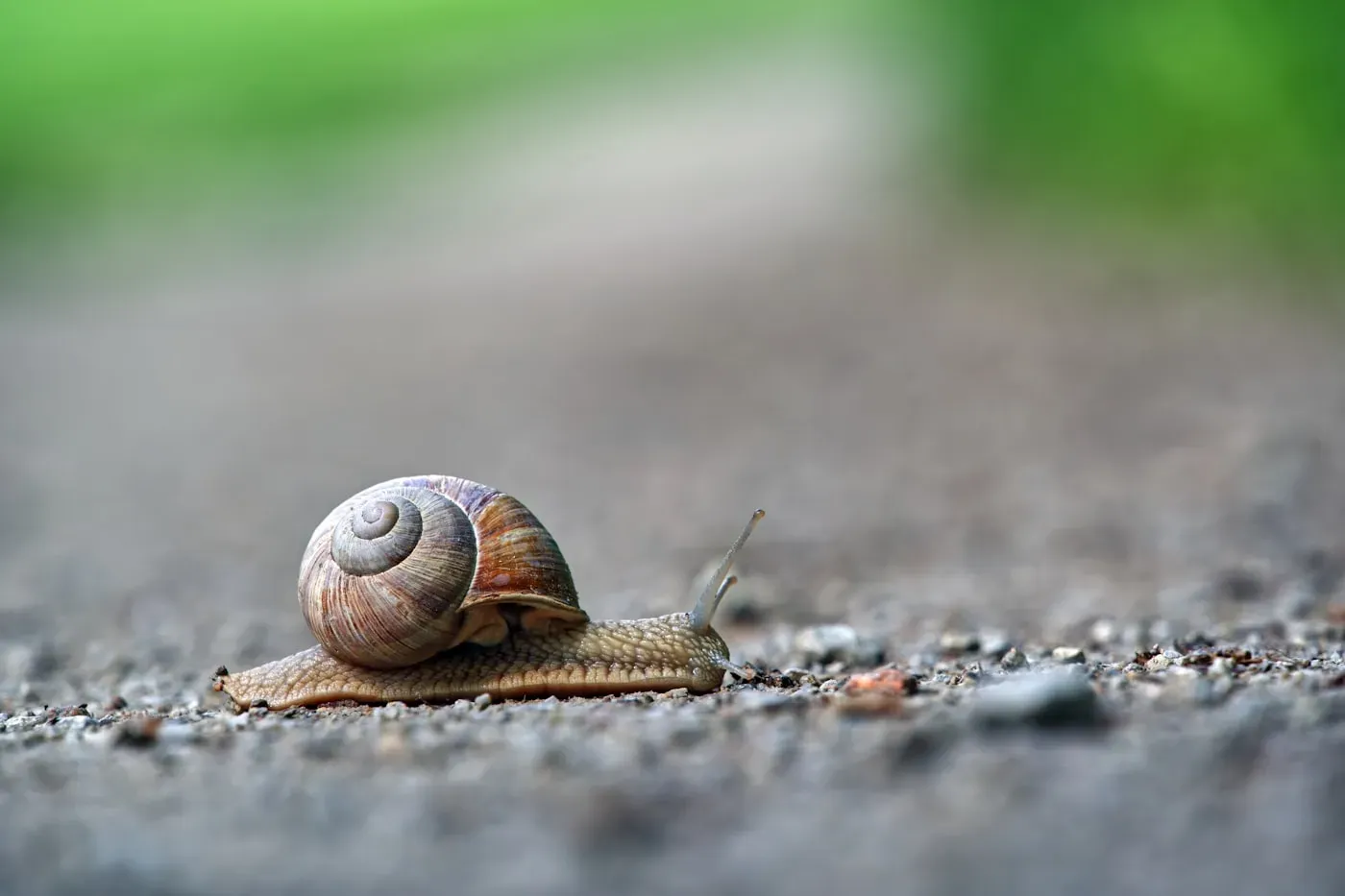 Real photograph
 Why we love them
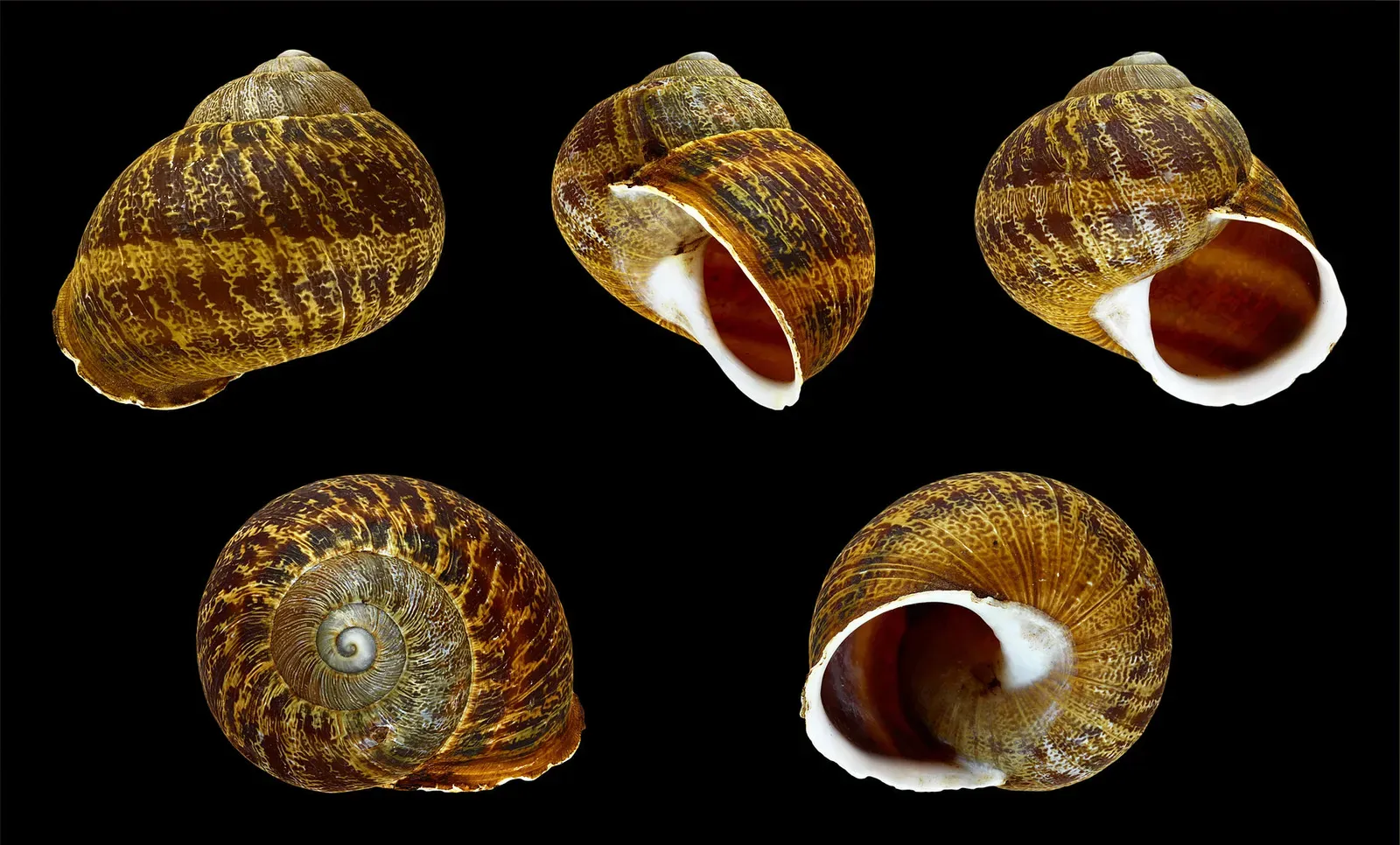
The garden snail is a small, soft creature that carries its home on its back. Its shell is curled into a neat spiral, and the snail can tuck its whole body inside to stay safe and cosy.
A snail moves by gliding on one big, muscly foot. As it goes it lays down a trail of slippery slime to help it slide along — and that is why you can see a shiny line wherever a snail has travelled.
Garden snails come out mostly at night and after rain, when the ground is soft and damp. They nibble leaves, flowers, and fruit, so gardeners often find them munching the plants and think of them as little pests.
When the weather turns very hot and dry, or very cold, a snail hides inside its shell and seals the door with a thin, dry lid of dried slime until kinder days come. Every garden snail is both a mother and a father, so any two grown-up snails can lay little round eggs in the soil.
You can find garden snails in gardens, hedges, and parks in many parts of the world. Slow and gentle, a snail is a friendly little creature to watch on a rainy day.
My home
Gardens, hedgerows, woodland, grassland, parks
Where I live
Africa, Europe, North America
What I eat
Leaves, flowers, fruit, garden plants
How long I am
0.025–0.04 m
A garden snail carries its home on its back and can pull its whole body inside to stay safe.
It glides along on a trail of slippery slime, which is why it leaves a shiny line behind.
Every garden snail is both a mother and a father, so any two grown snails can lay eggs.
Every garden snail can feel happy, scared and loved — just like you.
Looking after my friends
How many are there?
A brown garden snail lays about 80 eggs in one batch and may lay up to 6 batches a year.
This is egg production by one snail, not a population estimate.
Estimate source: Snails and Slugs — Pest Notes (Cornu aspersum, brown garden snail)
How are they doing?
Lower extinction riskThis species has a lower global extinction risk right now. Local populations can still grow or shrink.
You can help by learning their names, keeping wild places clean, and telling someone why this animal matters.
Where this came from
- Cornu aspersum (Garden Snail) — IUCN Red List status — IUCN Red List of Threatened Species
- Snails and Slugs — Pest Notes (Cornu aspersum, brown garden snail) — University of California Statewide Integrated Pest Management Program (UC IPM)
- Cornu aspersum — Wikipedia — Wikipedia