 ← All animals
 bird · Aptenodytes forsteri
Emperor penguin
Gallery
4 photos Real photograph 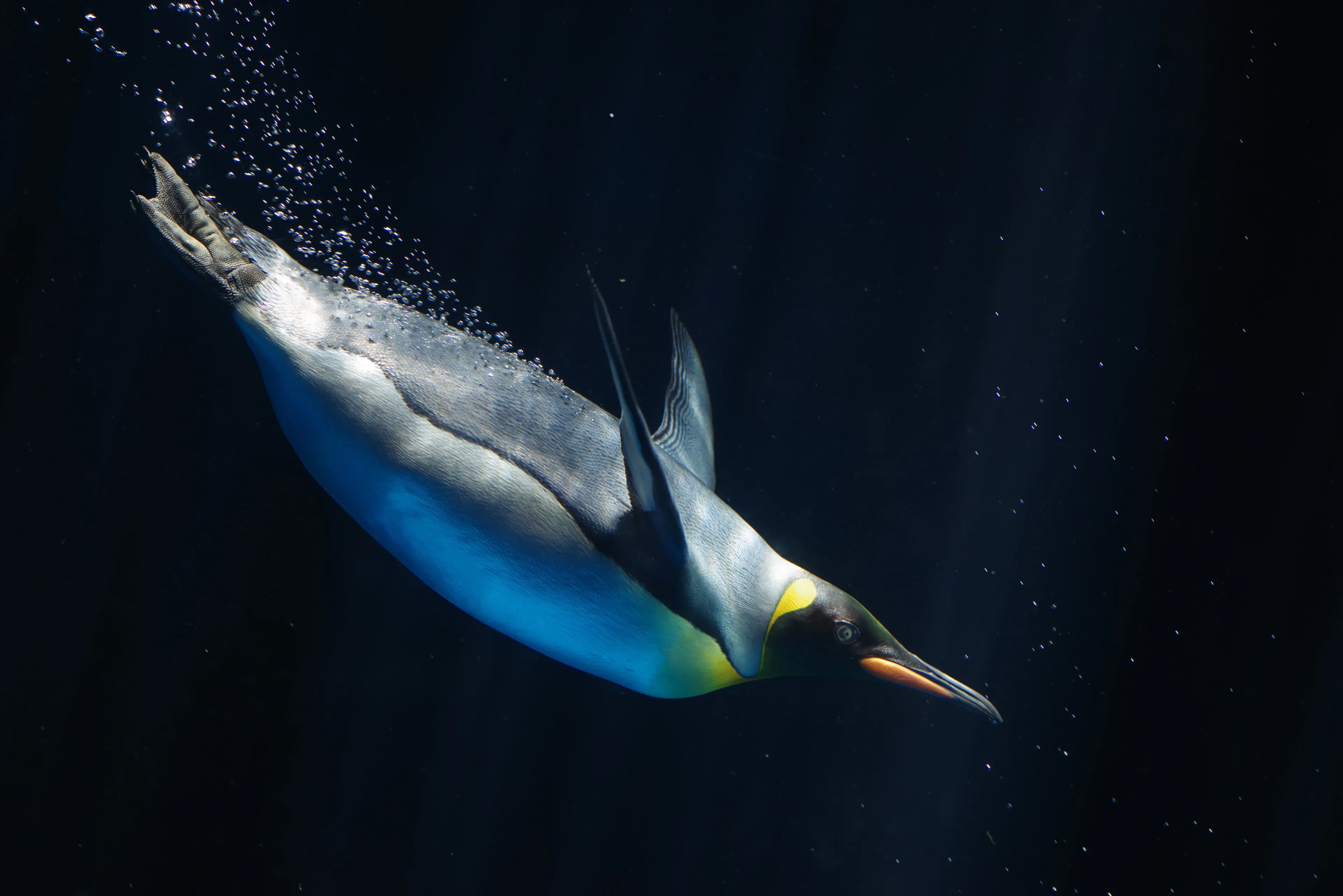 Real photograph
  Real photograph
  Real photograph
 Why we love them
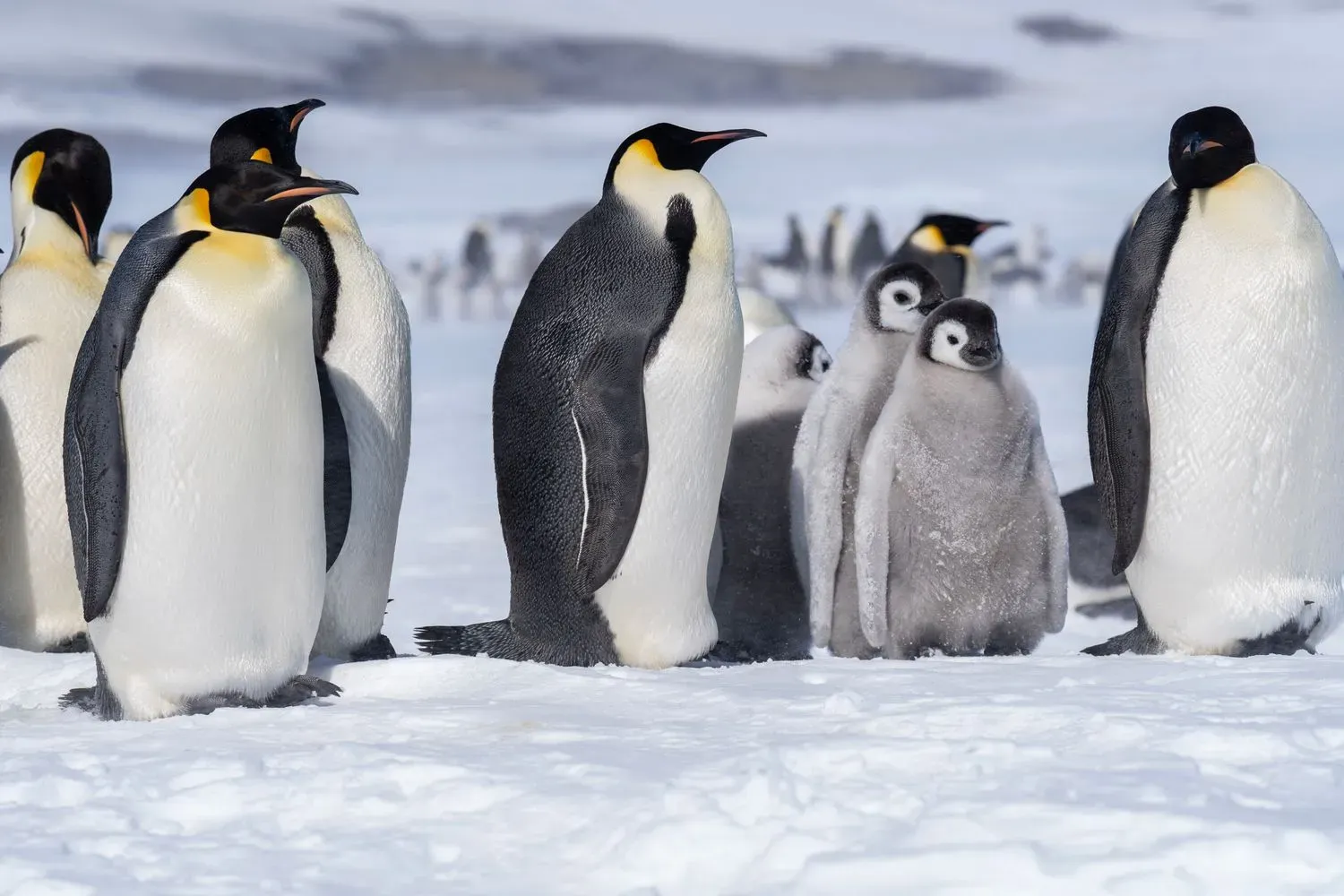
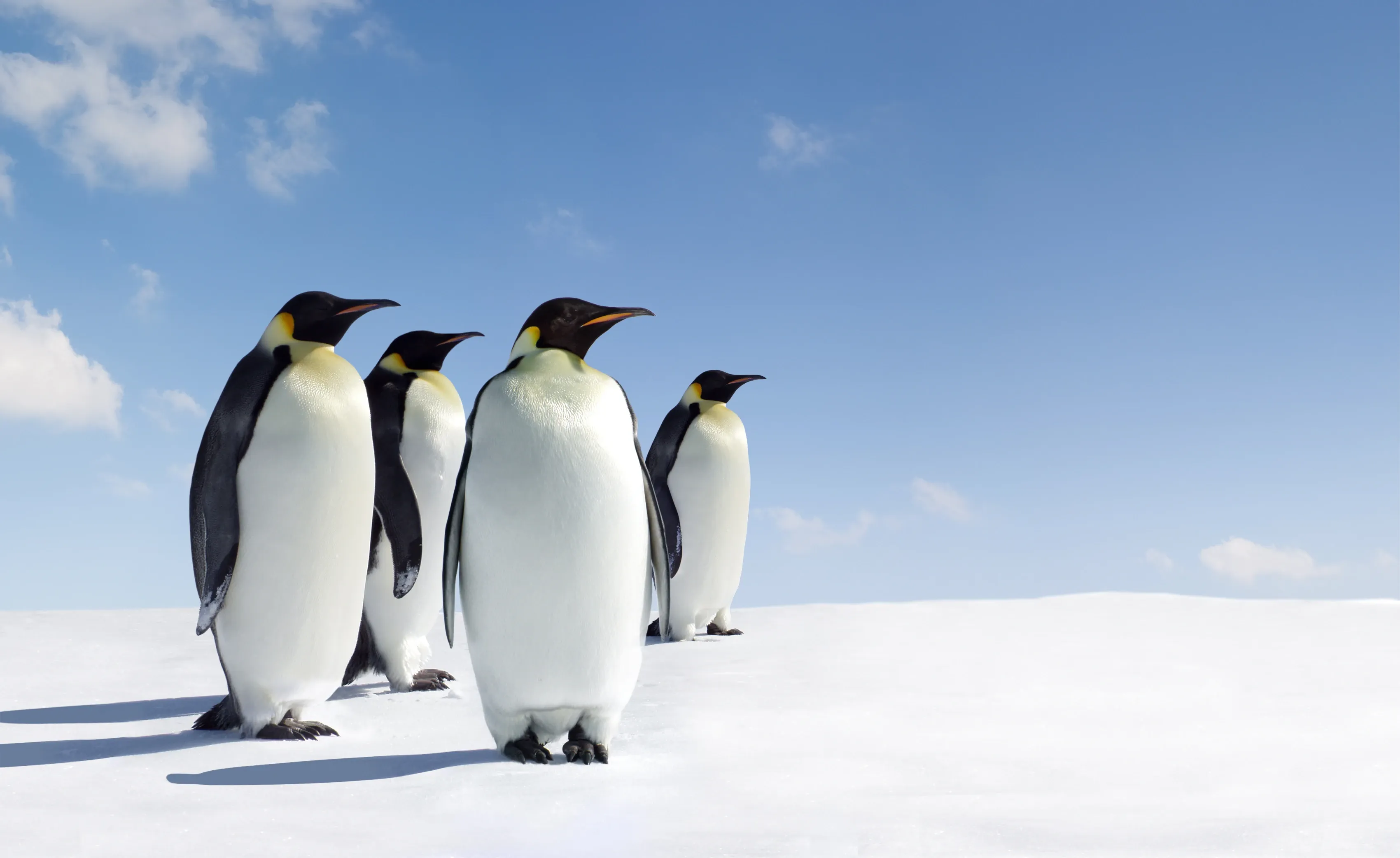
The emperor penguin is the biggest penguin in the world. Standing about as tall as a five-year-old child, it has a smart black-and-white coat with a splash of soft yellow near its ears and neck. Emperor penguins live in Antarctica, the coldest place on Earth.
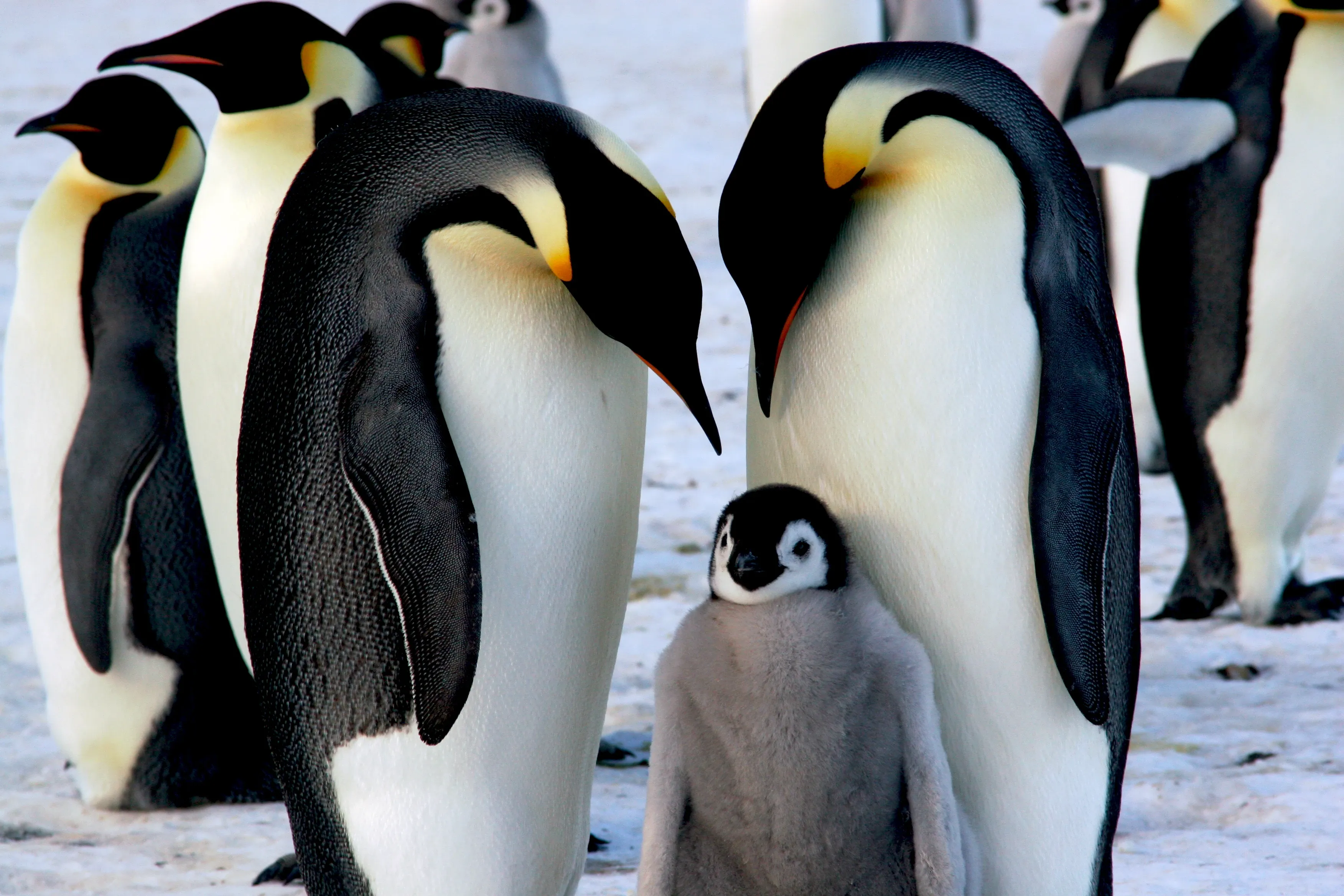
These penguins do something no other animal does: they raise their chicks during the dark Antarctic winter, when the weather is at its wildest. To keep warm, whole groups of penguins shuffle close together in a big huddle, taking turns to stand on the chilly outside and warm up in the cosy middle.
Emperor penguin fathers are wonderful parents. After the mother lays one egg, the father balances it on top of his feet and tucks it under a warm flap of skin. He holds it there for weeks without eating while the mother travels to the sea to feed. When she returns, the parents take turns caring for their fluffy chick.
Under the water, emperor penguins turn into speedy swimmers. Their wings work like flippers to push them along as they chase fish, krill, and squid. They are the deepest-diving birds of all and can plunge down more than 500 metres, holding their breath for many minutes before coming back up for air.
Life is getting harder for emperor penguins because the sea ice they need is melting as the world grows warmer. They rest and raise their families on this ice, so scientists are watching them carefully and studying how to protect the frozen home these remarkable birds depend on.
My home
Antarctic sea ice, coastal antarctica, southern ocean
Where I live
Antarctica
What I eat
Fish, Antarctic silverfish, krill, squid
How heavy I am
22–45 kg
How long I live
15–20 years
Emperor penguins are the only animals that raise their babies right through the freezing Antarctic winter.
The father keeps the egg warm by balancing it on his feet under a cosy fold of skin while the mother goes to sea to find food.
These penguins are amazing divers and can go deeper than any other bird, reaching more than 500 metres below the surface.
Every emperor penguin can feel happy, scared and loved — just like you.
Looking after my friends
How many are there?
Scientists estimate about 625,000–650,000 emperor penguins across Antarctica.
This satellite-informed estimate includes adults and young birds across about 61 breeding colonies.
Estimate source: Emperor Penguin Gets Endangered Species Act Protections
How are they doing?
EndangeredThis species has a very high risk of extinction in the wild, so protecting it matters greatly.
You can help by learning their names, keeping wild places clean, and telling someone why this animal matters.
Where this came from
- Aptenodytes forsteri (Emperor Penguin) — Red List Assessment — IUCN Red List of Threatened Species
- Emperor Penguin Aptenodytes forsteri — Species Factsheet — BirdLife International (IUCN Red List Authority for birds)
- Emperor penguin — Australian Antarctic Program, Department of Climate Change, Energy, the Environment and Water
- Aptenodytes forsteri (emperor penguin) — Animal Diversity Web, University of Michigan Museum of Zoology
- Emperor Penguin Gets Endangered Species Act Protections — U.S. Fish & Wildlife Service
- Emperor penguin and Antarctic fur seal now Endangered due to climate change — IUCN Red List — International Union for Conservation of Nature (IUCN)