 ← All animals
 amphibian · Rana temporaria
Common Frog
Gallery
6 photos Real photograph 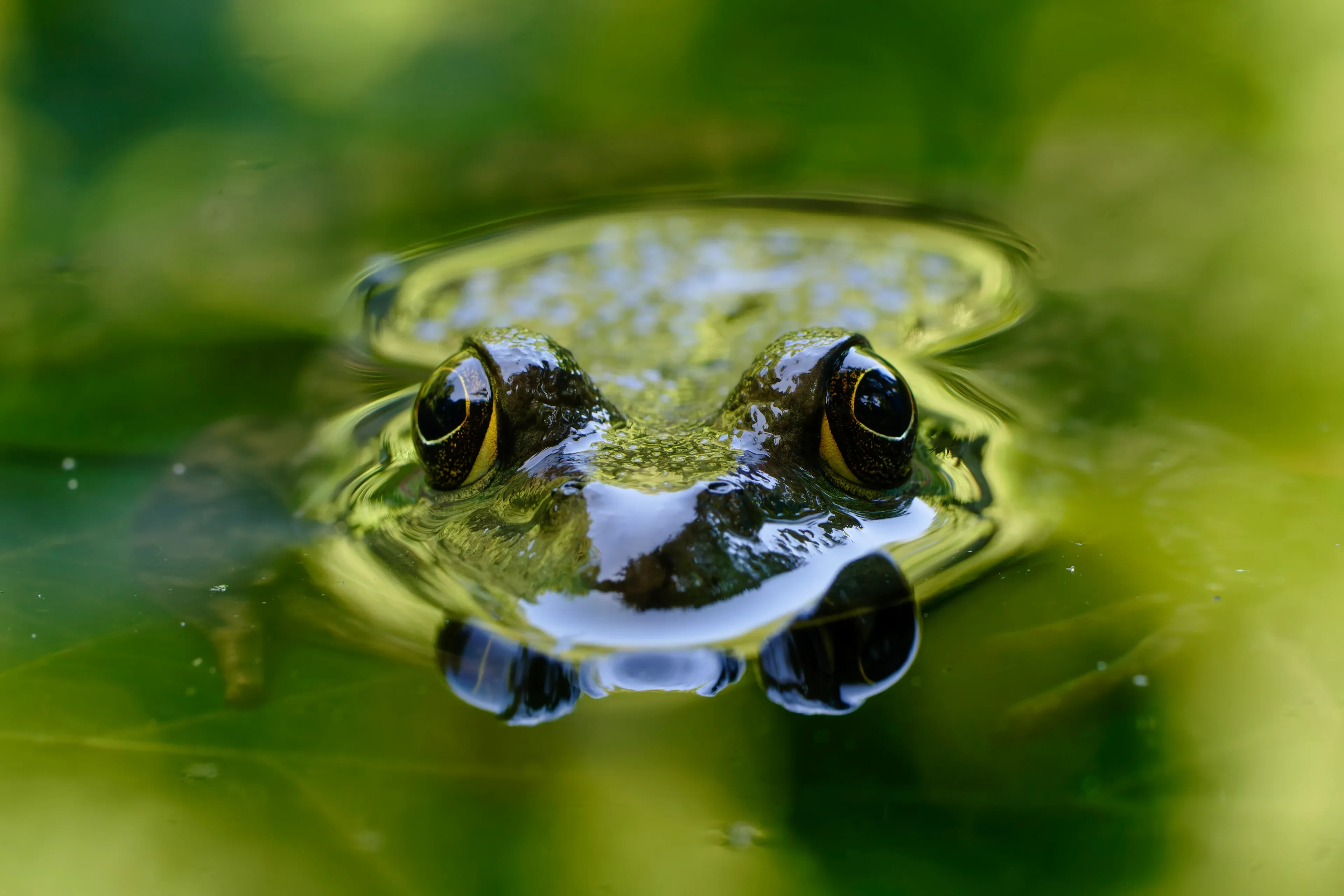 Real photograph
 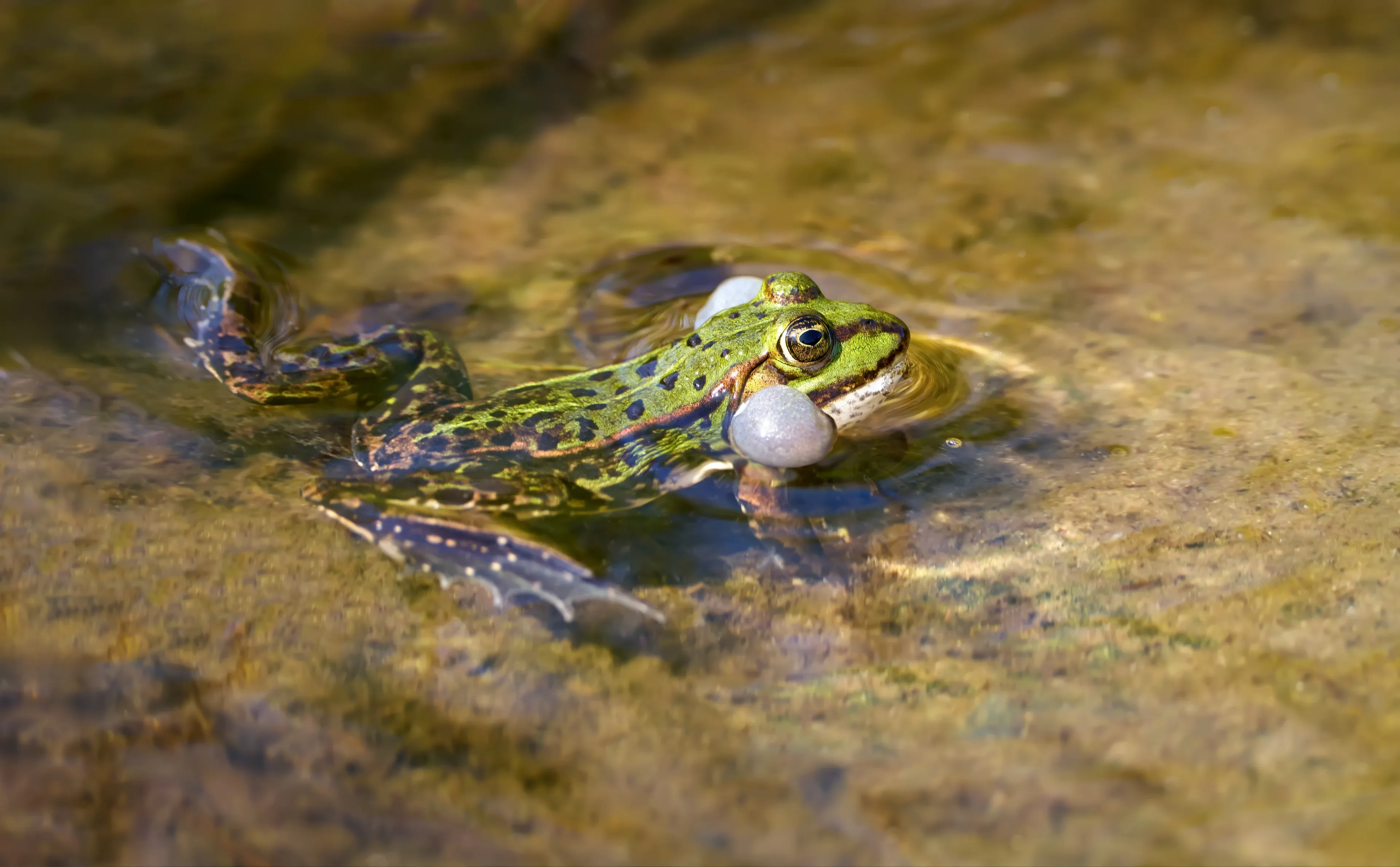 Real photograph
 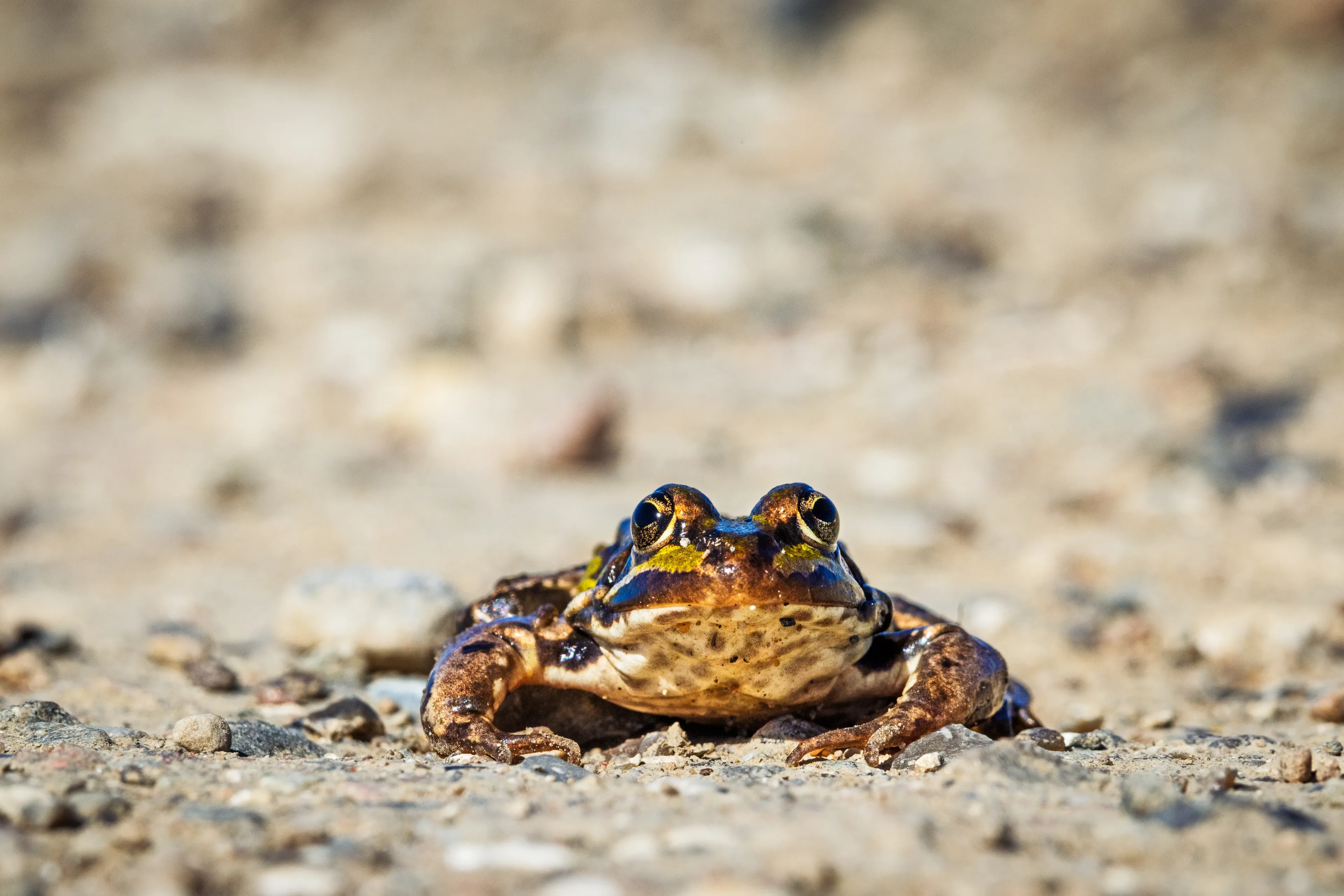 Real photograph
 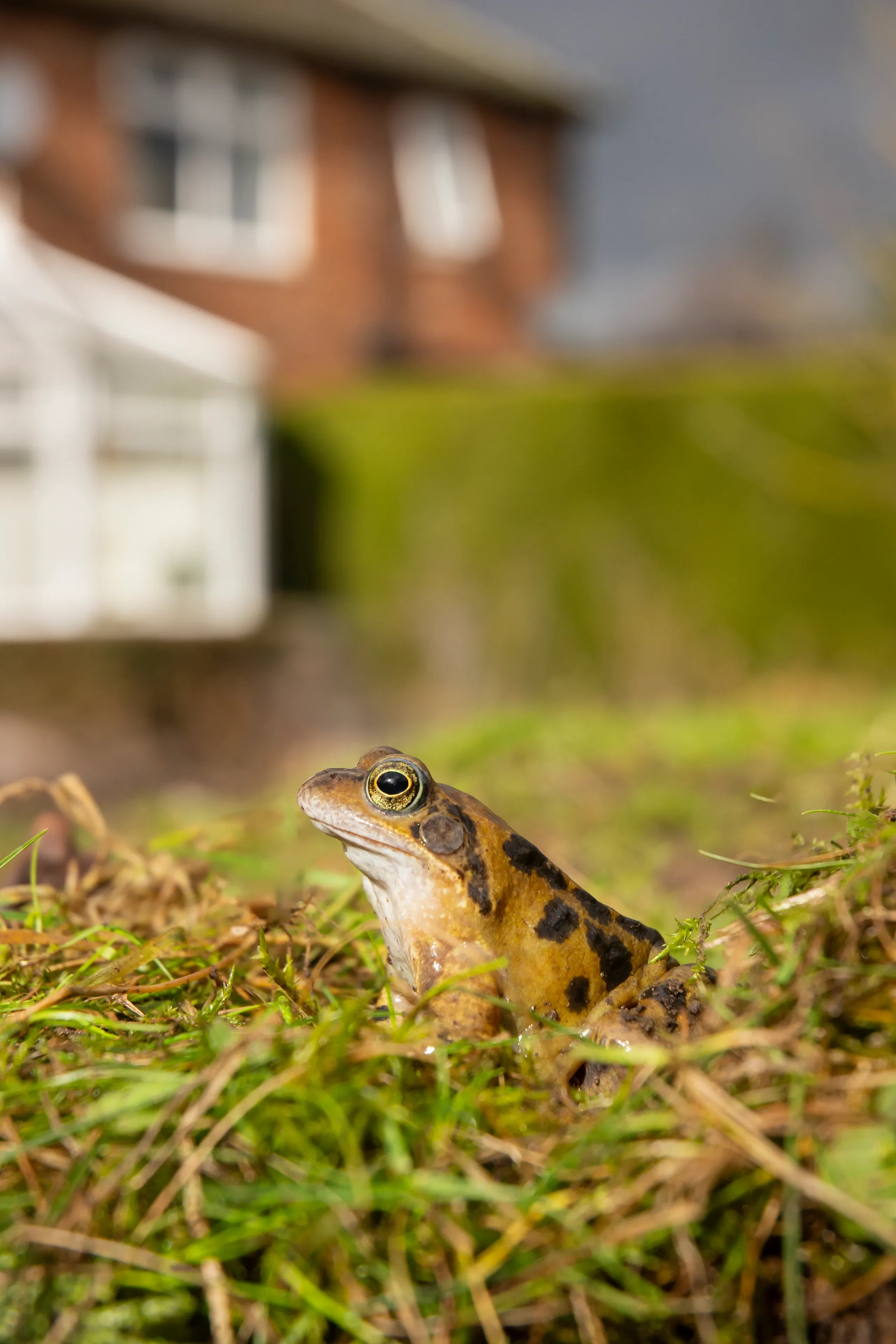 Real photograph
  Real photograph
 Why we love them
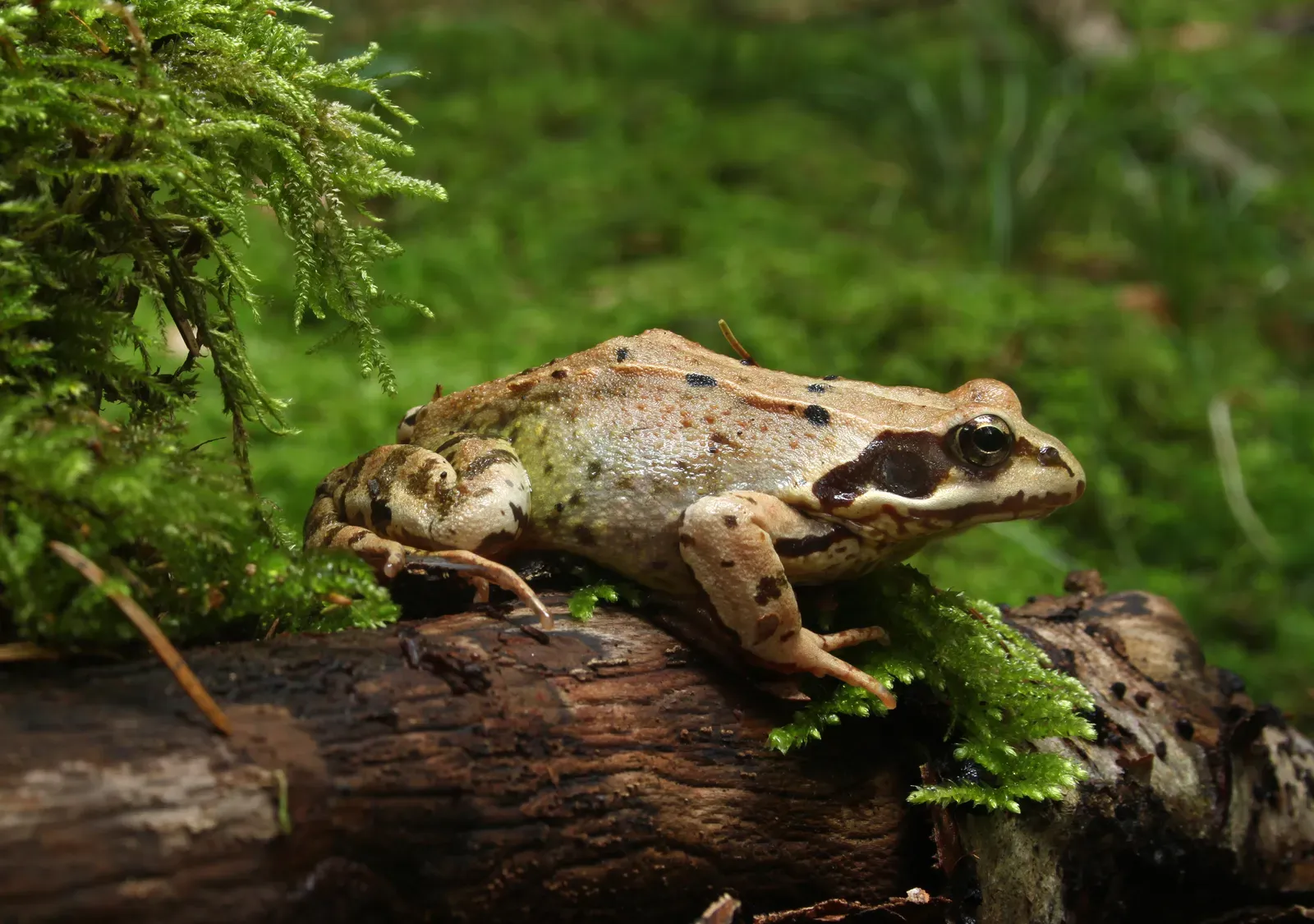
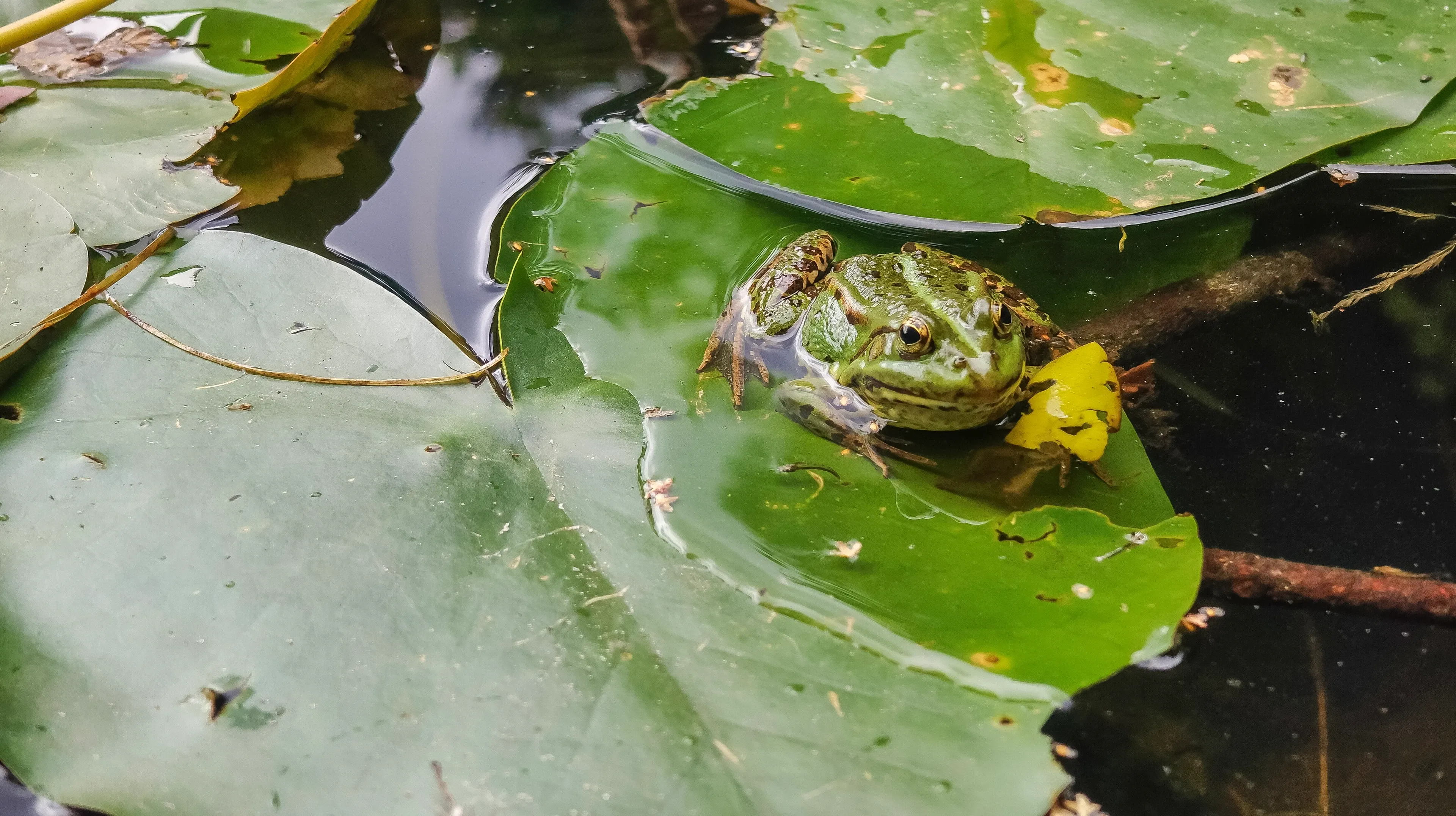
The common frog is a small, smooth-skinned amphibian found across much of Europe. Its back can be olive green, brown, grey, or yellowish, and it grows to about 6 to 9 centimetres long. You might meet one near a pond, in a marsh, in damp grass, or even hopping around a garden on a rainy evening.
One of this frog's neatest tricks is that it can change how light or dark its skin looks. By turning a little paler or a little darker, the common frog can blend in with the mud, leaves, and plants around it. This clever camouflage helps it stay hidden and safe from birds and other animals that might be hunting for a snack.
Common frogs are amazingly tough in the cold. When winter arrives they rest through the chilliest months, and in the far north of their range a frog can spend up to nine months trapped beneath the ice. Even then it does not freeze solid — it can stay alive and slowly moving at temperatures very close to freezing.
Grown-up common frogs are carnivores, which means they eat other little creatures. They wait quietly and then snap up insects, spiders, slugs, snails, and worms. As a frog grows bigger, it can catch bigger prey, so the largest frogs enjoy the widest choice of wriggly meals.
Every frog begins life as a tiny tadpole. At first the tadpoles nibble mostly algae and soft plants, but once their back legs grow they become hungry little carnivores too. The common frog is listed as Least Concern, so it is still widespread. We can help by keeping ponds clean and safe, since healthy ponds and gardens give these gentle frogs the perfect place to grow up.
My home
Ponds, marshes, damp grassland, gardens, woodland
Where I live
Europe
What I eat
Insects, slugs, snails, spiders, worms
How long I am
0.06–0.09 m
How heavy I am
0.023 kg
The common frog can make its skin lighter or darker to match the ground and plants around it, which helps it hide from animals that might want to eat it.
In the very cold north, a common frog can spend up to nine months trapped under ice, and it can stay alive even at temperatures close to freezing.
Baby common frogs, called tadpoles, mostly eat algae and plants at first, but once their back legs grow they turn into carnivores that catch insects, slugs, snails, and worms.
Every common frog can feel happy, scared and loved — just like you.
Looking after my friends
How many are there?
One clump of common-frog spawn contains about 400 eggs.
This is an egg count from one spawning, not a count of adult frogs.
Estimate source: Rana temporaria
How are they doing?
Lower extinction riskThis species has a lower global extinction risk right now. Local populations can still grow or shrink.
You can help by learning their names, keeping wild places clean, and telling someone why this animal matters.
Where this came from
- Rana temporaria (Common Frog) — Red List Assessment — IUCN Red List of Threatened Species
- Rana temporaria — Animal Diversity Web, University of Michigan Museum of Zoology
- Common frog — Wikipedia