 ← All animals
 fish · Lates calcarifer
Barramundi
Gallery
3 photos Real photograph 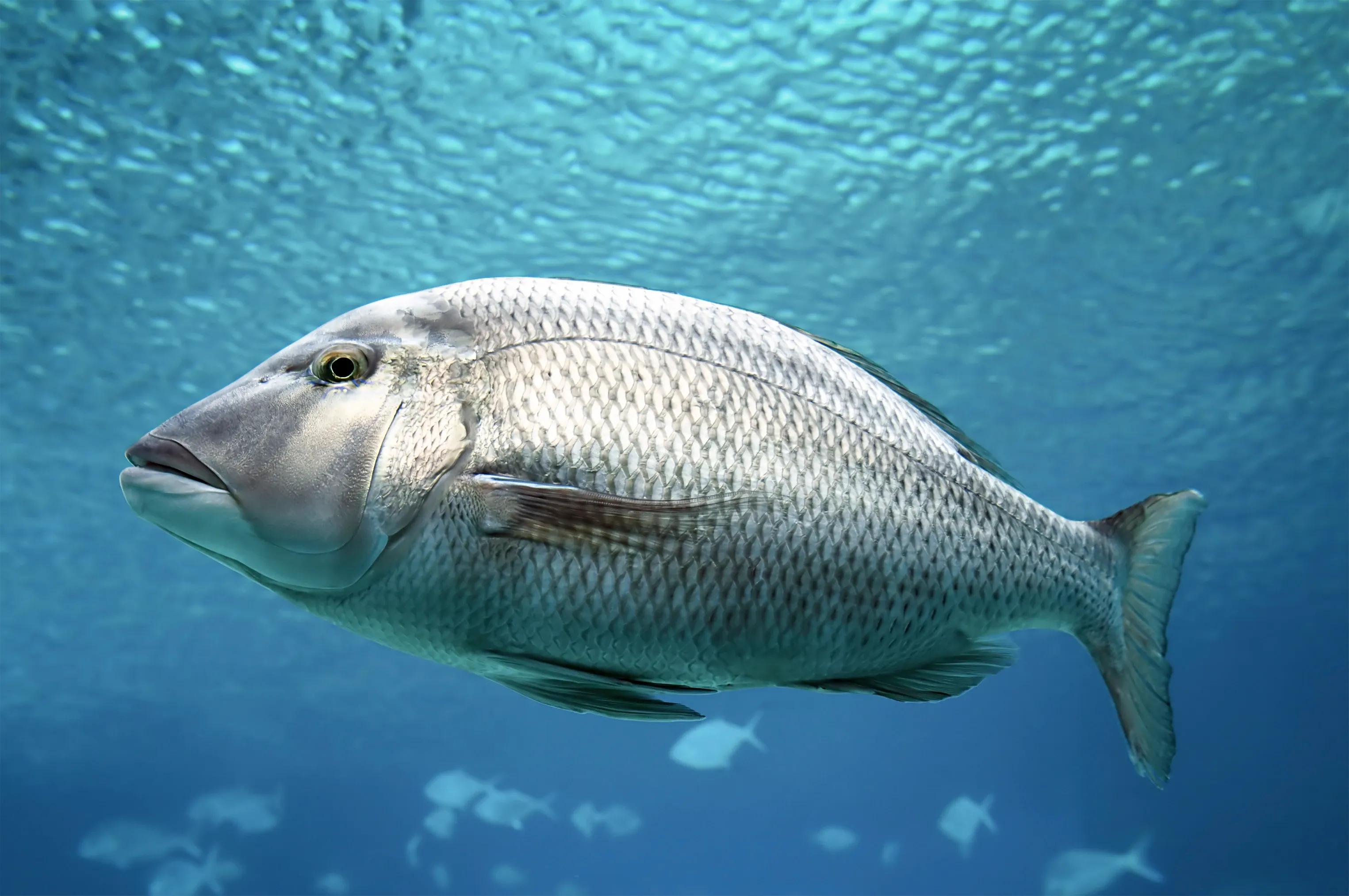 Real photograph
  Real photograph
 Why we love them
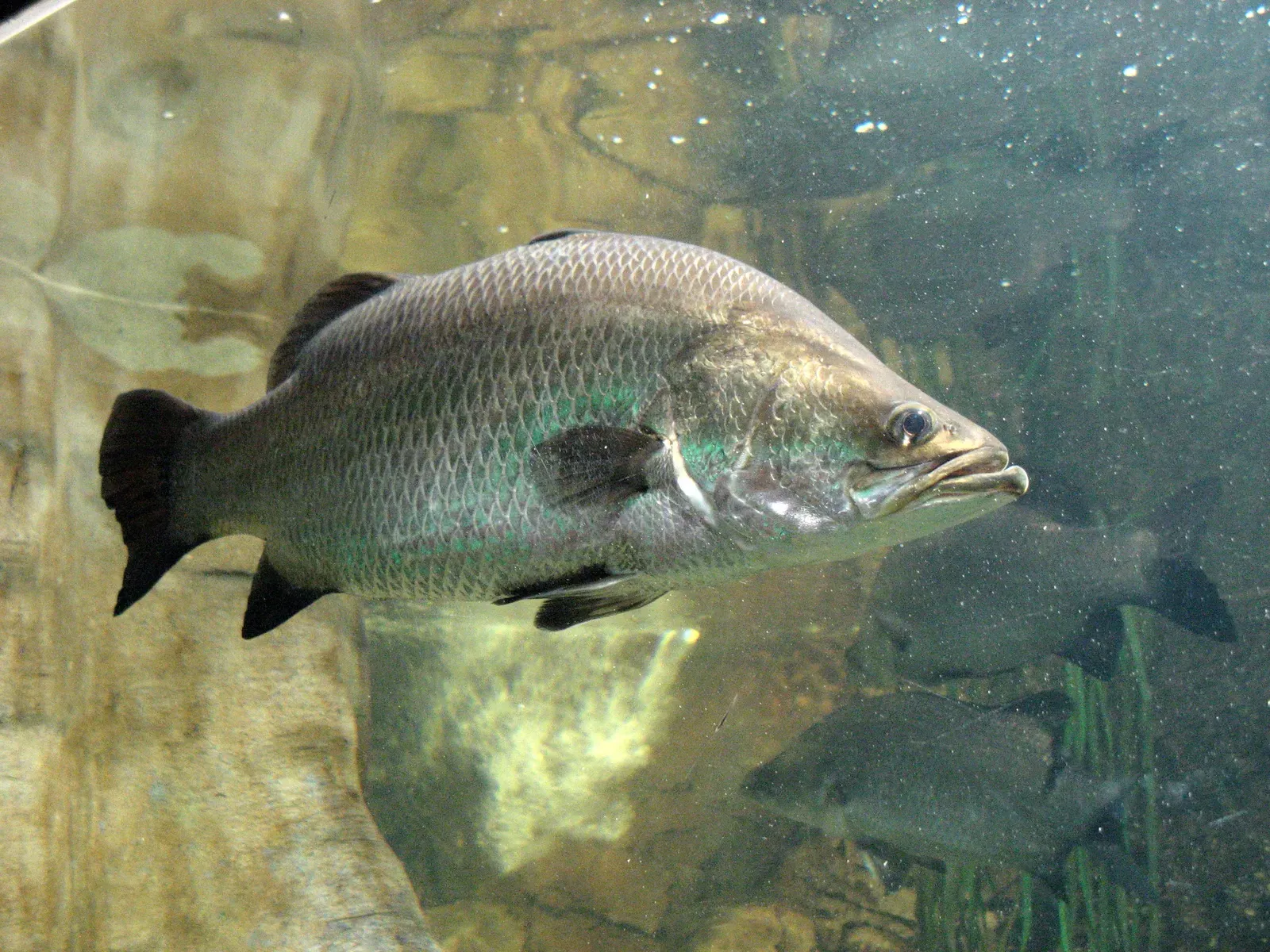
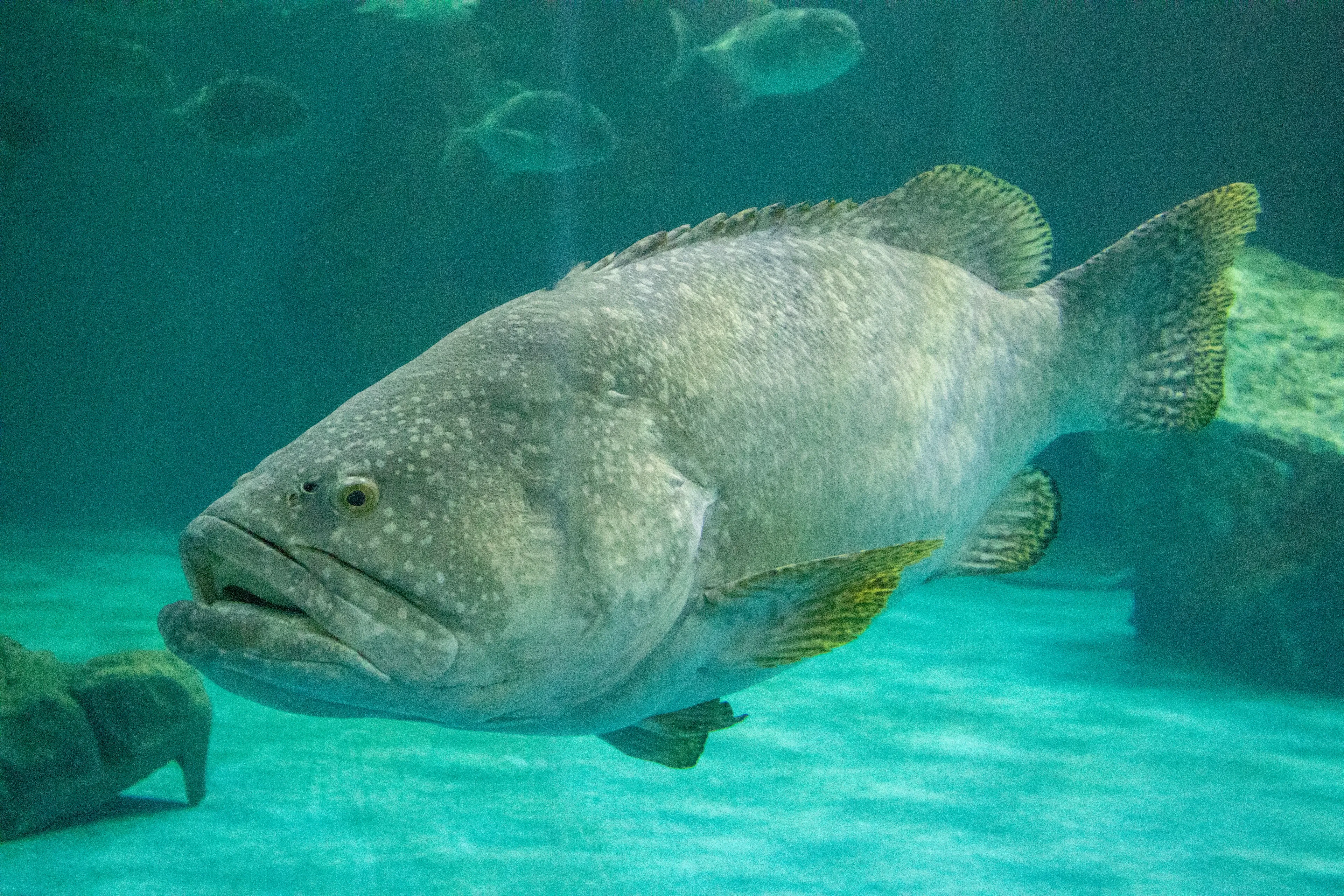
The barramundi is a big, silvery fish with large, shiny scales and a wide mouth. People also call it the Asian sea bass. It lives across the warm Indo-Pacific, from the Middle East all the way to the rivers and coasts of Southeast Asia and northern Australia. With its long, strong body, the barramundi is a graceful swimmer in both rivers and the sea.
One of the most interesting things about barramundi is that they are travellers between two kinds of water. They spend much of their lives in freshwater rivers, but when it is time to breed they swim down to the river mouths and estuaries where the water turns salty. Being comfortable in both fresh and salty water is a special skill that not many fish share.
Barramundi also have a remarkable life story. Most of them begin life as males, and then, as they grow older, they slowly change into females — usually somewhere between about three and eight years of age. So a single barramundi may live part of its life as a father and later become a mother.
These fish are carnivores, which means they eat other animals. Grown-up barramundi hunt smaller fish, along with crustaceans like prawns and crabs, and shelled creatures called molluscs. When they are young, they start out by eating tiny drifting animals called zooplankton before moving on to bigger meals as they grow.
Barramundi can grow surprisingly large — up to around 1.8 metres long — although most that people meet are a good deal smaller. They are listed as Least Concern globally, but that does not mean every local population is equally healthy. Looking after connected rivers, wetlands, mangroves, and estuaries helps these fish keep moving between the fresh water and the sea they both call home.
My home
River, estuary, coastal water, lagoon
Where I live
Asia, Oceania, Pacific Ocean, Indian Ocean
What I eat
Smaller fish, crustaceans, molluscs, zooplankton
How long I am
0.6–1.8 m
How heavy I am
60 kg
Barramundi are travellers — they live in rivers but swim down to river mouths and the sea to breed, so they are at home in both fresh water and salty water.
Most barramundi begin life as males and later change into females as they grow older, usually somewhere between about three and eight years of age.
A barramundi can grow very big, up to around 1.8 metres long, though most of the ones people see are between about 0.6 and 1.2 metres.
Every barramundi can feel happy, scared and loved — just like you.
Looking after my friends
How many are there?
One 22-kilogram female barramundi was found to carry about 17 million eggs.
This is one large female's egg count, not a population estimate.
Estimate source: Lates calcarifer
How are they doing?
Lower extinction riskThis species has a lower global extinction risk right now. Local populations can still grow or shrink.
You can help by learning their names, keeping wild places clean, and telling someone why this animal matters.
Where this came from
- Lates calcarifer (Barramundi) — Red List Assessment — IUCN Red List of Threatened Species
- Lates calcarifer (Asian seabass) — Animal Diversity Web, University of Michigan Museum of Zoology
- Barramundi — Wikipedia
- Lates calcarifer — Fishes of Australia, Museums Victoria