 ← All animals
 reptile · Alligator mississippiensis
Alligator
Gallery
4 photos Real photograph 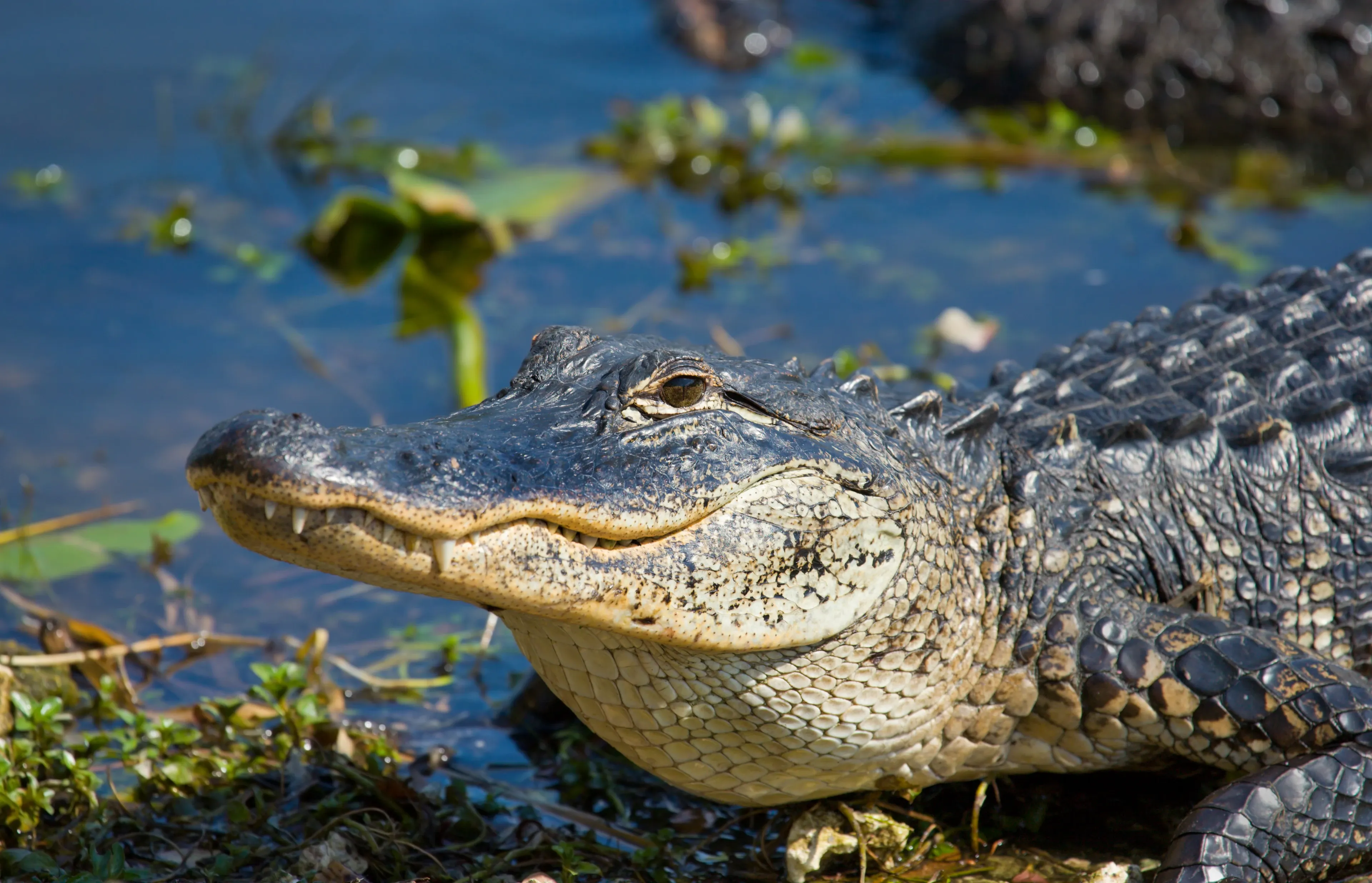 Real photograph
  Real photograph
  Real photograph
 Why we love them
The American alligator is a large, powerful reptile that lives in the warm, watery places of the southeastern United States. You can find them in swamps, marshes, rivers, ponds, and lakes, especially in states like Florida and Louisiana. They are the biggest reptiles in the whole country.
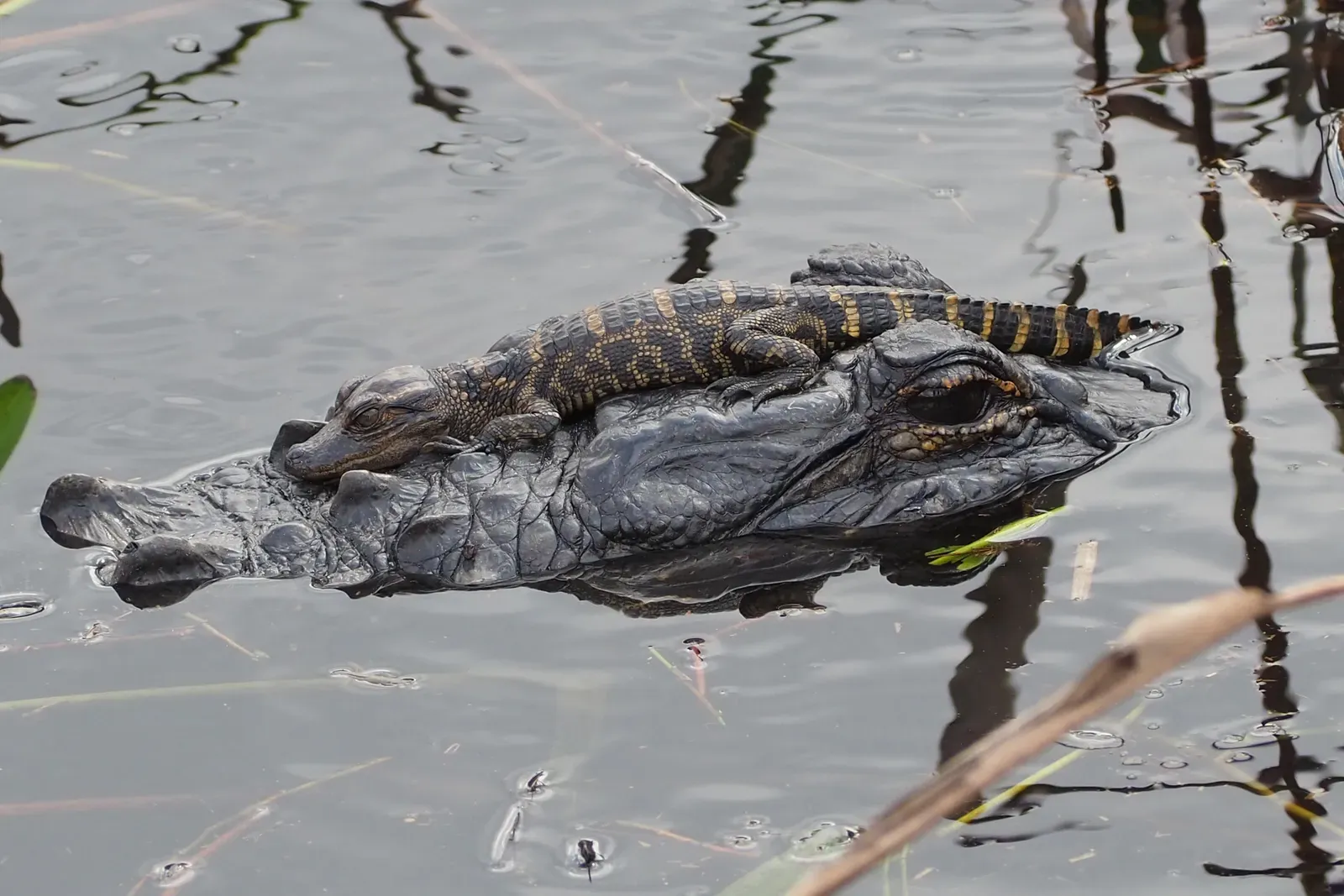
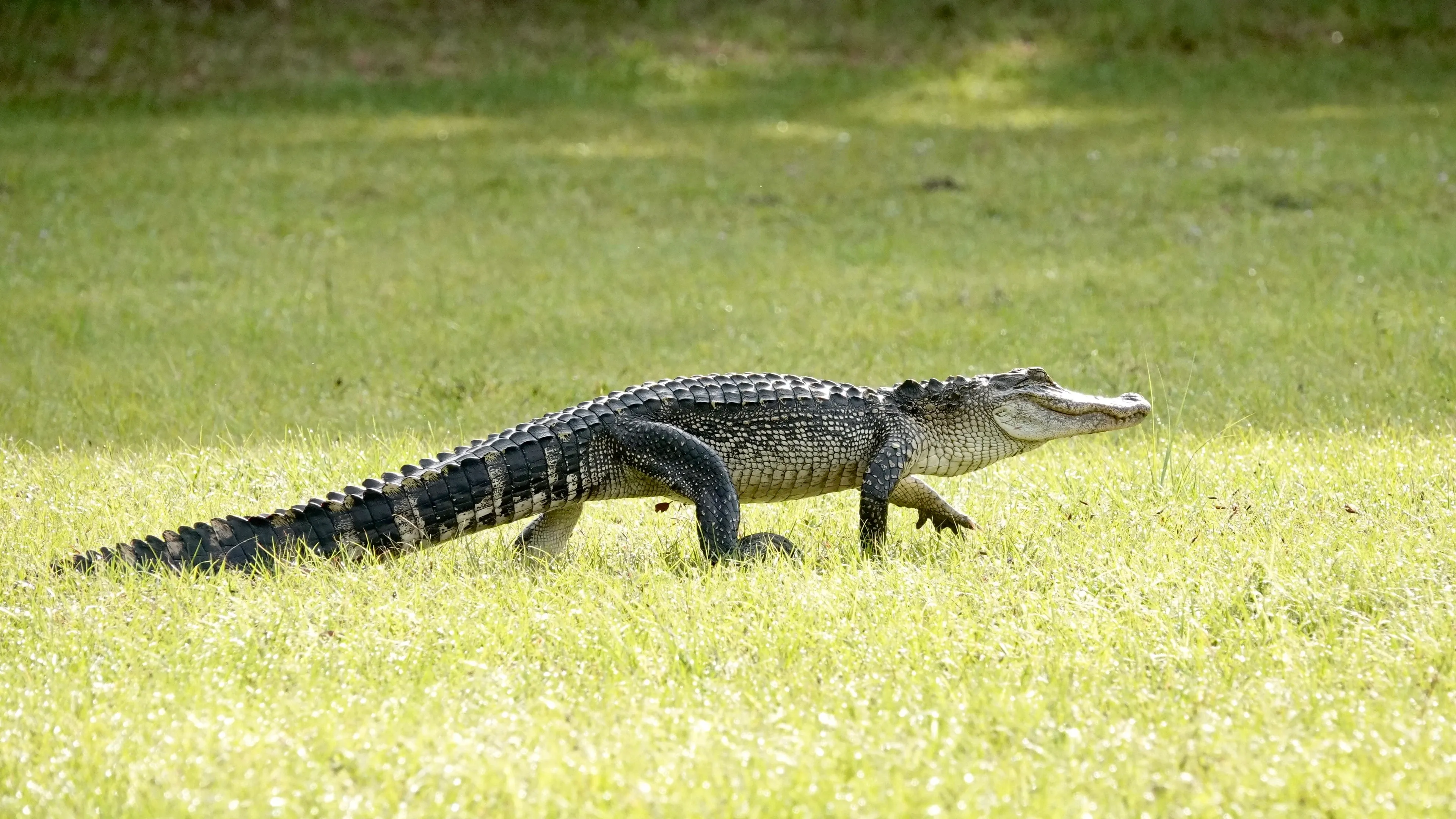
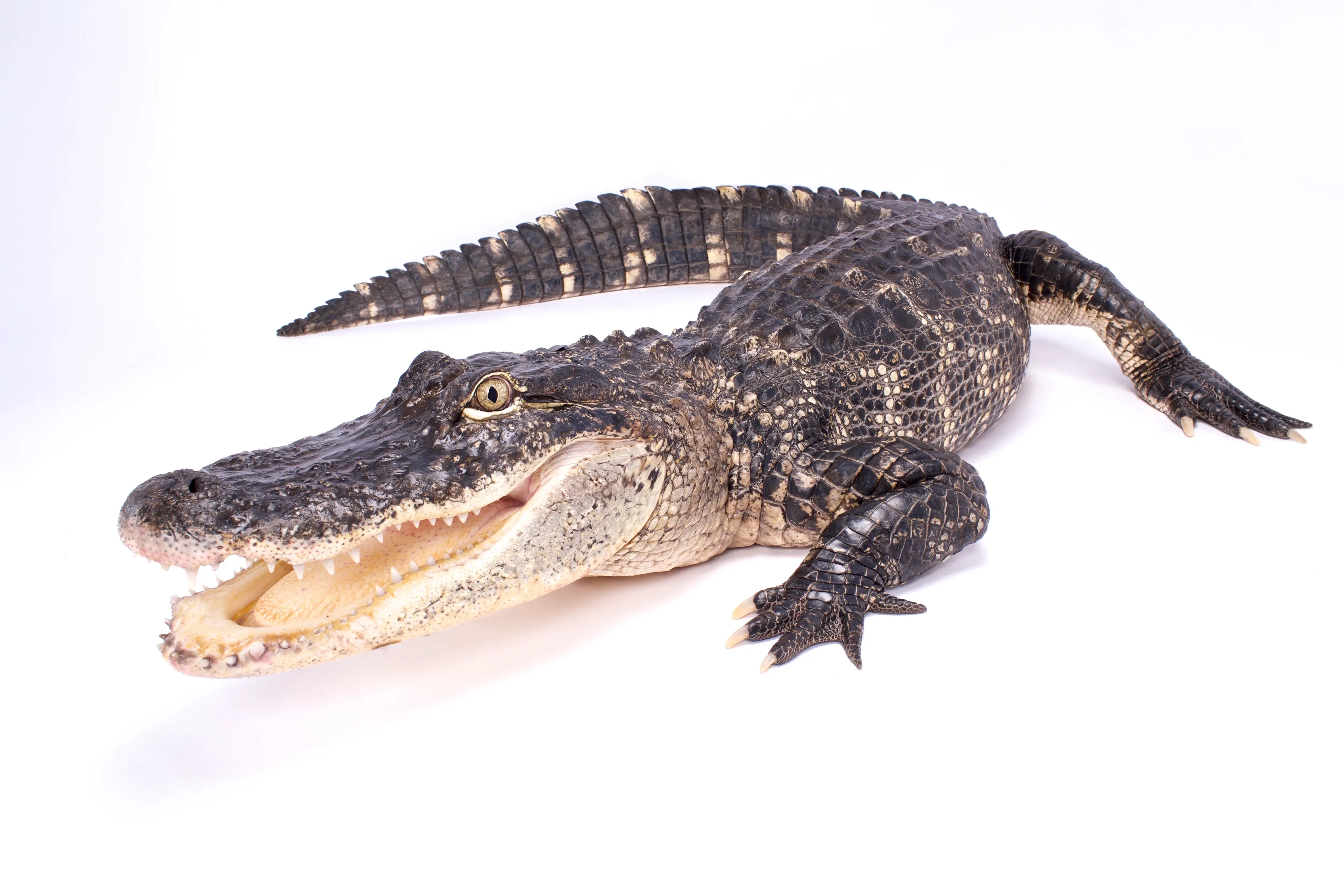
Alligators have a wide, rounded snout, a long muscular tail, and thick, armoured skin. As babies they are black with bright yellow stripes, which help them hide, and as they grow up the stripes fade to a dark olive-black. Their tail makes up about half of their whole length and pushes them smoothly through the water.
One of the most helpful things an alligator does is dig a "gator hole." Using its snout and tail, it scoops out a muddy pool that stays full of water even when the weather turns dry. Fish, turtles, birds, and other animals all gather at these pools, so scientists call the alligator a keystone species, meaning many other creatures depend on the work it does.
Alligators are patient hunters that eat whatever they can find in and around the water, such as fish, turtles, birds, snakes, and small mammals. Baby alligators start with tiny meals like insects and snails. Most of the time alligators like peace and quiet, and they usually keep their distance from people.
The story of the American alligator is a happy one. Long ago there were so few left that people worried they might disappear forever, and in 1967 they were listed as endangered. Thanks to new laws that protected them and their wetlands, alligators bounced back in a big way. Today the IUCN lists them as least concern, which makes them one of nature's great comeback stories.
My home
Wetlands, swamp, marsh, river, lake
Where I live
North America
What I eat
Fish, turtles, birds, snakes, frogs, small mammals, snails and insects when young
How long I am
2.5–4.4 m
How heavy I am
400 kg
How long I live
30–50 years
American alligators are the largest reptile in the United States, and a big male can grow around three and a half metres long, with the biggest one ever found nearly four and a half metres.
Alligators are clever engineers that dig muddy "gator holes," which hold water through dry spells and give fish, turtles, and birds a place to live.
Alligators were once very rare, but after people made laws to protect them they made an amazing comeback and are common again today.
Every alligator can feel happy, scared and loved — just like you.
Looking after my friends
How many are there?
Nearly 5 million American alligators live across the southeastern United States.
This is a current U.S. Fish and Wildlife Service range-wide estimate, not an exact census.
Estimate source: Celebrating the American Alligator
How are they doing?
Lower extinction riskThis species has a lower global extinction risk right now. Local populations can still grow or shrink.
You can help by learning their names, keeping wild places clean, and telling someone why this animal matters.
Where this came from
- Alligator mississippiensis (American Alligator) — Red List Assessment — IUCN Red List of Threatened Species
- Alligator mississippiensis (American alligator) — Animal Diversity Web, University of Michigan Museum of Zoology
- American alligator — Wikipedia
- Celebrating the American Alligator — U.S. Fish and Wildlife Service